



Vintage Lakai Rug
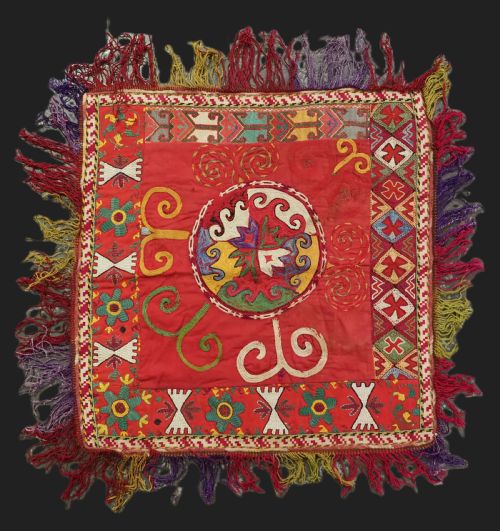
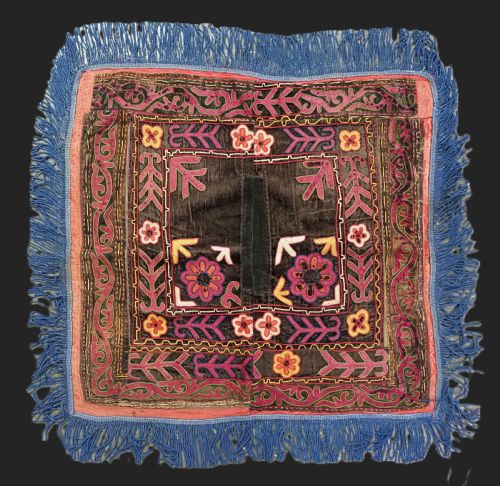
These vintage lakai rug pieces are Central Asian tribal textiles and wall hangings made for nomadic life and dowries, prized for rich embroidery.
Vintage Lakai Rug
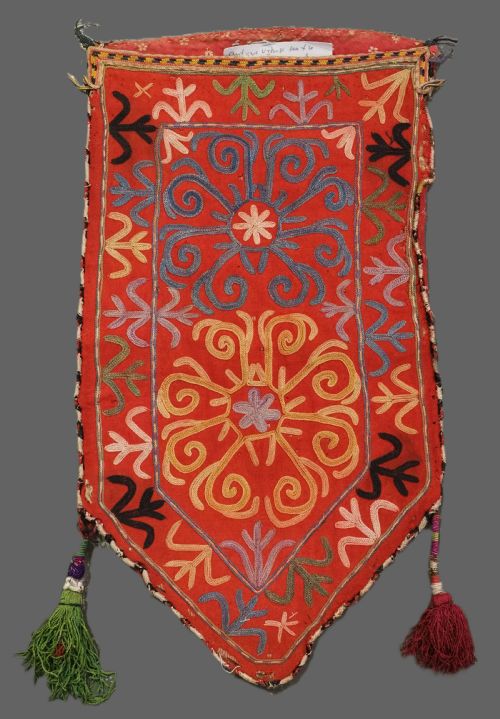
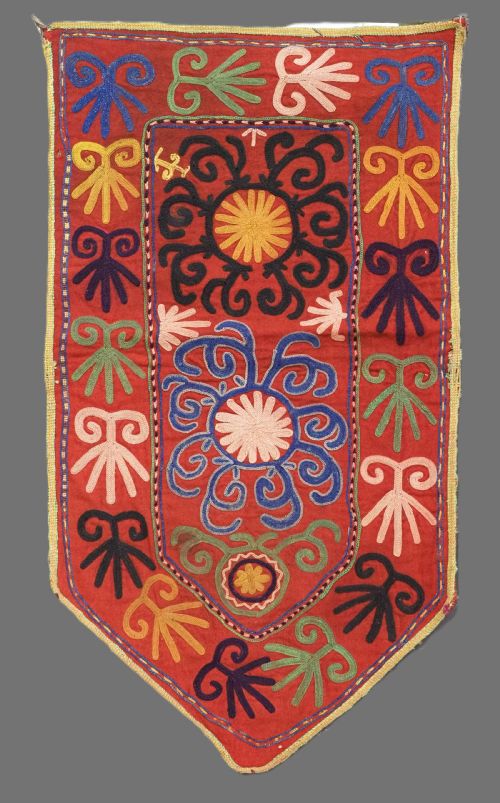
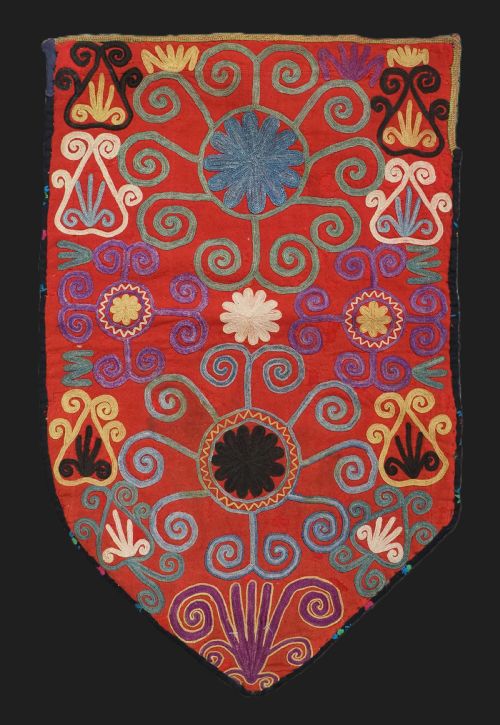
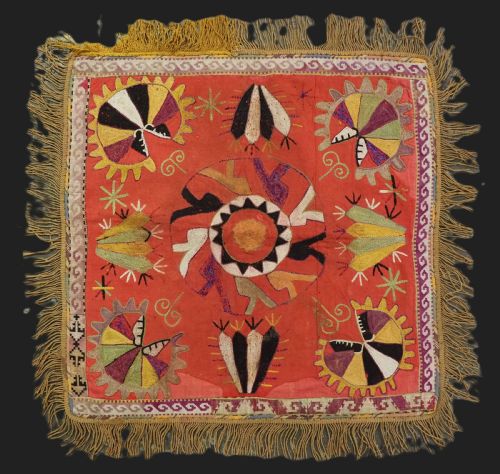
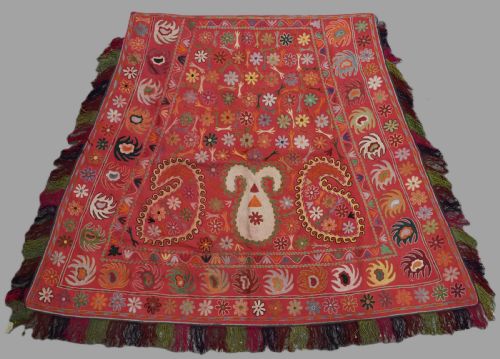
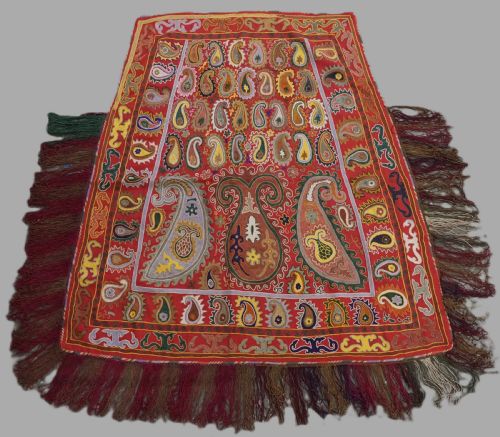
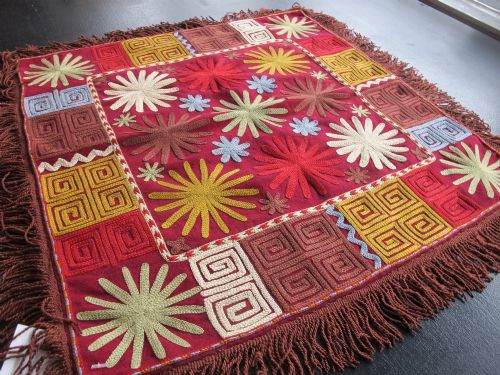
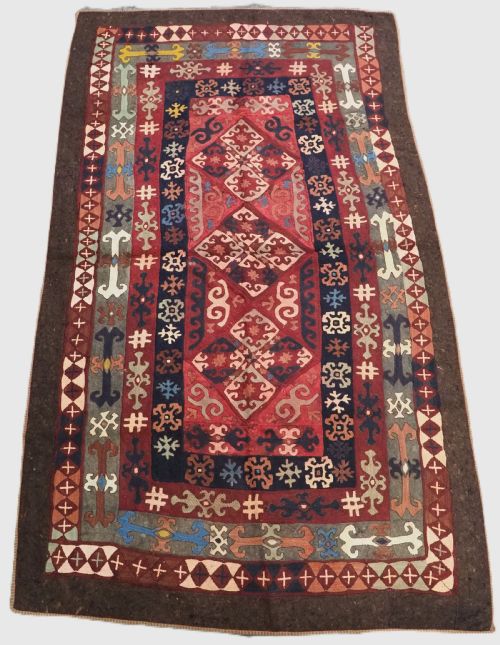
When you search for a vintage lakai rug, you encounter Central Asian tribal textiles originating from the Uzbek Lakai tribe in regions such as Shakrisabz and broader Uzbekistan. These pieces take the form of wall hangings, dowry embroideries known as ilgich, ceremonial horse covers, saddle rugs, uut kap bag faces, and nim suzanis.
The objects stem predominantly from periods around eighteen eighty to nineteen thirty. The most frequent examples on this page are antique dowry embroideries and ceremonial horse covers worked with distinctive tribal motifs.
Materials and construction
The construction relies heavily on organic textile foundations including wool, cotton, felt, and velvet grounds. Artisans then applied dense silk embroidery thread to build up the intricate patterns across the surface.
Techniques combine flat woven or felted bases with surface needlework executed in bold geometric and curvilinear designs. Double faced pieces and panels worked on red wool or green silk grounds demonstrate specialised regional stitching methods.
Vintage Lakai Rug Retail Price Guide 2026
Typical asking prices for vintage lakai rug among the pieces listed under this phrase on Sellingantiques today, from the lower quarter to the upper quarter. They describe what is for sale here now, not the wider market.
Many of these vibrant textiles spent their early days draped over the backs of horses before finding their way onto modern walls.
Variations in quality
Quality rests upon the density of the silk embroidery and the clarity of the tribal design work across the ground material. Finer needlework and more complex compositional layouts distinguish the superior examples from simpler utilitarian covers.
The condition of the wool, felt, or cotton ground and the preservation of the original silk threads influence the overall integrity of the piece. Strong colour retention within the embroidered motifs elevates the visual impact of the textile.
The Vintage Lakai Rug Glossary
- Ilgich
- A Central Asian embroidered wall hanging or dowry textile created by tribal makers. These pieces were traditionally prepared as part of a bride's dowry.
- Uut kap
- A tribal storage bag face utilised for household organisation within nomadic dwellings. They share the characteristic silk embroidery of the region.
- Nim suzani
- A half-scale embroidered wall hanging or cover produced in Central Asia. The term denotes a smaller format than a full ceremonial suzani.
- Suzani
- An embroidered textile panel from Central Asia typically worked in silk on a cotton or wool ground. They functioned as wall decorations and ceremonial covers.
Vintage Lakai Rug: Frequently Asked Questions
What is a lakai rug?
A vintage lakai rug is actually a textile, wall hanging, or horse cover created by the Uzbek Lakai tribe in Central Asia. They are embroidered textiles featuring silk needlework on wool, cotton, or felt.
These pieces were made around eighteen eighty to nineteen thirty for tribal dowries and ceremonial use rather than standard floor use.
How were these textiles used?
Nomadic makers used these embroidered panels as wall hangings, dowry decorations, and ceremonial horse covers. They decorated living spaces and marked important cultural events.
Items like the ilgich and uut kap served both decorative and functional roles within traditional Central Asian households.
How do I hang a textile?
These wall hangings require careful mounting to support the weight of the wool, cotton, and silk construction without damaging the fabric. Conservation framing or a sleeve attachment method distributes the tension evenly.
Keep the textile away from direct sunlight to protect the silk embroidery threads from fading over time.
How do I date a piece?
Dating relies on examining the materials, dye types, and traditional tribal design patterns recorded in pieces from eighteen eighty through nineteen thirty. Natural wear on the wool and silk ground also provides clues to age.
Comparing the specific embroidery style to documented examples helps narrow down the period of origin.