



Vintage Kitchenalia
These pieces of vintage kitchenalia comprise the utilitarian and decorative implements of past domestic life.
Vintage Kitchenalia
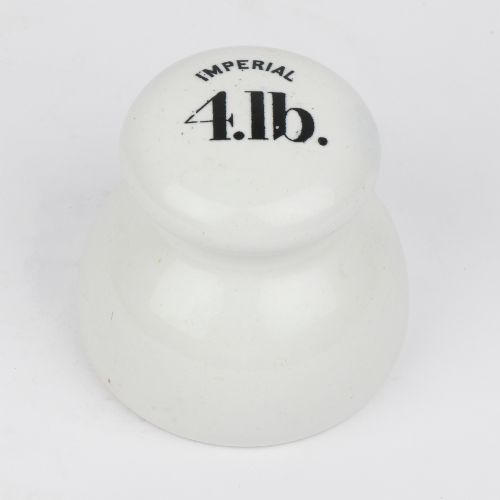
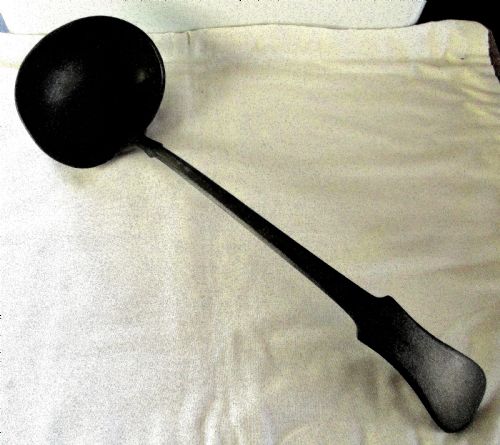
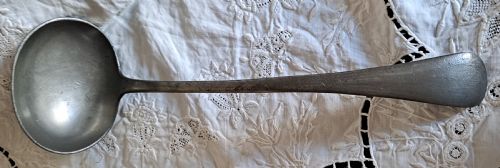
When you search for vintage kitchenalia, you encounter the workaday vessels and implements used in domestic food preparation across the nineteenth century and earlier. The selection centres on copper preserve pans, earthenware jelly moulds, turned wood spice grinders, and pewter ladles from Victorian and Georgian periods.
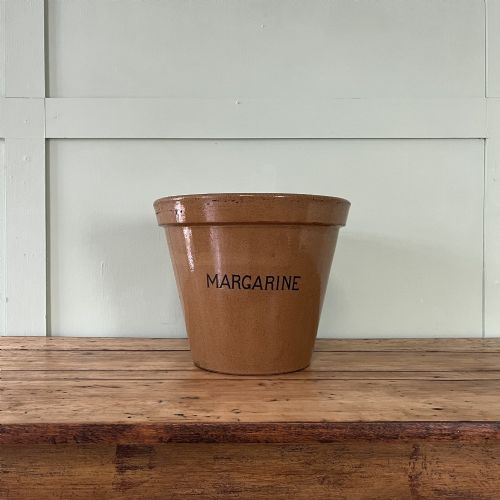
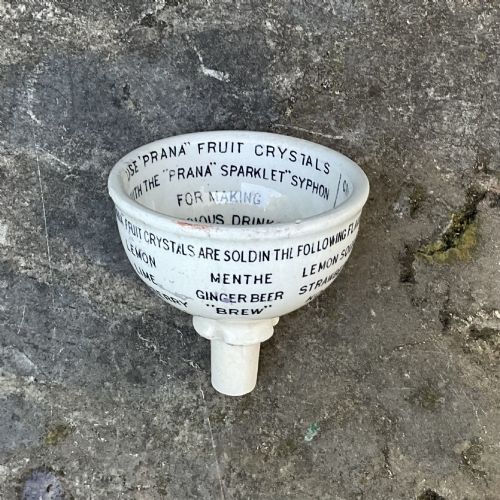
Most items reflect domestic practicality, though some pieces, such as stoneware margarine bowls and advertising funnels, point towards trade and shop use. The physical forms range from large preserving pans with brass handles down to pocket nutmeg graters carved from hardwood.
How they were made
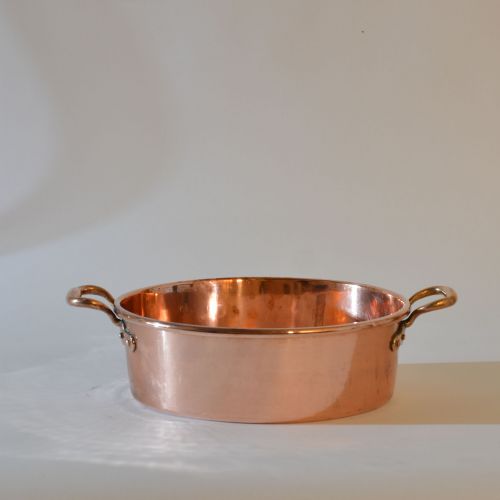
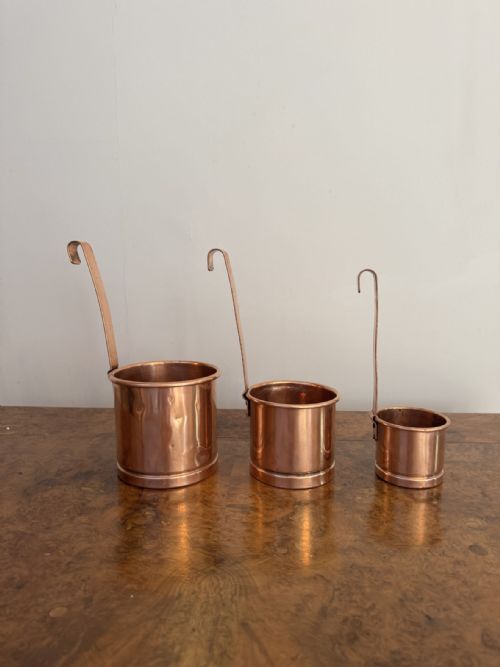
Makers utilised heavy gauge copper for heat distribution in preserve pans and saucepans, frequently lining the interiors with tin for food safety. Earthenware and stoneware vessels, including salt boxes and confit pots, relied on fired clay bodies finished with glazes.
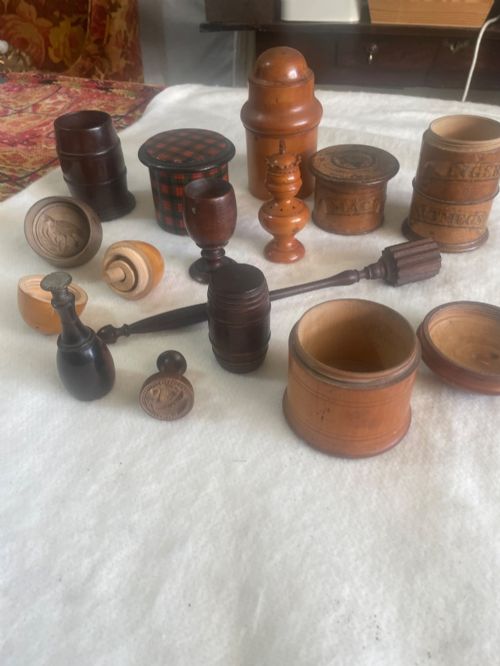
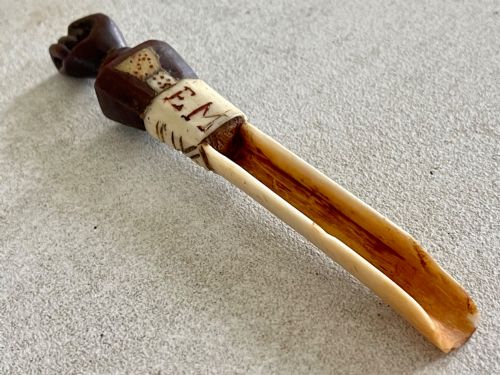
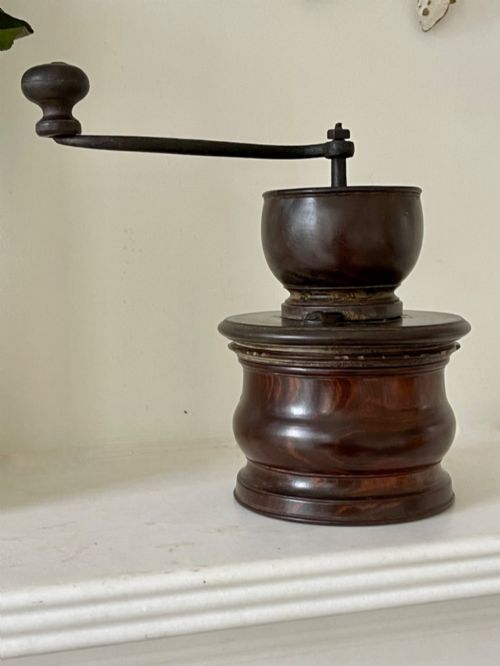
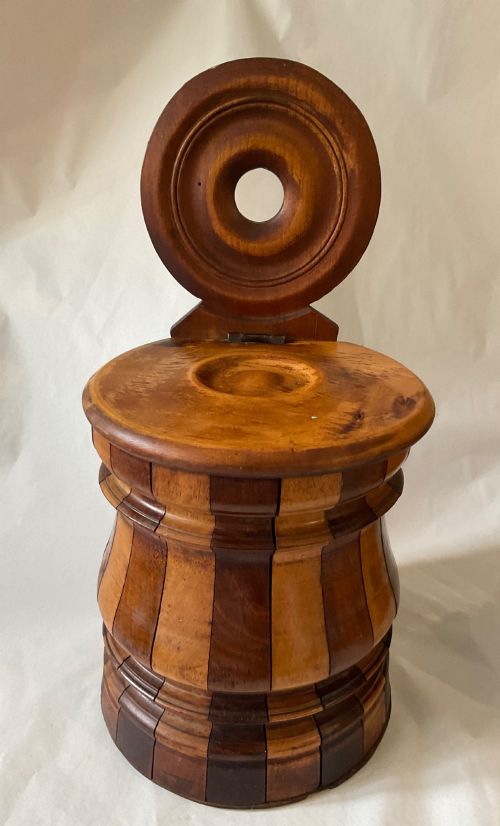
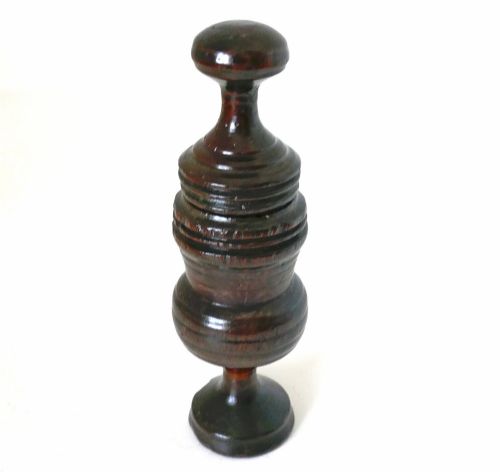
Woodworking techniques involved turning sycamore, olive wood, and pine on a lathe to create treen spice towers, lemon squeezers, and butter prints, while others employed hand carving for items like nut crackers.
Vintage Kitchenalia Retail Price Guide 2026
Typical asking prices for vintage kitchenalia among the pieces listed under this phrase on Sellingantiques today, from the lower quarter to the upper quarter. They describe what is for sale here now, not the wider market.
What varies in quality
Quality depends upon the crispness of moulding in ceramic jelly moulds and the depth of carved detail in treen spice towers and nut crackers. Thick gauge copper pans with dovetailed seams and robust brass handles represent superior domestic utility compared to thinner metal alternatives.
Maker signatures on pewter ladles or established pottery marks on earthenware bowls elevate the standing of a piece within its category.
John Yates·Dixon & Son·Wedgwood·Copeland·Plichta Pottery
The Vintage Kitchenalia Glossary
- Kitchenalia
- Utilitarian domestic objects connected to the kitchen and food preparation. These items span various centuries and materials.
- Treen
- Small handmade wooden domestic objects. Sycamore and hardwood were frequently utilised for these turned items.
- Confit pot
- A glazed earthenware vessel used in France for storing preserved meats. They typically feature regional ceramic glazes.
- Jelly mould
- A ceramic or copper form used to shape aspics and jellies. Examples display geometric, floral, or animal designs.
Vintage Kitchenalia: Frequently Asked Questions
What is vintage kitchenalia?
Vintage kitchenalia encompasses historical tools, vessels, and equipment once used in food preparation and storage. These objects combine practical domestic utility with the design sensibilities of their period of manufacture.
The materials span copper, earthenware, wood, brass, and tin, reflecting the manufacturing capabilities of the nineteenth century and earlier.
How were copper pans used?
Copper pans served primarily for preserving fruit, boiling jams, and general kitchen cooking. Their thermal conductivity made them suitable for temperature control.
Many bear sturdy brass handles and tin linings to prevent copper interaction with acidic foods during the preserving process.
How do I care for treen?
Treen items require gentle cleaning with dry or slightly damp cloths to preserve the wooden surface. Avoid soaking items made from sycamore or olive wood in water.
Applying occasional light mineral oil helps maintain the natural grain and prevents the wood from drying out.
What are jelly moulds made from?
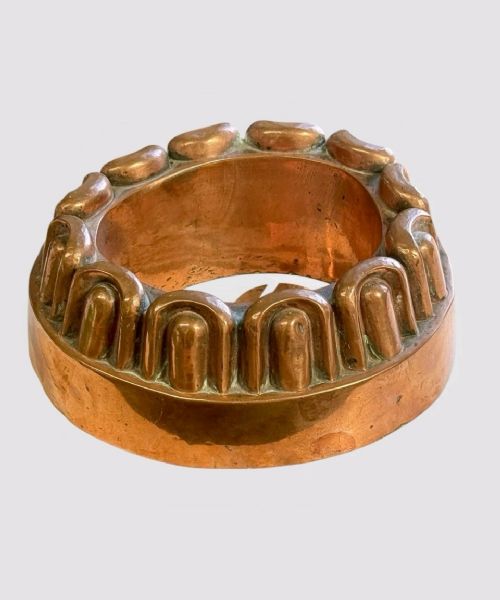
Jelly moulds appear in glazed earthenware, stoneware, and copper. Staffordshire potteries and firms like Wedgwood produced ceramic versions with detailed internal designs.
Copper moulds were often tin-lined and used heat conduction to set gelatinous dishes quickly before turning them out.