

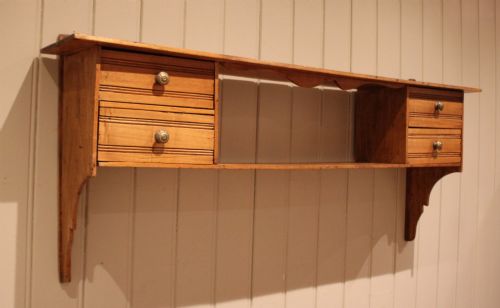



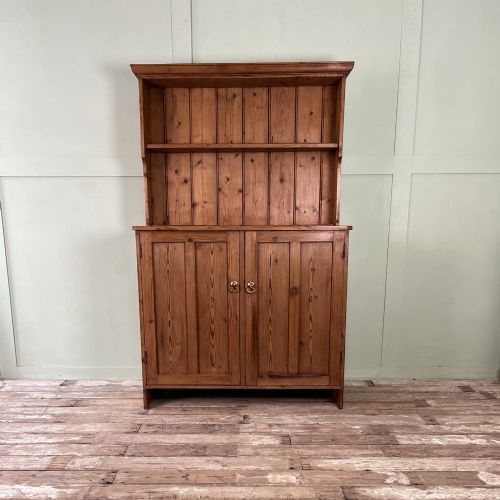
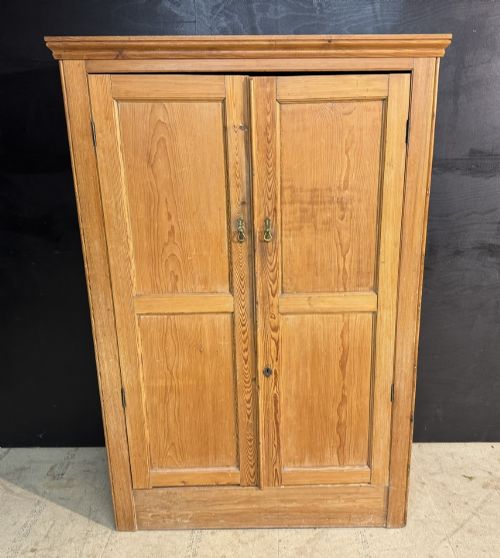
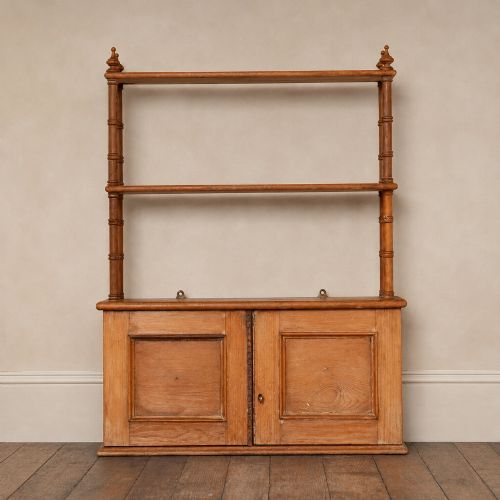
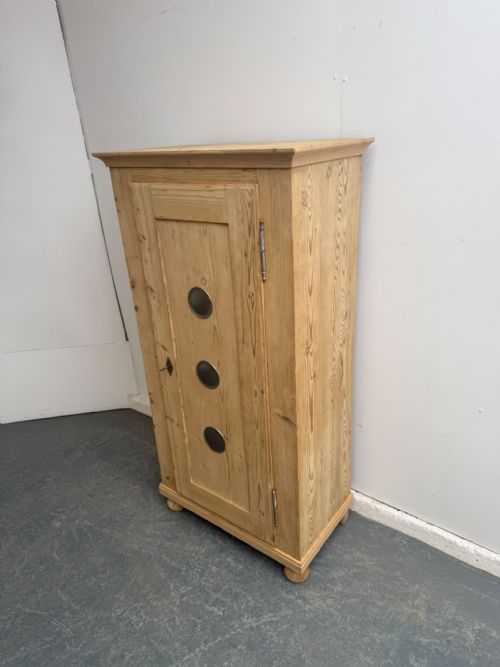


Vintage Kitchen Unit
A vintage kitchen unit brings honest utility and time-worn character to the heart of the home, offering practical storage built to last.
Vintage Kitchen Unit
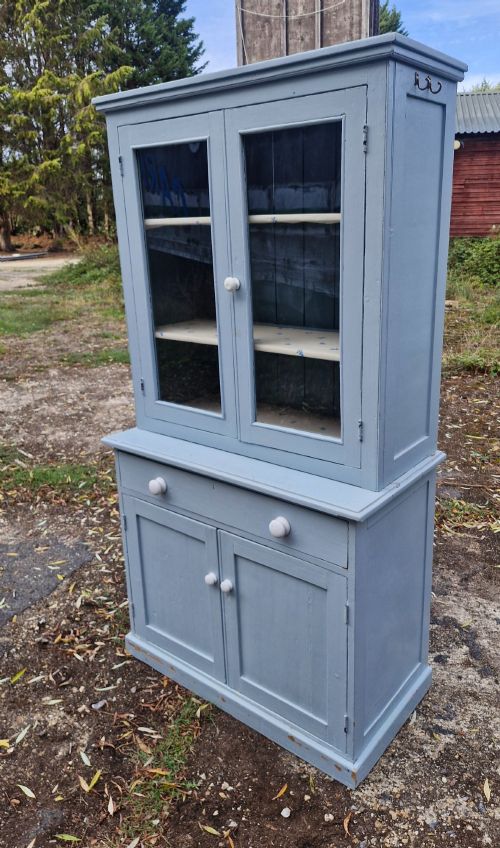
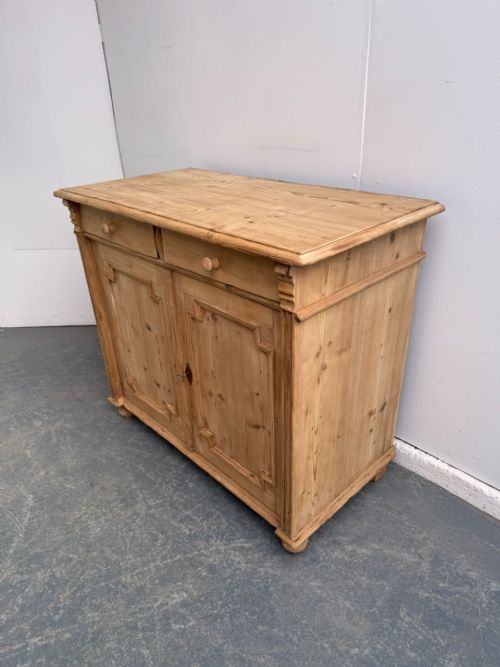
A vintage kitchen unit encompasses hardworking utilitarian furniture designed for food preparation and storage, spanning robust dressers, larder cupboards, and wall shelves. When exploring this selection, pine and oak examples dominate the pieces available, shaped by rural British, French, and Hungarian traditions.
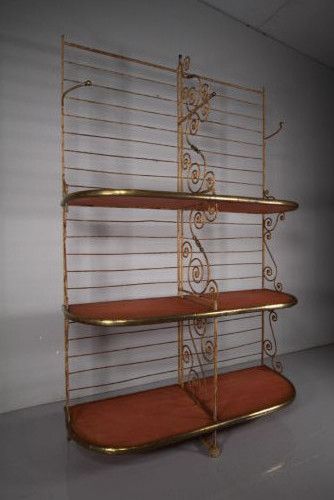
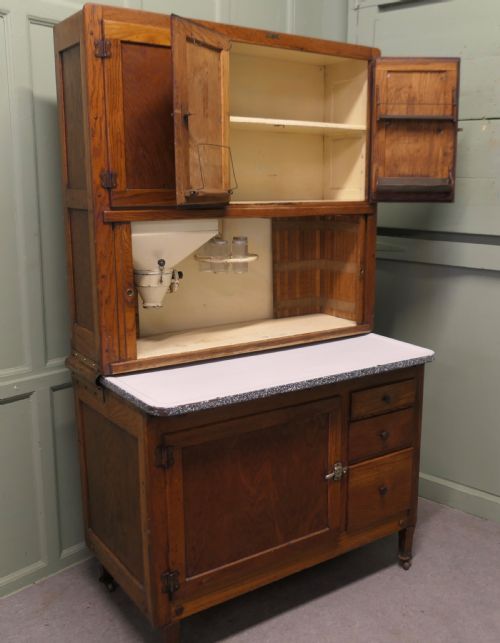
Buyers will frequently encounter timber dressers with open plate racks, enclosed housekeeping cupboards, and specialised pieces such as bakers racks and butchers blocks. These items bridge the gap between working domestic workspace and display furniture, carrying the marks of daily use from past centuries.
Origins stretch from the eighteenth century through the Victorian era and into the early twentieth century, reflecting shifting domestic habits. The emphasis remains firmly on practical storage, from tall larder cupboards to compact wall-mounted shelving units designed to keep culinary implements close to hand.
Materials and Construction Methods
Solid pine and oak provide the structural backbone for the vast majority of these utilitarian forms, selected for their strength and availability in country workshops. Carpenters relied on sturdy pegged joinery and solid timber boards to withstand the heavy daily demands of domestic food preparation.
Iron, wrought iron, and brass appear as functional hardware and structural elements, visible in hinges, handles, and bakers rack frames. Painted finishes, sometimes historic or layered over bare wood, protect the softer timbers while offering a distinct decorative surface.
Specialised additions include glass panels for display cabinets, vented doors for food preservation in larder cupboards, and robust metal surfaces on field kitchen dressers and butchers blocks. These combined materials reflect the purely functional origins of each piece.
Vintage Kitchen Unit Retail Price Guide 2026
Typical asking prices for vintage kitchen unit among the pieces listed under this phrase on Sellingantiques today, from the lower quarter to the upper quarter. They describe what is for sale here now, not the wider market.
Listings feature items spanning the eighteenth century through the early twentieth century, constructed primarily from solid oak and pine.
Judging Quality and Integrity
Quality in a vintage kitchen unit rests upon the integrity of its original timber and the retention of its structural form through generations of use. Pieces that retain their original backboards, hardware, and uncompromised proportions command greater interest among collectors.
The sophistication of the joinery distinguishes standard vernacular pieces from finer workshops, visible in the dovetailing of drawers and the fitting of doors. Surface patination, whether from decades of waxing or the gradual wear of historic paint layers, marks the transition from mere age to genuine character.
Originality of purpose dictates the standing of the piece, where alterations or marriages of separate top and base sections alter the historic unity. The honesty of the materials, free from excessive modern restoration, defines the enduring worth of utility furniture.
Hudson Bros·Trussant & Cie
The Vintage Kitchen Unit Glossary
- Larder cupboard
- A tall storage cabinet traditionally used for food preservation and provisions before mechanical refrigeration. These pieces often feature ventilated panels or multiple internal shelves.
- Dresser base
- The lower cabinet portion of a kitchen dresser, typically comprising drawers and cupboards below a solid top. They function independently as sideboards or serving surfaces.
- Plate rack
- An open shelving attachment designed specifically to hold ceramic plates vertically for drying and display. They are commonly mounted above dressers or directly to kitchen walls.
- Butchers block
- A heavy, thick-topped wooden table used by butchers and domestic cooks for jointing meat and food preparation. The top is constructed from end-grain timber to absorb heavy chopping impacts.
- Vernacular furniture
- Everyday objects made by local craftsmen using regional materials, prioritizing function over high-style academic design. This category includes much of the country oak and pine furniture found in domestic settings.
Vintage Kitchen Unit: Frequently Asked Questions
What is a vintage kitchen unit?
A vintage kitchen unit is a freestanding piece of utilitarian furniture designed for food preparation, storage, and display in domestic spaces. These items include cupboards, dressers, bakers racks, and shelving units made largely in the eighteenth, nineteenth, and early twentieth centuries.
Unlike fitted modern kitchens, these pieces are individual items of furniture built from solid timbers such as pine and oak. They offer movable storage solutions that bring historic character and practical workspace into contemporary homes.
How were larder cupboards used?
Larder cupboards were essential storage spaces designed to keep perishable foods cool and protected from pests before the widespread adoption of domestic refrigerators. Their enclosed shelving and ventilated panels allowed air circulation around provisions.
In modern interiors, these tall cupboards serve as versatile pantries, linen stores, or general utility storage. Their deep shelves and door compartments accommodate dry goods, crockery, and household items with ease.
How do I care for antique pine furniture?
Antique pine benefits from regular treatment with traditional beeswax to nourish the dry timber and maintain a soft, protective sheen. Avoid placing wooden furniture in direct sunlight or close to intense heat sources to prevent warping or splitting.
Cleaning should be done with a soft, dry cloth rather than harsh modern chemical sprays. Preserving the natural moisture in older woods ensures the surface patination continues to develop gracefully over time.
How can I tell the period of a kitchen dresser?
Dating a dresser involves examining the construction techniques, tool marks, timber selection, and overall design proportions. Eighteenth-century pieces often display hand-sawn boards and pegged joinery, while Victorian examples introduce standardised machine-cut elements and different moulding profiles.
Hardware such as hinges and drawer pulls also offer clues, though handles are frequently replaced. Comparing the carcass construction and backboards to documented vernacular styles helps narrow down the century of manufacture.