
Vintage Kitchen Cabinet
A vintage kitchen cabinet brings working utility and regional character straight into a modern interior.
Vintage Kitchen Cabinet
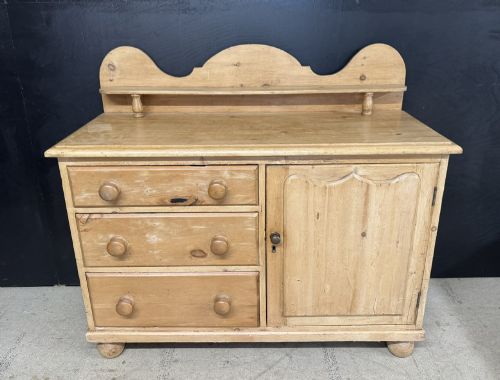
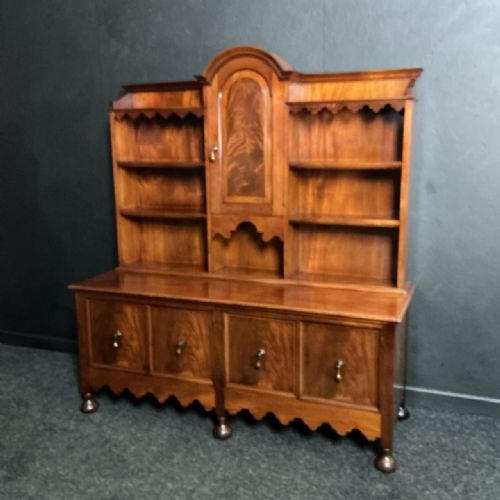
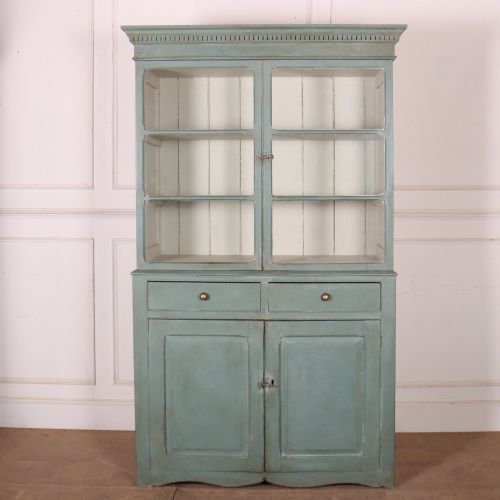
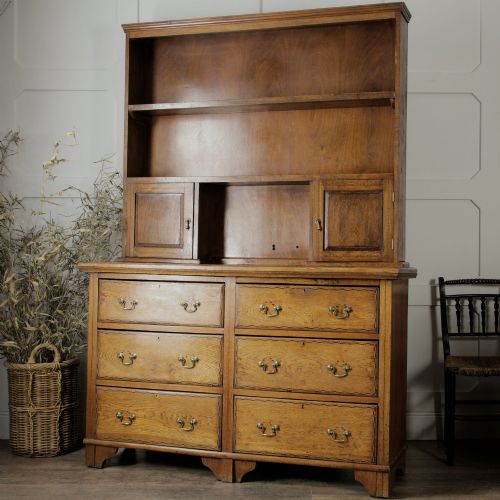
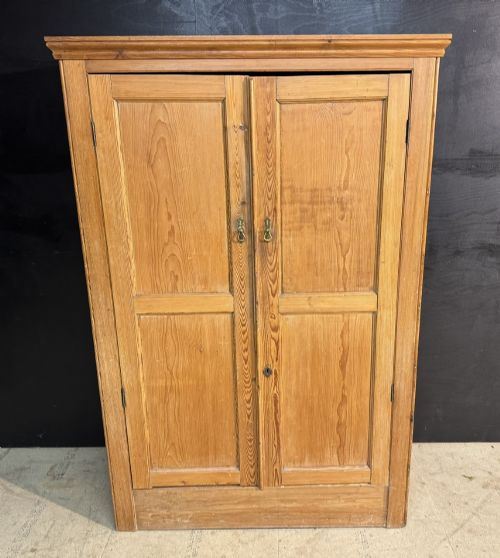
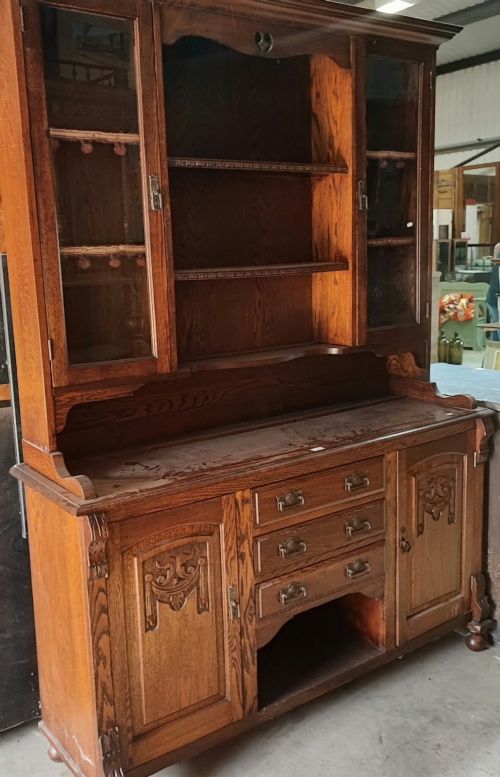
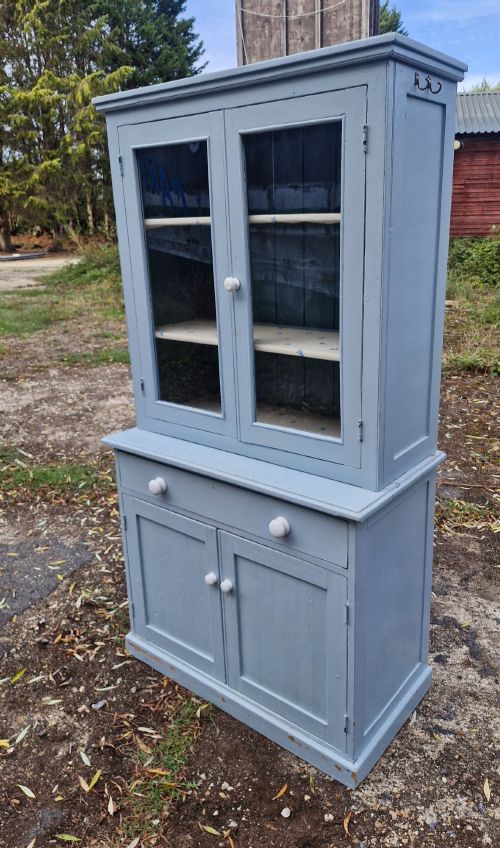
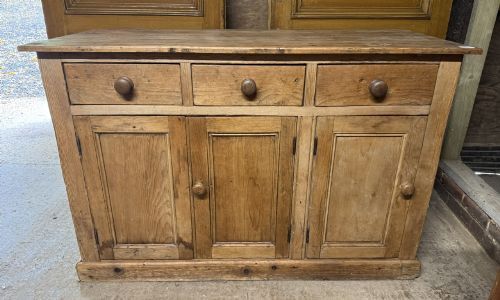
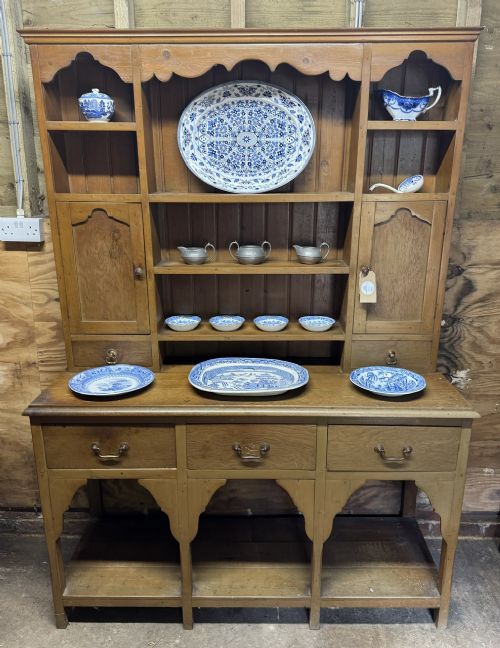
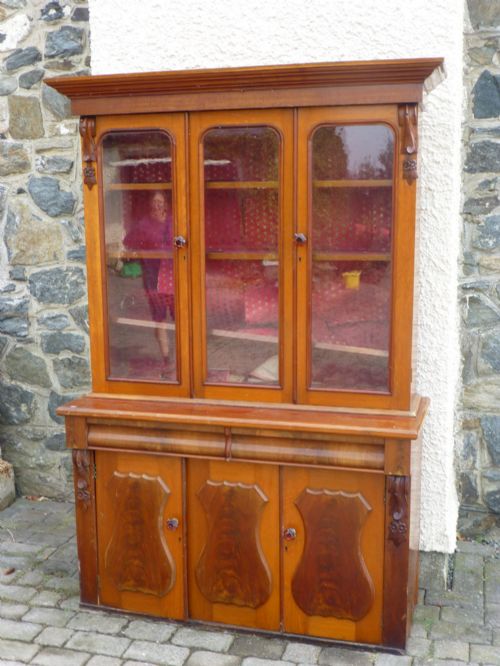
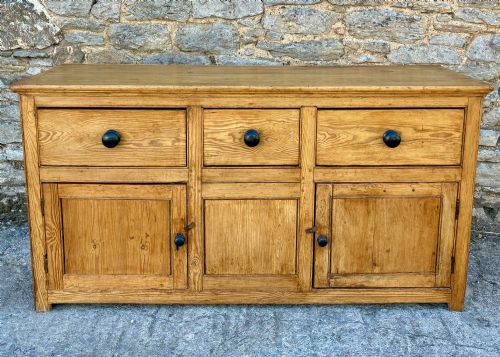
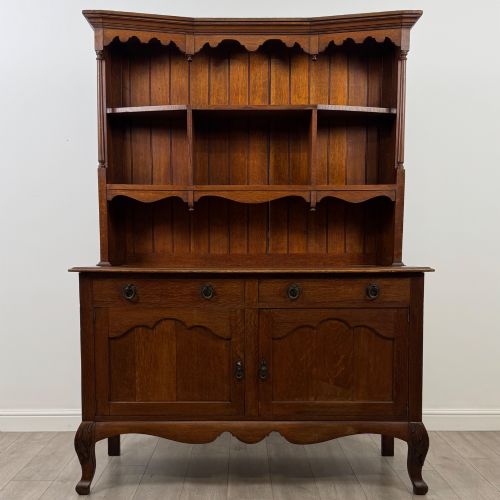
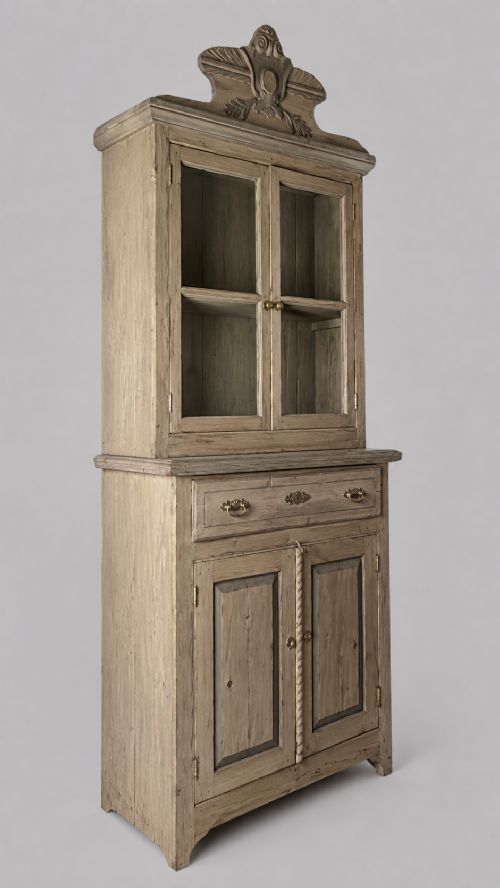
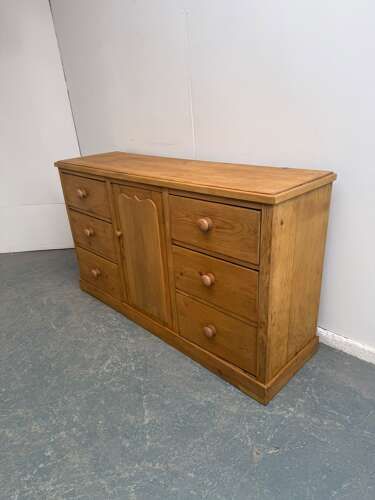
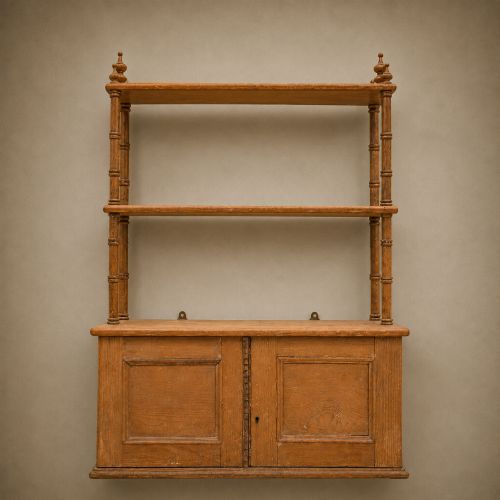
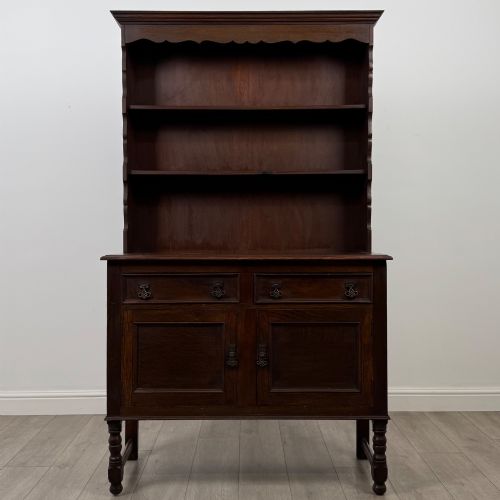
A vintage kitchen cabinet encompasses practical utilitarian storage pieces such as dressers, larder cupboards, and wall shelves built to hold domestic provisions. Buyers searching for a vintage kitchen cabinet encounter a strong selection of regional pieces from the nineteenth and early twentieth centuries, spanning Edwardian, Victorian, and Georgian periods. These domestic storage units take the form of multi-tier dressers with rack tops, glazed display cupboards, and solid base units designed for heavy everyday use.
The material palette of a vintage kitchen cabinet relies heavily on durable timbers like pine, oak, and fruitwood, often featuring painted finishes or original wax patinas. Regional variations emerge clearly in the listings, ranging from traditional Welsh and West Country pine pieces to French provincial fruitwood cupboards and Edwardian oak designs. Whether configured as a two-part cupboard or a single base unit, each piece reflects the practical demands of historic domestic spaces.
Materials and construction methods
Makers constructed a vintage kitchen cabinet using solid native timbers such as pine, oak, fruitwood, and mahogany, selected for their structural strength and local availability. Carpenters joined heavy carcases using traditional methods, pairing solid wood panels with functional brass, iron, and metal hardware. Many pieces show visible tool marks and hand-planed surfaces that reveal the manual labour involved in their creation.
Surfaces on a vintage kitchen cabinet frequently display applied paint finishes, original wax, or natural patinas that have evolved through decades of use. Glazed upper sections utilise fitted glass panes held by wooden glazing bars, whilst lower cupboards and drawers rely on sturdy timber framing to support heavy provisions and kitchen wares.
Listings feature a strong selection of nineteenth-century pine and oak pieces, alongside Edwardian designs and French provincial fruitwood cabinets.
Assessing quality in storage pieces
The quality of a vintage kitchen cabinet rests primarily on the integrity of its timber selection, the honesty of its surface finish, and the balance of its proportions. Pieces retaining their original paint, undisturbed wax patinas, or matching hardware hold greater integrity than those stripped or heavily altered over time.
Construction detail distinguishes standard utility pieces from finer examples, visible in the snugness of drawer dovetails, the weight of solid oak or pine carcases, and the retention of original glass panes. Regional character also plays a role, where authentic country craftsmanship and uncompromised structural frames command deeper appreciation from collectors.
Hudson Bros
The Vintage Kitchen Cabinet Glossary
- Dresser
- A dual-purpose storage unit combining a lower base of drawers or cupboards with an upper rack or shelving superstructure for displaying tableware.
- Larder cupboard
- A tall storage cabinet traditionally used for food preservation and provisions, often featuring ventilated panels or deep interior shelving.
- Patina
- The surface sheen and colour depth developed on wood or paint over decades of handling, cleaning, and exposure to light.
- Confiturier
- A compact French storage cupboard, also known as a jam cupboard, traditionally used for storing preserves and household provisions.
- Welsh dresser
- A distinct regional cabinetry form featuring an open plate rack mounted above a deep wooden base fitted with drawers and cupboards.
Vintage Kitchen Cabinet: Frequently Asked Questions
How do I date a vintage kitchen cabinet?
Dating relies on examining the timber species, construction joints, hardware, and overall style against known period characteristics. Eighteenth and nineteenth-century pieces often display hand-sawn timbers and pegged joints, whilst Edwardian examples show early twentieth-century manufacturing shifts.
Paint layers and surface wear also provide clues to age. Original patinas and traditional fixings help confirm the period of manufacture.
Where were these cabinets made?
These cabinets originate from various regions across Britain, France, and America, reflecting local timber supplies and domestic traditions. Welsh and West Country workshops produced distinctive oak and pine dressers, whilst French makers utilised provincial fruitwood and walnut.
Regional styles often reveal themselves through specific moulding details, timber choices, and local vernacular design traits.
How do I care for a painted or waxed surface?
Preserving the surface requires avoiding excessive moisture and harsh chemical cleaning agents. Waxed pine and oak benefit from occasional applications of natural beeswax to nourish the timber and maintain its protective barrier.
Painted surfaces should be dusted gently with a dry cloth. Protecting the finish from direct heat and strong sunlight prevents the historic wood and paint from drying out.
Can I use a kitchen cabinet in a modern room?
These versatile storage units integrate smoothly into modern kitchens, dining rooms, or hallways as functional storage and display furniture. Their deep shelves and drawers accommodate contemporary tableware, pantry items, or linens.
Placing a historic piece in a modern interior adds warmth and tactile contrast. The enduring utility of these cabinets ensures they remain practical assets in everyday life.