





Vintage Jewellery Case
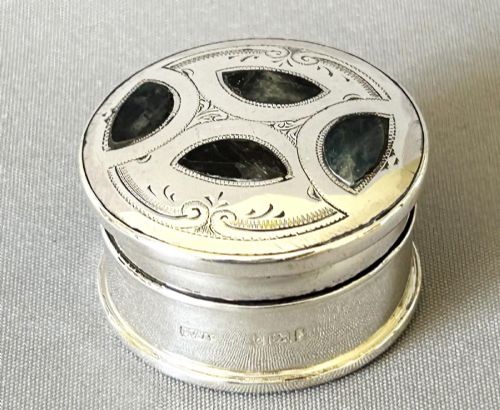
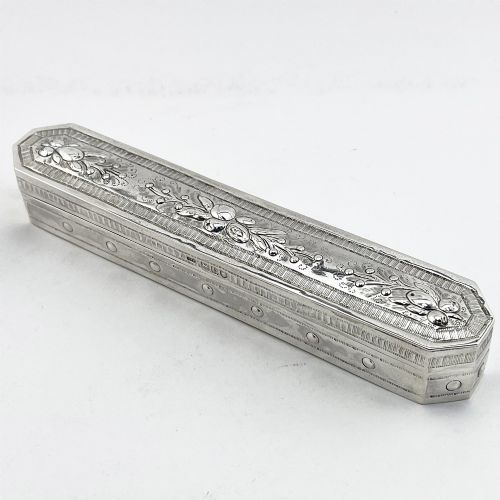
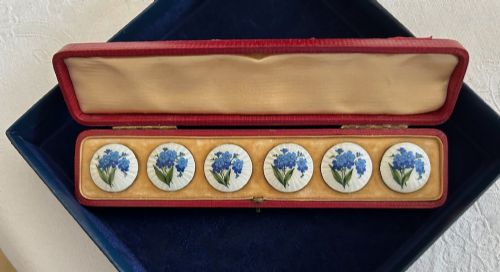
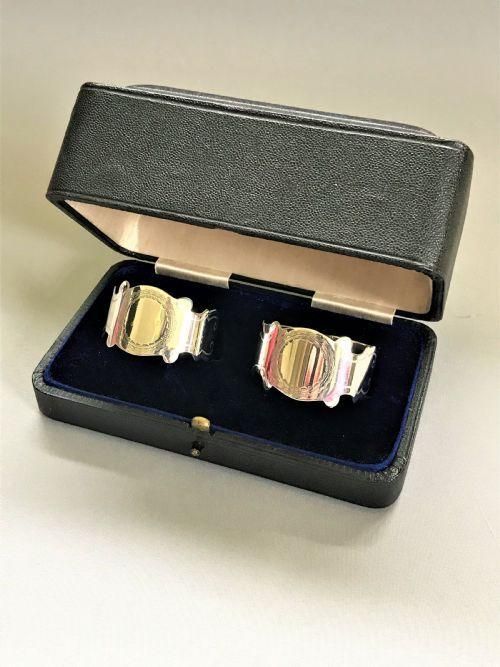
These vintage jewellery case selections range from compact leather travel boxes to grand mahogany display cabinets designed to protect and exhibit precious objects.
Vintage Jewellery Case
A vintage jewellery case encompasses a diverse array of domestic and commercial containers, including small trinket boxes, fitted dressing cases, and large glass-topped shop display cabinets. Buyers navigating this selection encounter items originating primarily from the Victorian, Edwardian, and Art Deco periods, spanning the nineteenth and twentieth centuries.
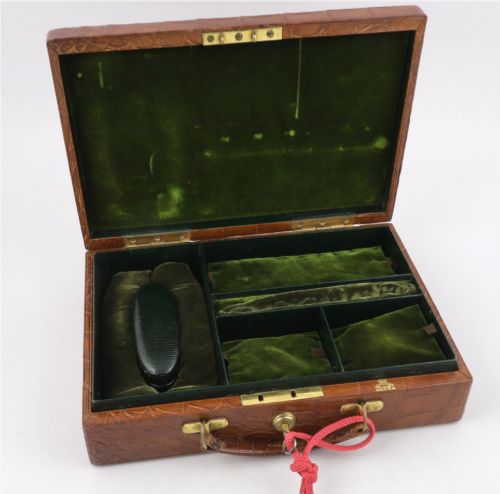
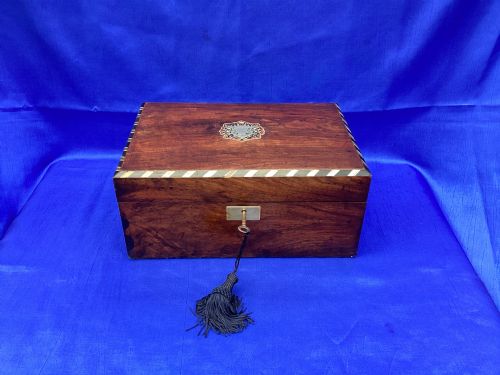
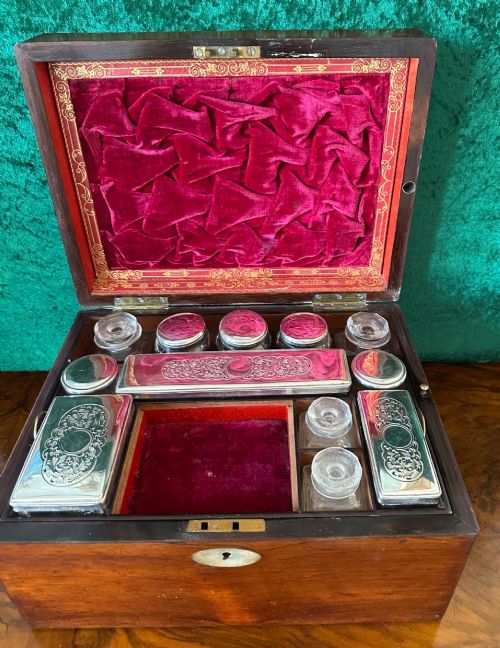
The domestic versions manifest as mahogany, rosewood, and walnut boxes lined with velvet, alongside textured leather and crocodile skin variants built for travel. Commercial iterations emerge as ebonized, oak, and mahogany countertop display counters and bijouterie tables intended for tabletop presentation.
Materials and Construction
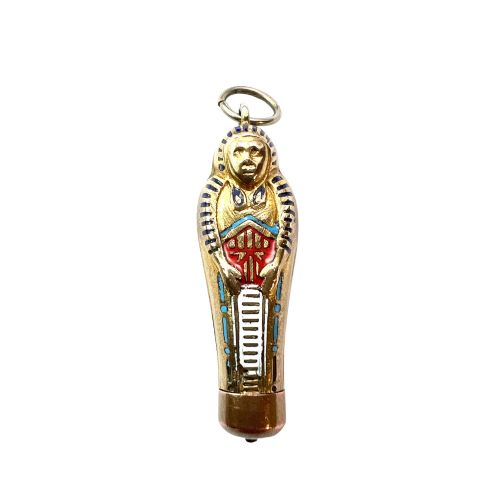
Cabinet makers utilised dense hardwoods such as mahogany, walnut, and exotic coromandel, frequently incorporating satinwood inlay and brass mounts to construct the structural shells. Interiors relied on tactile textiles, notably plush velvet linings and fitted compartments designed to secure individual rings, watches, and pendants.
Display variants integrated glazed panels and glass tops within wooden frames, whilst specialised travel luggage employed durable leather and treated reptile skins over sturdy wooden carcasses. Metalwork components, from sterling silver hinges to brass locks, provided both functional security and decorative contrast.
Vintage Jewellery Case Retail Price Guide 2026
Typical asking prices for vintage jewellery case among the pieces listed under this phrase on Sellingantiques today, from the lower quarter to the upper quarter. They describe what is for sale here now, not the wider market.
Listings span the nineteenth and twentieth centuries, incorporating Victorian, Edwardian, and Art Deco design aesthetics.
The Measure of Quality
Quality rests upon the integrity of the timber framing, the precision of the joinery, and the preservation of original interior fittings such as velvet pads and silk pockets. Superior examples maintain their operational locks, keys, and structural rigidity without warping across panel surfaces.
The refinement of brass hardware, the clarity of the glazed display panels, and the absence of clumsy restoration distinguish finer domestic boxes and commercial vitrines from utilitarian replacements.
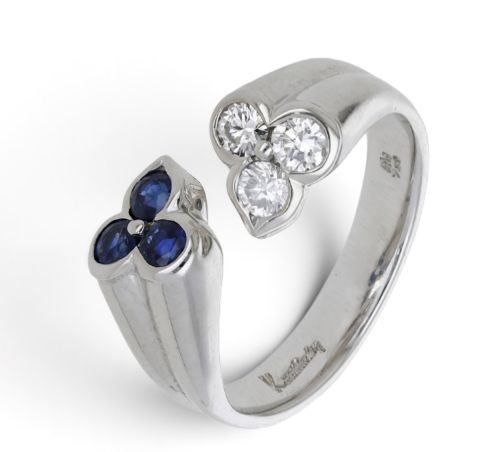
J C Vickery·Kutchinsky·Van Cleef and Arpels
The Vintage Jewellery Case Glossary
- Bijouterie table
- A glass-topped display table designed specifically for showcasing small ornaments, medals, and jewellery items. These pieces typically stand on slender legs with hinged glazed lids.
- Vitrine
- An enclosed glass cabinet or display case utilised for exhibiting precious objects and curiosities. They appear in tabletop formats and larger freestanding room configurations.
- Dressing box
- A fitted wooden container housing compartments, jars, and mirrors for personal grooming and jewellery storage. Victorian iterations often include secret drawers beneath the primary tray.
- Coromandel
- A dense, heavily figured southeast Asian timber prized by nineteenth-century cabinet makers for luxury boxes. It displays dark brown coloration with striking black grain patterns.
- Inlay
- A decorative technique where contrasting woods, brass, or mother-of-pearl are inserted into recesses cut into the primary surface. Edwardian examples frequently showcase delicate floral or geometric motifs.
Vintage Jewellery Case: Frequently Asked Questions
What is a vintage jewellery case used for?
These pieces serve to organise, secure, and display personal ornaments, precious rings, and delicate keepsakes. Domestic boxes protect valuables within lined compartments, whilst display tables exhibit items in domestic or retail settings.
Larger cabinets and vitrines allow collectors to curate and view their holdings safely without exposing them to dust or handling.
How do I date an Edwardian jewellery box?
Edwardian pieces, dating from roughly the start of the twentieth century up to the First World War, often feature lighter mahogany timbers, satinwood inlay, and distinctive silver hallmarks.
Examining the lock mechanisms, hinges, and interior paper or velvet lining styles also helps establish the precise manufacturing era.
How should I clean a leather jewellery case?
Leather and crocodile skin surfaces require gentle maintenance using specialist conservation waxes or neutral leather balms to prevent the material from drying and cracking.
Interior velvet and silk linings should only be cleaned with dry, soft brushes to avoid disturbing fragile historic textiles and adhesives.
What distinguishes a bijouterie table from a display cabinet?
A bijouterie table is a low, waist-high furnishing featuring a glazed horizontal top that allows items to be viewed from above. Shop display cabinets and vitrines generally incorporate vertical glass doors and tiered shelving.
Both forms utilise glass panes to showcase contents, but tables are designed for intimate tabletop viewing rather than vertical room storage.