



Vintage Japanese Statue
These vintage japanese statue pieces bring remarkable animal and human forms into your rooms, shaped by master hands across past centuries.
Vintage Japanese Statue
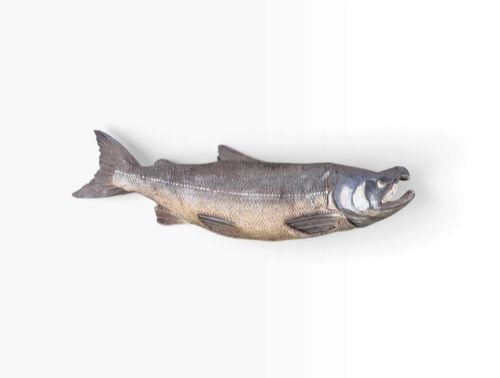
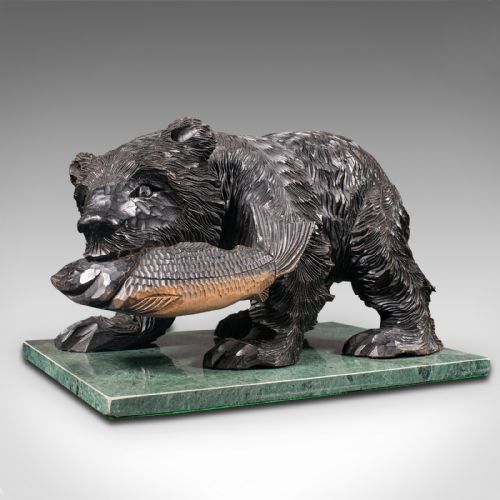
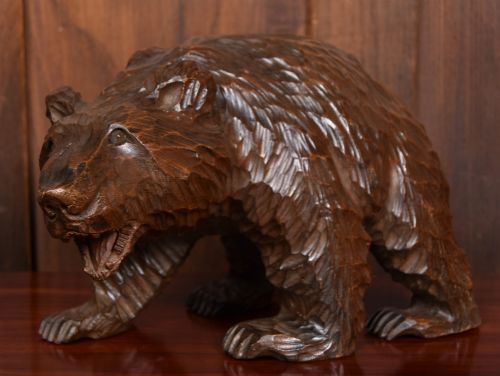
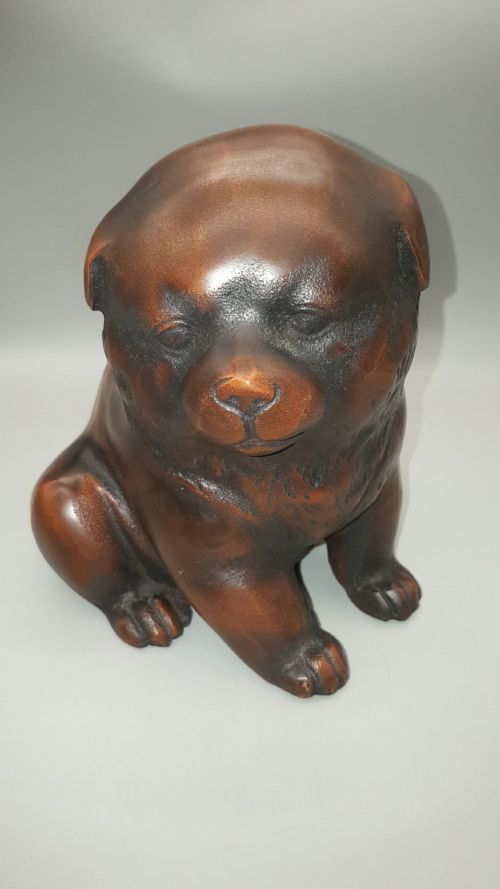
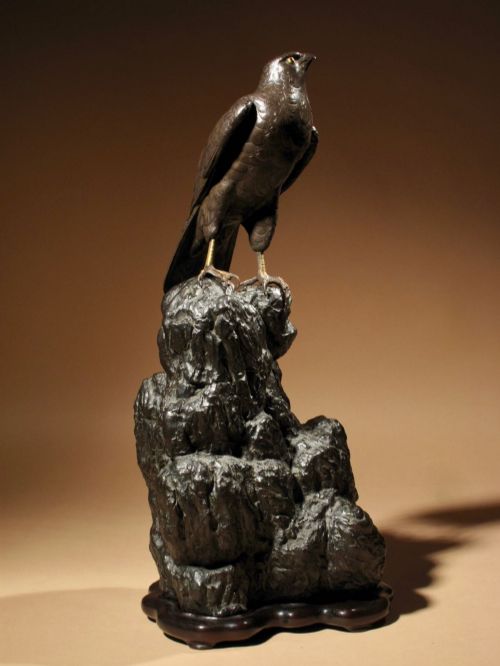
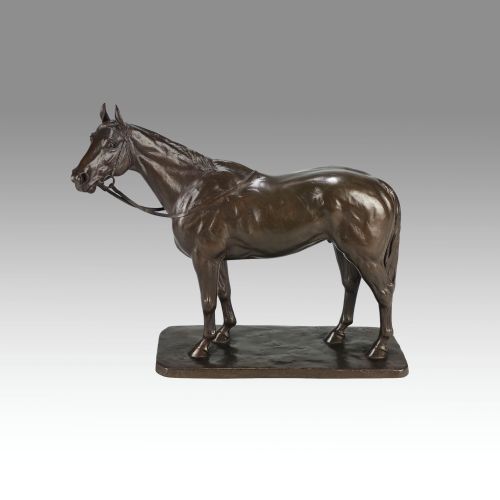
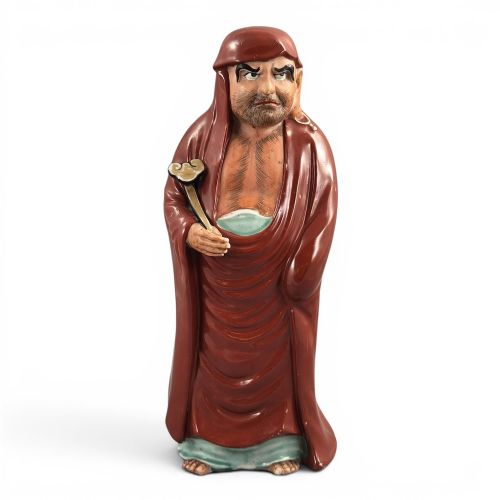
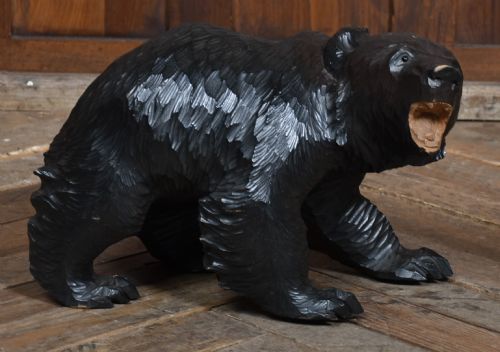
When you search for a vintage japanese statue, you encounter a diverse gathering of sculptures, figurines, and okimono drawn from the nineteenth, twentieth, Edwardian, Showa, and Taisho periods. The selection ranges from carved wooden bears and salmon to bronze horses, hawks, elephants, and porcelain figures of deities like Kannon.
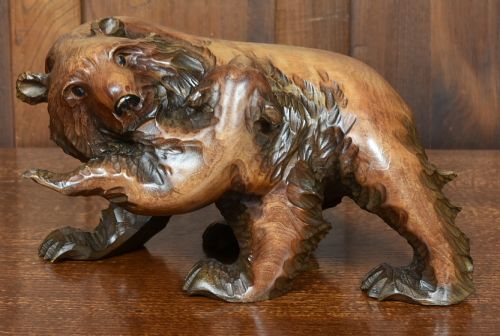
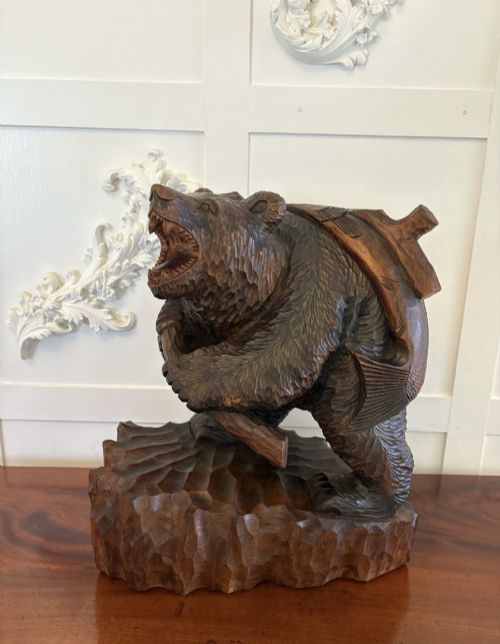
Wooden carvings form a prominent part of the selection, featuring traditional styles such as kibori kuma and nata-tsukuri across cedar, linden, and hardwood. Alongside these, bronze sculptures and porcelain figures provide an expansive view of Japanese folk art and Meiji period craftsmanship.
Most items you meet date from the nineteenth century through to the early decades of the twentieth century. These objects served various decorative and functional roles in domestic interiors and gardens, capturing subjects from nature and folklore with distinct cultural fidelity.
How they were made
Artisans employed traditional techniques to carve detailed forms directly from timber such as linden, cedar, and assorted hardwoods. Woodcarvers utilised chisels and knives to render realistic textures in animal fur, fish scales, and human attire.
Metalworkers cast subjects in bronze, occasionally incorporating gold leaf details or signing their work from foundries. Ceramic pieces utilised porcelain and enamel materials, shaped into figures such as Daruma and Kannon before being fired and glazed.
Vintage Japanese Statue Retail Price Guide 2026
Typical asking prices for vintage japanese statue among the pieces listed under this phrase on Sellingantiques today, from the lower quarter to the upper quarter. They describe what is for sale here now, not the wider market.
The listings on this site span the nineteenth century, Edwardian era, Taisho period, and Showa period, utilising bronze, carved wood, porcelain, stone, and enamel.
What varies in quality
The degree of anatomical precision and expressive character separates standard works from exceptional examples. Sculptures that capture nuanced movement in an animal or intricate folds in a garment demand higher skill from the artisan.
The integrity of the material and the crispness of the carving or casting define the upper tier of the range. Master works often bear artist signatures or foundry marks, reflecting individual authorship and provenance.
Shuho Nakahara·Tsunemitsu·Kunio Itô·Sakai Kōzan
The Vintage Japanese Statue Glossary
- Okimono
- A Japanese decorative object usually displayed in a house. These standalone ornaments depict animals, humans, and legendary figures.
- Kibori kuma
- Traditional wooden carved bears produced in Japan, often depicted carrying fish or standing on all fours. They form a distinct category of folk art.
- Meiji Period
- The era in Japanese history spanning from 1868 to 1912. Objects from this time display refined metalwork and detailed sculptural techniques.
- Kutani
- A style of Japanese porcelain noted for vibrant enamel colours and detailed figural work. These ceramics often depict deities and historical figures.
- Nata-tsukuri
- A specific wood-carving style characterised by visible hatchet or axe marks left on the surface. This technique imparts a rustic texture to wooden sculptures.
Vintage Japanese Statue: Frequently Asked Questions
How do I identify a Meiji period bronze?
Meiji period bronzes often feature intricate detailing, realistic animal or human anatomy, and occasionally artist signatures or foundry marks. The casting technique demonstrates high precision in capturing textures like feathers, fur, and skin.
These pieces typically date from the late nineteenth or early twentieth century and reflect traditional metalworking mastery.
What are kibori kuma carvings?
Kibori kuma are traditional wooden bear carvings originating from the Hokkaido region of Japan. They frequently portray bears holding fish in their mouths or paws.
Carved from woods such as cedar and linden, these folk art pieces range from small table ornaments to larger decorative sculptures.
Where should I place a garden okimono?
Garden okimono, such as bronze geese or large animal figures, suit sheltered outdoor locations or interior garden rooms. Bronze and stone materials weather naturally over time when exposed to the elements.
Ensure the placement provides a stable surface and allows the sculpture to be viewed as a focal point.