



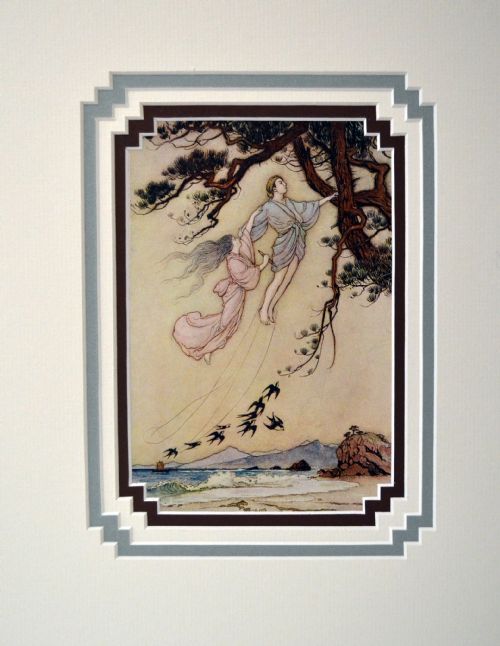
Vintage Japanese Plate
These vintage japanese plate selections bring centuries of skilled craftsmanship, vibrant decoration and rich cultural heritage directly to the home.
Vintage Japanese Plate
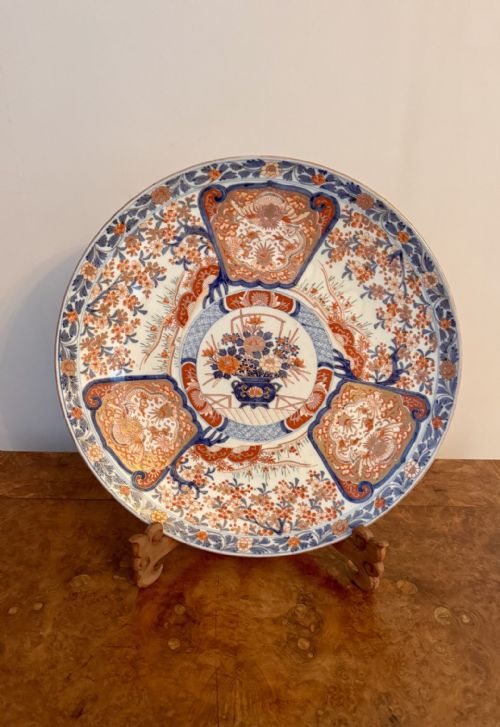
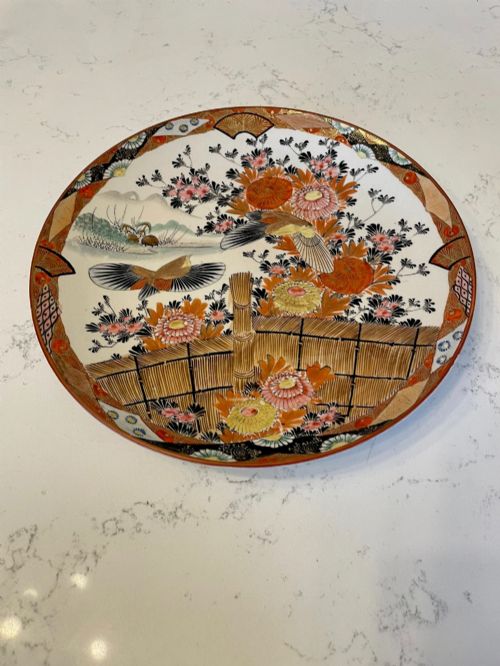
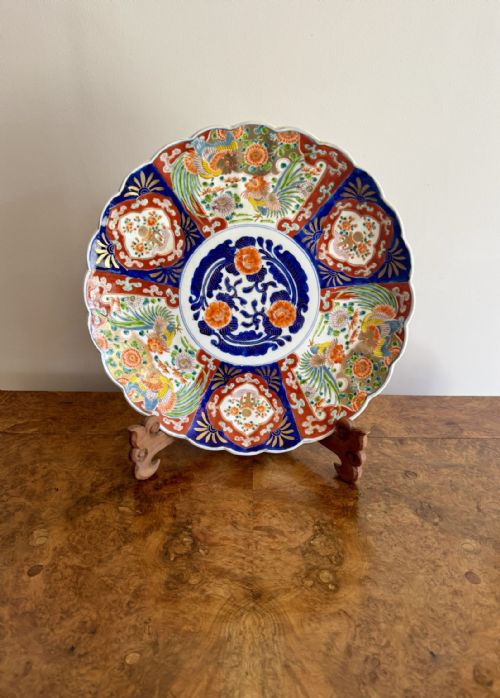
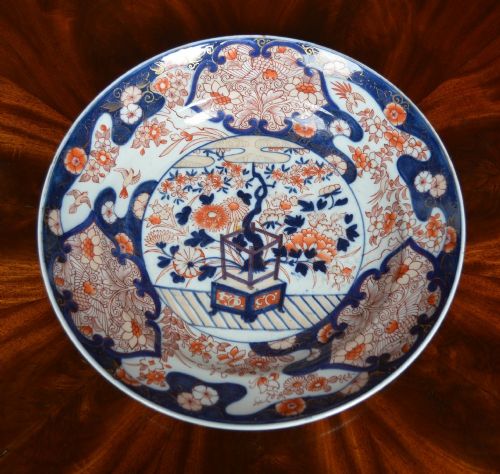
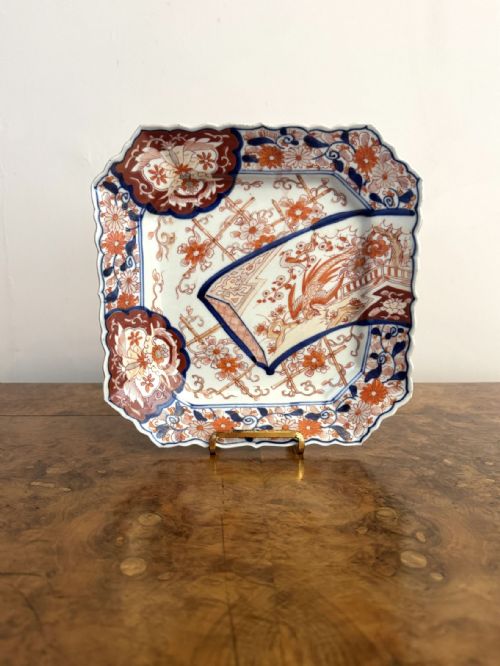
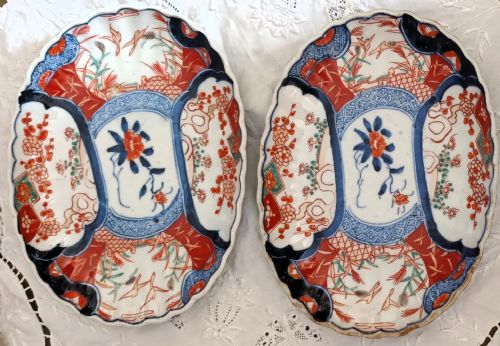
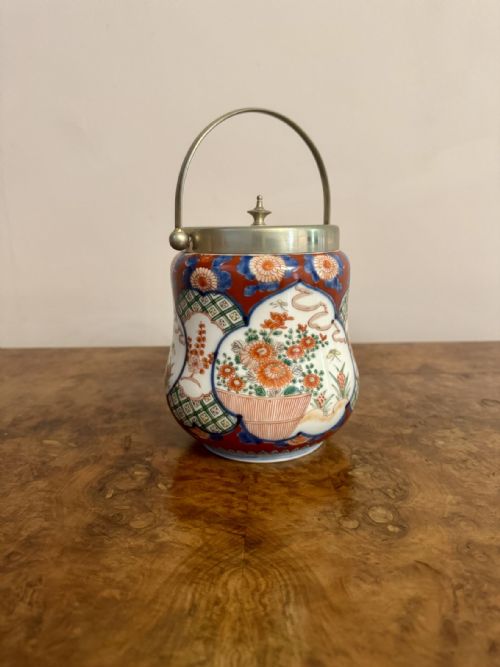
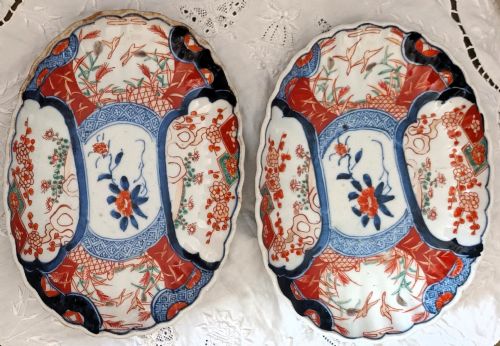
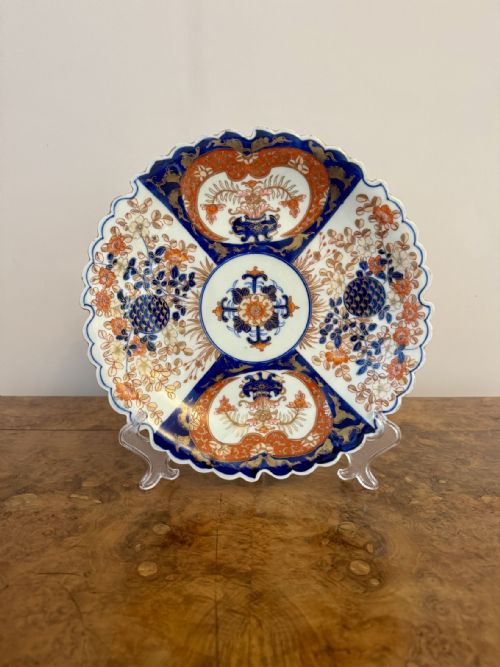
A vintage japanese plate encompasses a wide array of decorative ceramics, porcelain dishes and chargers originating from historic periods such as the Meiji, Taisho and Edo eras. Buyers searching this phrase typically encounter robust Imari patterns, delicate Satsuma wares, and intricate cloisonne enamel designs created for both domestic use and export.
Materials and Techniques
Makers utilised high-fired porcelain and ceramic bodies as the foundation for vibrant hand-painted glazes, often incorporating rich cobalt blue, iron red and abundant gold leaf details. Cloisonne examples employ fine copper or brass wire soldered to metal bases to form complex cells that receive colourful enamel pastes before firing and polishing.
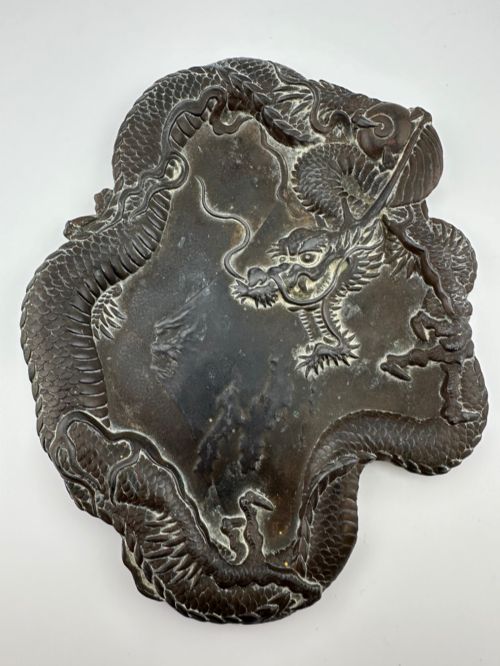
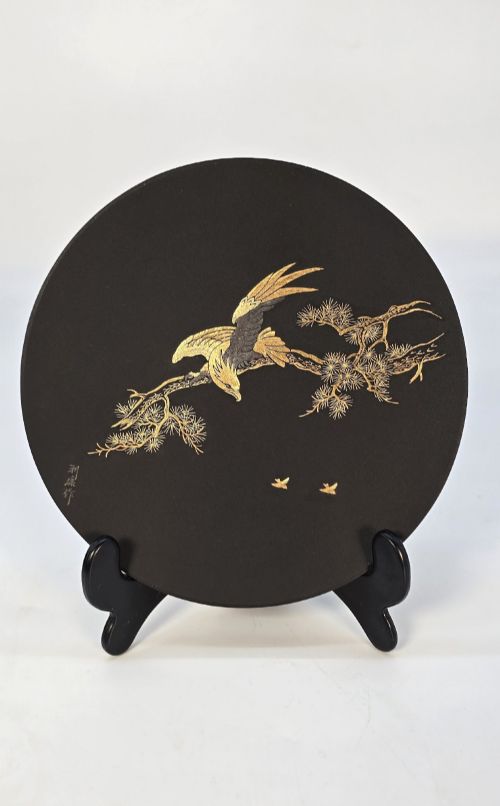
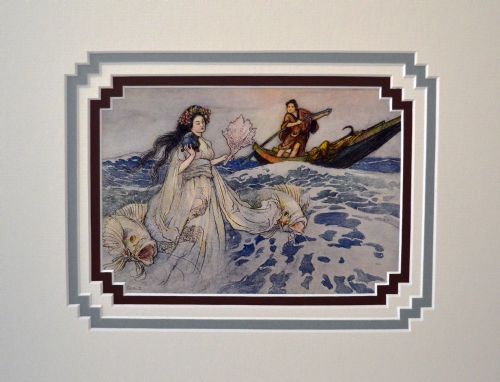
Alternative items showcase patinated bronze, iron, and antimony work enhanced with gold and silver inlay, demonstrating the metalworking prowess of the period. Lacquer plaques and printed paper works further illustrate the diverse materials handled by artisans across these historic workshops.
Materials recorded across the inventory include porcelain, enamel, gold leaf, paper, copper, brass, ink, and gilt.
Assessing Quality and Artistry
The standard of a vintage japanese plate rests upon the precision of the hand-painting, the clarity of the enamel work, and the complexity of the composition. Superior examples display confident, highly detailed brushwork and disciplined control over kiln temperatures, ensuring crisp cobalt blues and luminous metallic gilding without pooling or blurring.
Depth of relief in carved or inlaid surfaces and the symmetry of shaped forms like square plates and scalloped chargers also separate standard commercial wares from master-level output. Signed pieces by notable artists or specific kilns often reflect a higher degree of individual execution and refined decorative ambition.
Shozo·Koshida·Warwick Goble
The Vintage Japanese Plate Glossary
- Imari
- A traditional style of Japanese porcelain decorated in underglaze blue, iron red, gold and additional colours. These pieces originated in the town of Arita and became immensely popular for export during the Edo and Meiji periods.
- Cloisonne
- A technique where enamel is applied to compartments formed by strips of metal welded to a metallic base. Skilled artisans fire and polish the surface to create intricate pictorial designs featuring birds, fish, and landscapes.
- Satsuma
- A type of earthenware pottery characterised by a ivory-coloured, crackled glaze. It is typically decorated with elaborate polychrome enamels and generous amounts of gold leaf.
- Charger
- A large decorative plate or platter intended primarily for display rather than for serving food. They frequently showcase the most ambitious artistic narratives and detailed borders of a workshop's output.
Vintage Japanese Plate: Frequently Asked Questions
How do I display a heavy charger safely?
Large chargers require robust wall hangers specifically designed to support considerable weight without stressing the ceramic rim. Ensure the fixing anchors securely into solid wall framing rather than plaster alone.
Alternatively, sturdy tabletop display stands with a wide base offer a secure method to present shallow bowls and square plates on sideboards or mantelpieces.
Are these plates suitable for daily use?
Most antique and vintage pieces feature delicate hand-painted enamels and gold leaf that can easily abrade or wear away with frequent handling and washing. Gentle dusting with a dry cloth is generally recommended to preserve the decorated surfaces.
Functional use should be strictly limited, particularly for historic porcelain and cloisonne items that benefit from careful preservation away from kitchen activity.
How do I tell Meiji period pieces apart?
Meiji period items often reflect a surge in export manufacturing and technical experimentation following the opening of trade ports. These works frequently combine traditional motifs with hyper-detailed execution in porcelain, metalwork, and cloisonne enamel.
Earlier Edo period examples tend to display more restrained, rustic aesthetics or traditional classicism, while later Taisho items bridge historic forms with early twentieth-century design sensibilities.
What is the difference between Imari and Arita?
Arita is the geographic production centre in Japan where the porcelain clay was mined and fired. Imari refers specifically to the port from which these distinctively patterned blue, red, and gold ceramics were shipped to domestic and international markets.
All Imari is essentially Arita porcelain, but the term Imari designates the characteristic decorative palette rather than the town of manufacture.