






Vintage Japanese Lamp Pair
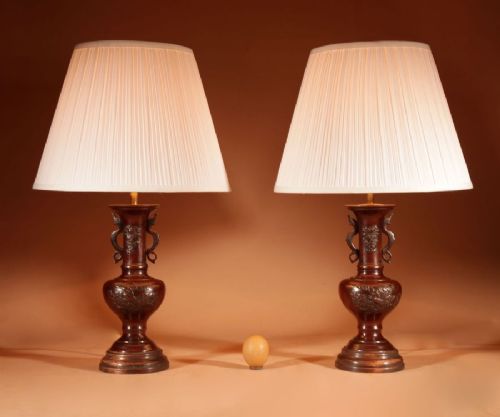
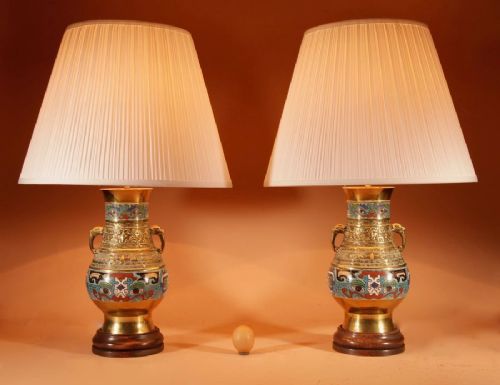
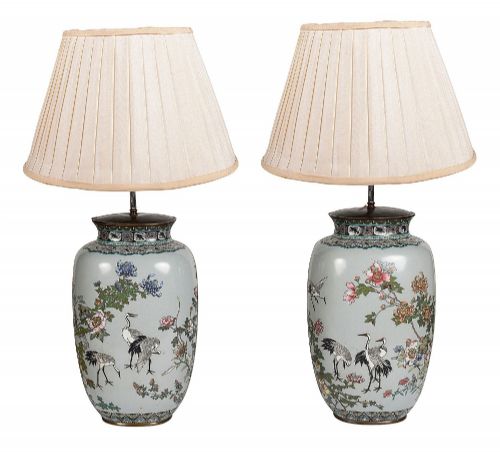
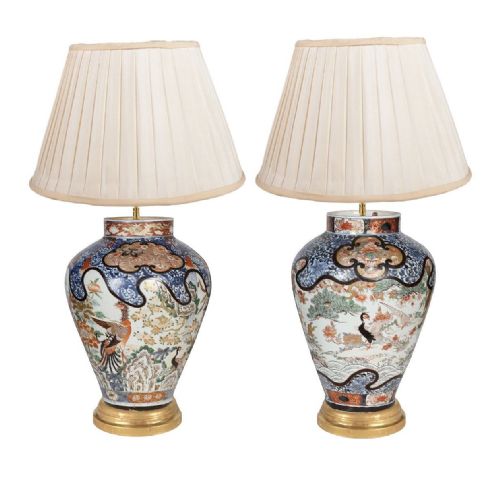
A vintage japanese lamp pair brings intricate Meiji craftsmanship and painted porcelain into a room.
Vintage Japanese Lamp Pair
A vintage japanese lamp pair consists of matched lighting fixtures created from traditional Far Eastern vessels adapted for Western interiors. These items combine historic ceramic vases or metal urns with electrical fittings added during various periods of transformation.
The selections encountered here span several centuries, reaching back through the Edo and Meiji eras into earlier decorative traditions. Satsuma, Kutani, and Imari porcelains appear frequently alongside cloisonné enamel and root wood formations.
Most examples function as table lamps, providing focused illumination while retaining the distinct hand-painted motifs of their original manufacturing period. Alongside ceramic bodies, brass, bronze, and ormolu mounts frequently complete the design.
What varies in quality
The precision and detail of the hand-painted enamel or ceramic decoration distinguish finer examples from standard production. Artisans who invested greater time into layered pigments and delicate gilding achieved superior visual depth.
The integration of metal mounts, such as ormolu or cast brass, demonstrates the structural care taken during conversion into lamps. Heavier, more substantial base materials generally indicate a higher grade of original manufacture.
Listings feature items from the 17th century through the Meiji period, using materials such as porcelain, cloisonné enamel, and root wood.
The Vintage Japanese Lamp Pair Glossary
- Satsuma
- A type of Japanese earthenware featuring a crackled creamy glaze decorated with polychrome enamels and gilt. This ceramic style became widely exported during the late nineteenth century.
- Cloisonne
- A decorative metalwork technique where thin metal strips form compartments on a vessel surface to hold coloured enamel pastes. Firing vitrifies the paste into glossy coloured areas.
- Kutani
- Japanese porcelain recognised for bold pictorial designs and rich colour palettes, particularly iron red and gold. These wares often depict natural scenes and figures.
- Imari
- A traditional Japanese porcelain style characterised by underglaze blue and overglaze red, green, and gold decorations. Production centred around the port of Arita for both domestic use and export.
- Ormolu
- Gilt bronze ornamentation applied to furniture and decorative objects to enhance their appearance. The technique involves treating bronze with a finely ground gold-mercury amalgam.
Vintage Japanese Lamp Pair: Frequently Asked Questions
How do I date a lamp?
Dating relies on identifying the style of the ceramic body, such as Meiji period motifs or earlier Imari patterns. Material choices like root wood or cloisonné enamel also provide clues to the era of manufacture.
Conversion fittings added for electricity can sometimes help narrow down the decade of adaptation, though vessels are often much older than their wiring.
Are these converted from vases?
Many examples began life as decorative vases, jars, or urns before being adapted into lighting fixtures. Artisans drilled or fitted the ceramic and metal vessels to hold electrical components.
This method of repurposing historic vessels was common practice during the nineteenth and early twentieth centuries to suit Western interior tastes.
Where should I place them?
A matched pair works well placed symmetrically on side tables, sideboards, or mantelpieces. Their decorative height and patterned surfaces provide ambient lighting and a distinct focal point in a room.
Care should be taken to pair them with appropriate silk or fabric shades that balance the scale of the detailed ceramic or metal bases.
What is Meiji period style?
The Meiji period spans the late nineteenth and early twentieth centuries, a time of significant artistic output for export. Work from this era often displays high technical skill in metalwork and ceramics.
Motifs frequently include natural elements like birds and flowers, rendered in rich enamels and detailed gilt work.