





Vintage Japanese Desk
These vintage japanese desk pieces bring traditional craftsmanship and distinctive ornamentation straight into a room.
Vintage Japanese Desk
A vintage japanese desk search covers writing tables and smaller tabletop accessories originating from various historical eras. Buyers encounter pieces ranging from formal 19th Century calligraphy writing tables to decorative table cabinets and bronze lamps.
The selection on this page leans heavily towards items associated with workspaces and writing areas, including carved boxwood paperweights and lacquer table cabinets. These objects reflect traditional Japanese design aesthetics combined with practical utility.
Origins stretch across multiple periods, with Meiji period items and later 1920s pieces appearing frequently. Alongside actual desks, lighting and decorative accessories form a significant part of the available selection.
Materials and construction methods
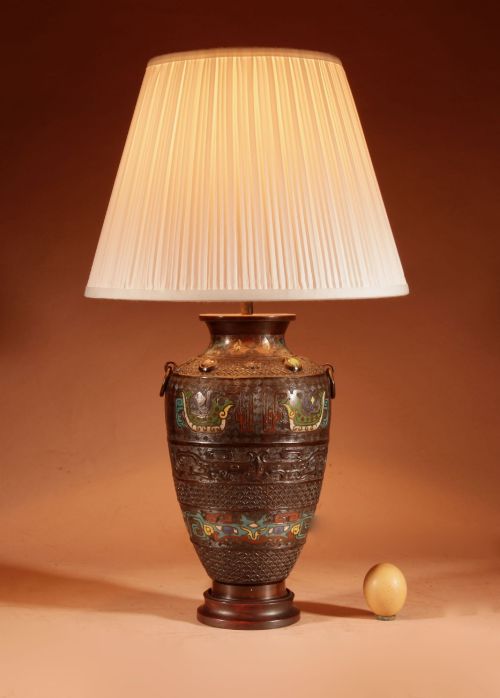
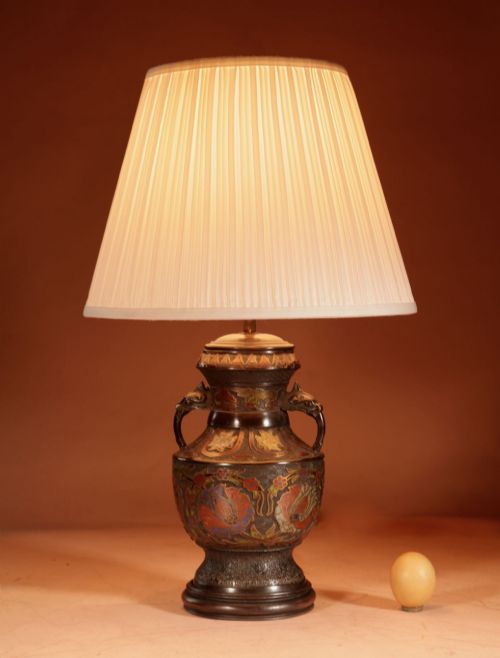
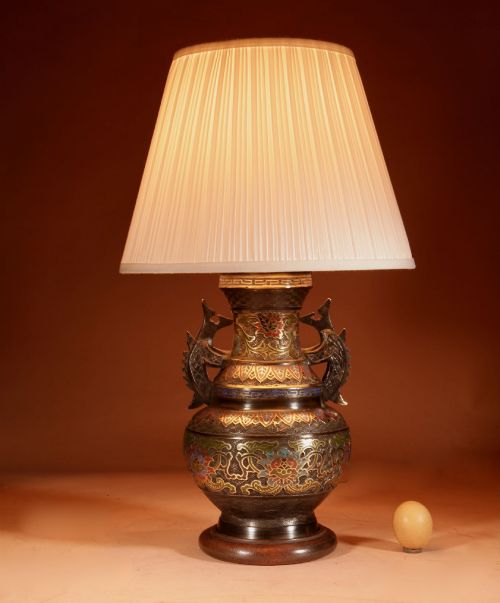
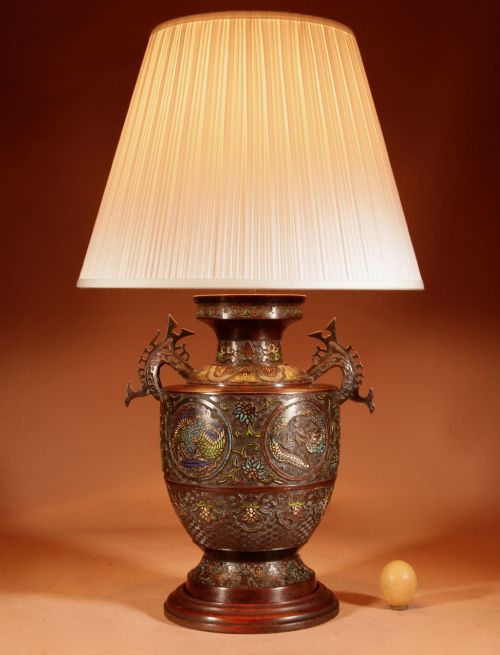
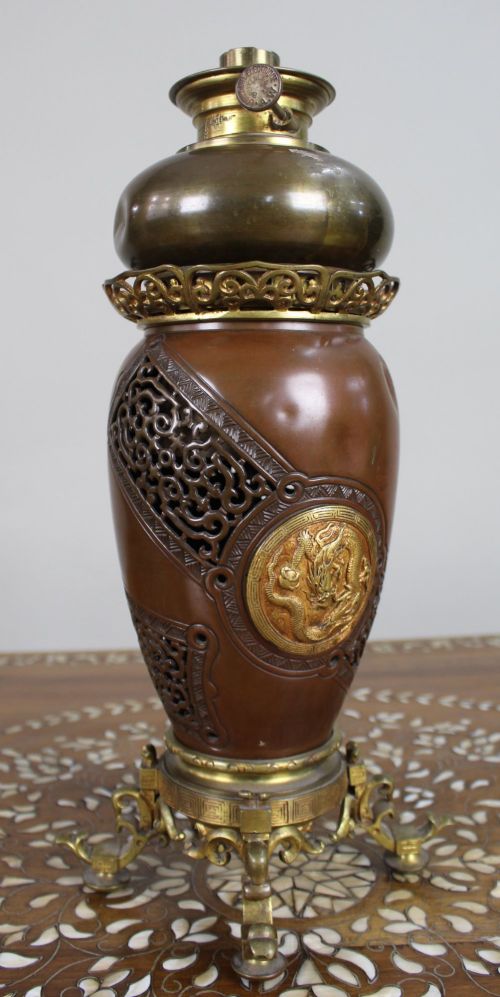
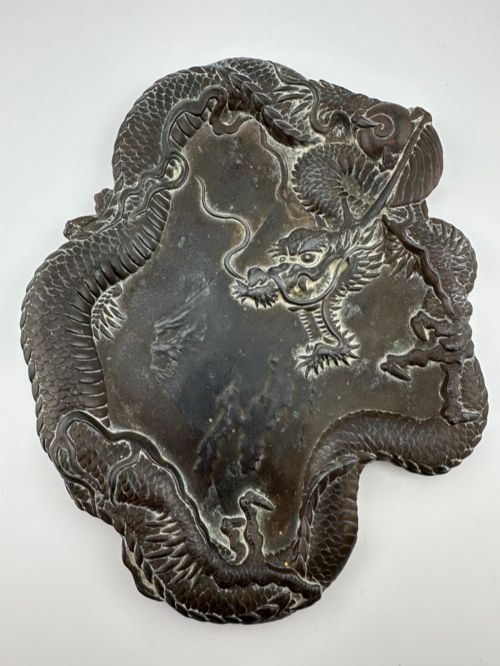
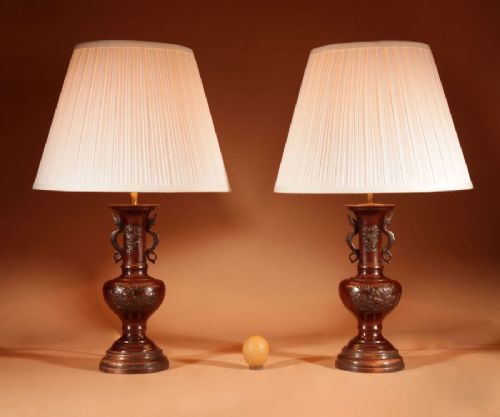
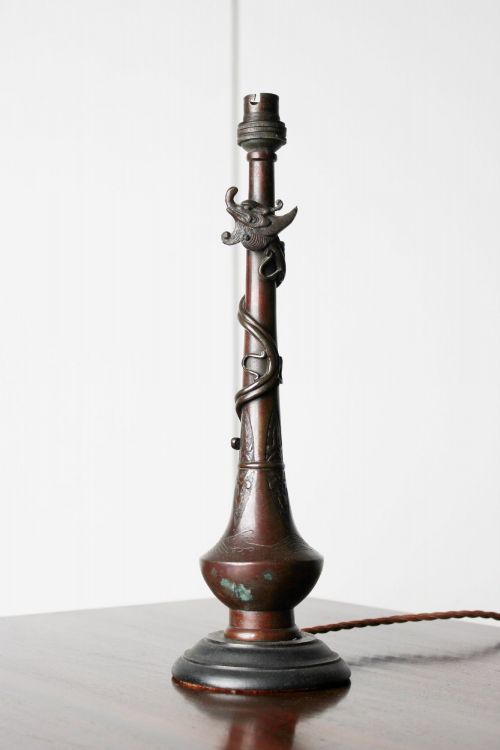
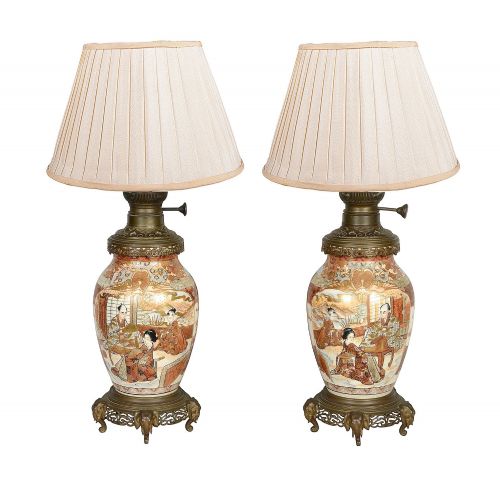
Bronze and brass provide structural and decorative elements, particularly in lamps and trays utilising champlevé and cloisonné enamel work. Porcelain from Satsuma and Kutani also appears frequently, incorporated into lighting or displayed as vases.
Lacquered surfaces show meticulous layering and finishing, creating deep black or coloured sheens on small table cabinets. Patination on bronze items indicates careful chemical treatment of the metal during manufacturing.
Vintage Japanese Desk Retail Price Guide 2026
Typical asking prices for vintage japanese desk among the pieces listed under this phrase on Sellingantiques today, from the lower quarter to the upper quarter. They describe what is for sale here now, not the wider market.
A delightfully carved boxwood toad waits patiently among the paperwork, doubling as an antique paperweight.
Factors of quality and execution
The refinement of surface decoration distinguishes finer examples from simpler production, particularly in the precision of enamel work on bronze or the hand-painted detail on porcelain lamps. Superior pieces display crisp lines in champlevé and well-defined casting on bronze trays and lamps.
Structural integrity in wood items depends on the precision of the joinery and the preservation of carved details without excessive wear. Lacquer work varies according to the depth of finish and the absence of major surface disruption.
The Vintage Japanese Desk Glossary
- Meiji Period
- The era in Japanese history lasting from 1868 to 1912, characterised by extensive international trade and highly detailed metalwork and ceramics. Pieces from this time often exhibit exceptional decorative complexity.
- Champlevé
- An enamelling technique where troughs or cells are sunk into the surface of a bronze or metal object and filled with vitreous enamel before firing. This method creates rich coloured patterns across lamps and decorative vessels.
- Satsuma
- A type of Japanese earthenware featuring a pale, ivory-colored crackle glaze decorated with elaborate enamel and gilt patterns. These ceramics frequently appear converted into table lamps.
- Kodansu
- A traditional small Japanese tabletop cabinet fitted with multiple internal drawers and compartments for storing valuables or stationery. They are typically finished in black lacquer.
- Cloisonné
- An ancient technique for decorating metalwork objects using vitreous enamel held within thin metal wire partitions soldered to the base. It is commonly found on antique bronze lamps.
Vintage Japanese Desk: Frequently Asked Questions
What is a vintage japanese desk?
A vintage japanese desk typically refers to historical writing tables such as calligraphy desks, alongside complementary items designed for a workspace. These pieces bring traditional forms into modern interiors.
Buyers often find related tabletop accessories like lacquer cabinets and bronze paperweights grouped under this heading. Each item reflects specific historical periods of Japanese craftsmanship.
How do I identify a Meiji period piece?
Meiji period items, produced between 1868 and 1912, usually display intricate bronze casting, detailed Satsuma pottery, or fine cloisonné enamel work. These objects often show the opening up of Japanese craftsmanship to global markets.
Examining the depth of the patination and the complexity of the surface decoration helps distinguish this era from later 20th Century productions.
How should I care for lacquer furniture?
Lacquer items require protection from direct sunlight and extreme humidity fluctuations to prevent the surface from drying out or cracking. Dusting gently with a soft, dry cloth maintains the finish without scratching.
Avoid using modern chemical polishes or water on antique lacquer surfaces, as these substances can permanently damage the delicate layers.
Are these items converted for modern use?
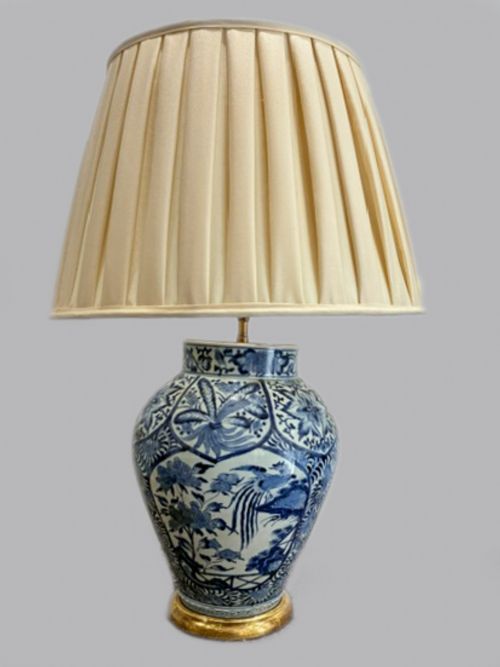
Many decorative objects like vases and jars from the 18th and 19th centuries arrive with electrical fittings added for use as table lamps. This conversion allows historical ceramics to function practically in contemporary lighting schemes.
Original structural elements remain largely intact on writing tables and cabinets, which continue to serve their traditional storage and display purposes.