




Vintage Japanese Decor
Vintage japanese decor brings distinctive craftsmanship into your home through traditional objects spanning the Meiji period and the early twentieth century.
Vintage Japanese Decor
Vintage japanese decor encompasses a variety of traditional items originating from Japan and European adaptations produced during the late nineteenth and early twentieth centuries. These pieces reflect the artistic influences of the Meiji period alongside Edwardian interpretations.
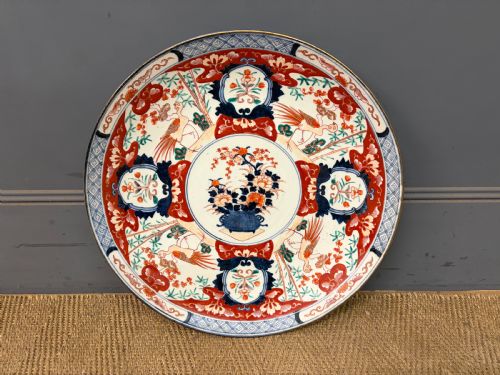
The selection centres on decorative vessels and display items, most notably porcelain Imari plates, chargers, and vases alongside Satsuma and Kutani ceramics. Buyers frequently encounter intricate lacquer sake cups and cloisonne enamel works.
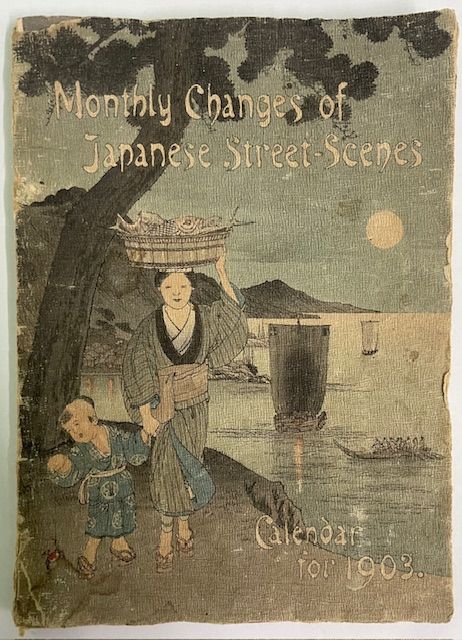
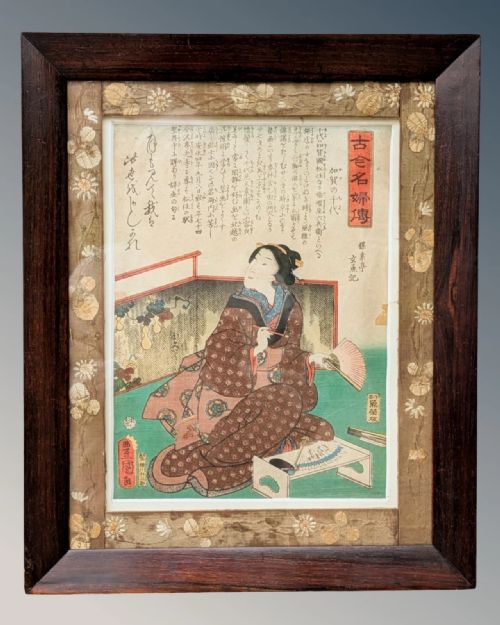
Beyond ceramics, the category includes functional or display objects such as bronze sculptures, woodblock prints, and wall mirrors framed with Asian motifs. Each form demonstrates traditional techniques passed down through generations of artisans.
Materials and Techniques
Ceramic pieces utilise earthenware and porcelain bases, decorated with detailed hand-painted glazes, intricate enamels, and accents of gold leaf. Skilled makers applied pigments meticulously to achieve the characteristic depth seen in Imari and Satsuma wares.
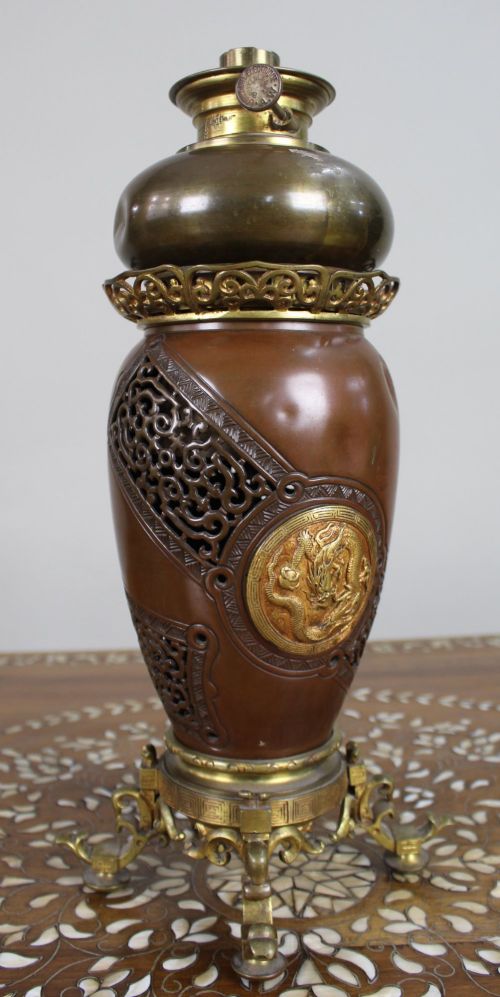
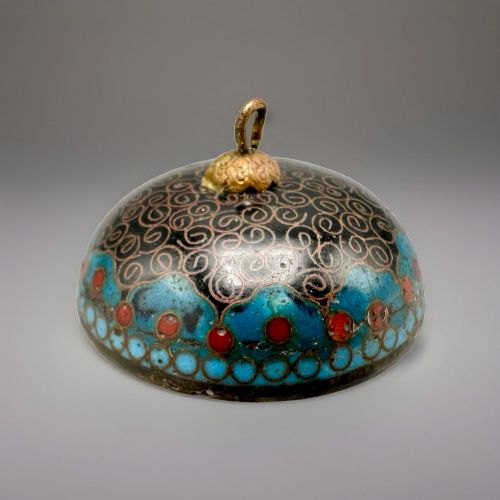
Metalwork items incorporate bronze and copper, often shaped into sculptural forms or utilised alongside glass and wood. Cloisonne enamel pieces require thin wire partitions soldered to a metal body before filling the compartments with coloured paste and firing.
Wood and lacquer items rely on precision woodworking, utilising timber frames and multiple coats of lacquer to produce durable surfaces for items like sake cups and decorative roundels.
Vintage Japanese Decor Retail Price Guide 2026
Typical asking prices for vintage japanese decor among the pieces listed under this phrase on Sellingantiques today, from the lower quarter to the upper quarter. They describe what is for sale here now, not the wider market.
Materials represented include bronze, porcelain, enamel, and wood, combined with gold leaf and silk mounts.
Assessing Quality and Execution
The highest quality vintage japanese decor demonstrates superior brushwork precision and control in painted ceramic details, where lines remain crisp and colours retain harmonious balance. Lesser examples often show rushed application or muddy pigment blending.
In cloisonne enamel and metalwork, excellence reveals itself in the uniformity of the wirework grid and the flawless smoothness of the polished surface. Superior lacquerware exhibits deep, even lustres without surface cracking or uneven pooling.
The structural integrity of frames, mounts, and ceramic bodies distinguishes exceptional survivals from compromised pieces, with finer items retaining their original mountings, gilding, and unblemished surfaces.
Hakusan
The Vintage Japanese Decor Glossary
- Imari
- A style of Japanese porcelain featuring a distinct palette of underglaze blue and iron red, accented with gold. These wares were widely produced for export and domestic display.
- Cloisonne
- A decorative metalwork technique where thin metal wires are soldered to a base to create compartments filled with enamel paste. The piece is then fired and polished to a smooth finish.
- Satsuma
- A type of Japanese earthenware characterised by a warm, ivory-coloured crackle glaze decorated with polychrome enamels and gilt. Kyoto became a notable centre for this production.
- Kutani
- A style of Japanese porcelain known for bold pictorial designs and rich, vibrant colour palettes dominated by greens, blues, yellows, and purples. Pieces often depict natural scenes and figures.
- Meiji Period
- The era in Japanese history spanning from 1868 to 1912, marked by the opening of trade with the West and a flourishing of decorative arts for international export.
Vintage Japanese Decor: Frequently Asked Questions
How do I identify Imari porcelain?
Imari porcelain is easily recognised by its characteristic colour palette, which typically combines underglaze cobalt blue and vibrant iron red with abundant gold leaf detailing. The designs frequently incorporate floral and brocade patterns arranged in symmetrical panels.
Examining the foot ring and weight of the ceramic helps determine its age, as older export pieces often feature dry unglazed rims and heavy, dense porcelain bodies characteristic of the Meiji period.
Where should I display antique Satsuma vases?
Satsuma vases possess intricate, colourful enamel and gilt decoration that benefits from placement in well-lit areas away from direct, harsh sunlight. Displaying them on stable occasional tables or within glass cabinets protects their delicate surfaces from accidental knocks.
Because these earthenware pieces feature a characteristic crackle glaze, keeping them in rooms with stable humidity levels preserves the integrity of the ceramic body and prevents structural stress.
How do I care for lacquer sake cups?
Lacquerware requires gentle handling and should only be cleaned with a soft, dry cloth to remove dust. Avoid using liquid cleaners, abrasive sponges, or immersion in water, as moisture can compromise the traditional wooden base.
Keep lacquer items out of direct sunlight and away from heat sources to prevent the natural resin from drying out, fading, or developing micro-cracks over time.
What defines Meiji period metalwork?
Meiji period metalwork demonstrates exceptional technical mastery in bronze casting, patination, and intricate cloisonne enamel application. Artisans achieved remarkable realism and textural contrast in sculptural pieces and wall plaques.
These items often carry signature panels or seals embedded in the metal base, reflecting the pride of individual workshops operating during an era of rapid artistic exchange.