



Vintage Italian Silver
Vintage italian silver encompasses diverse decorative objects, mirrors, and tableware shaped by centuries of craftsmanship, offering elegance and functional beauty to collectors.
Vintage Italian Silver
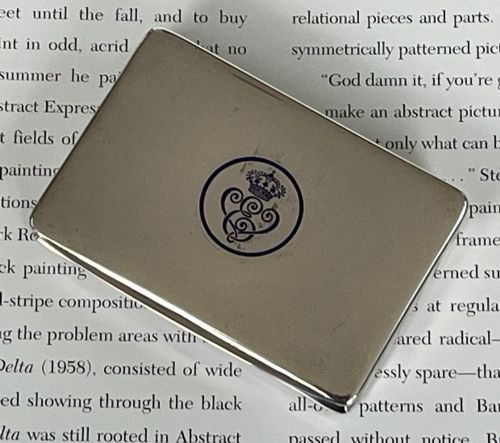
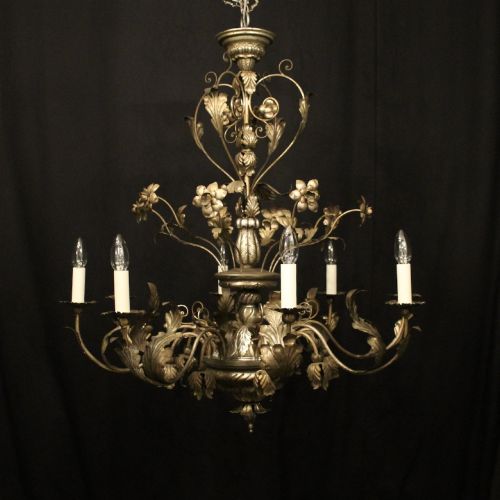
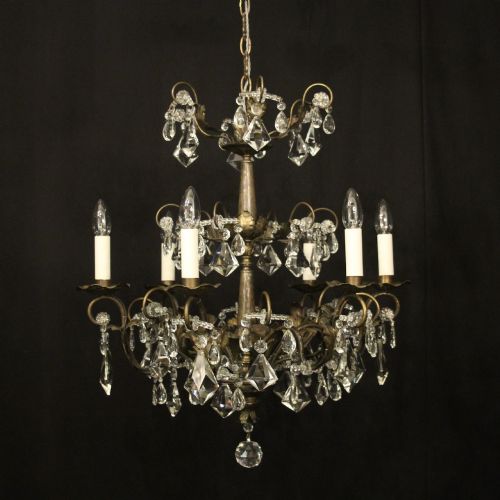
When you examine vintage italian silver, you encounter a broad range of forms including wall mirrors, chandeliers, picture frames, and barware. The pieces span periods from the nineteenth century through the mid-century modern era, reflecting distinct regional designs.
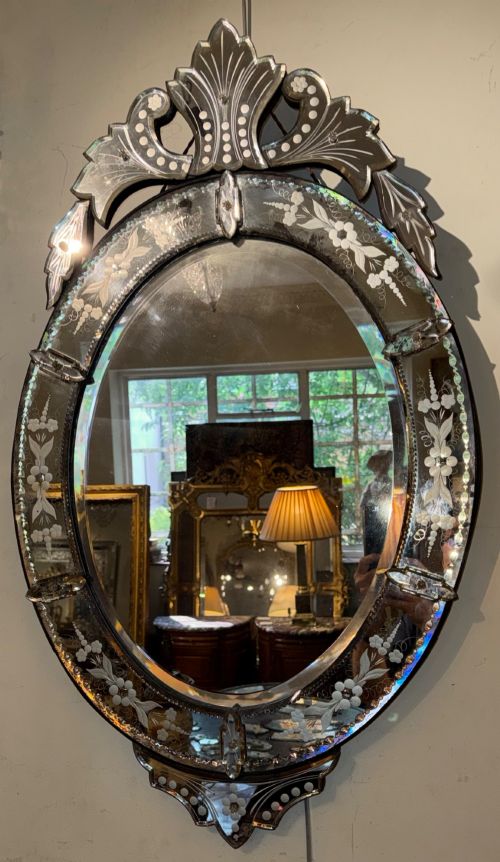
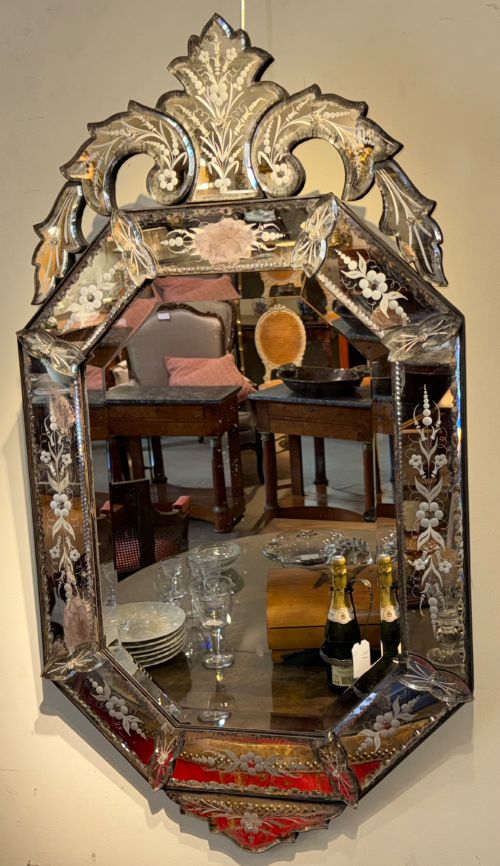
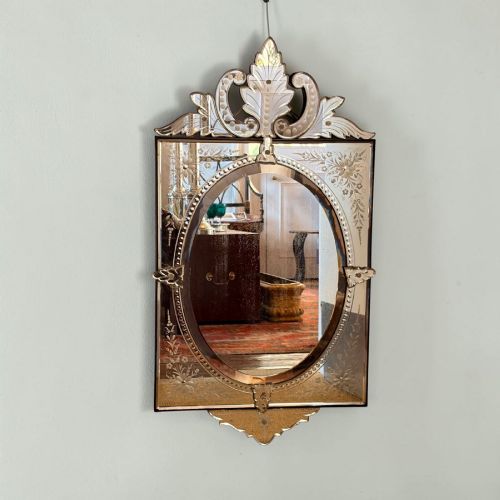
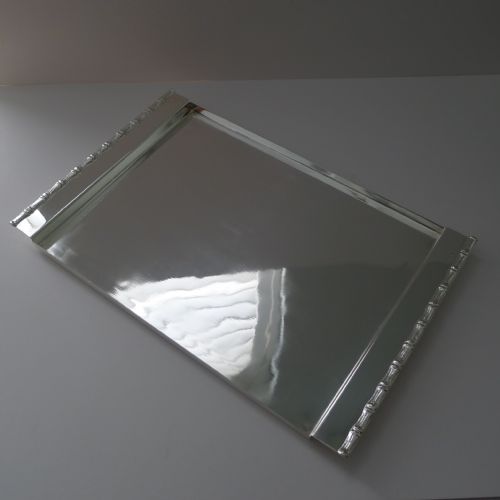
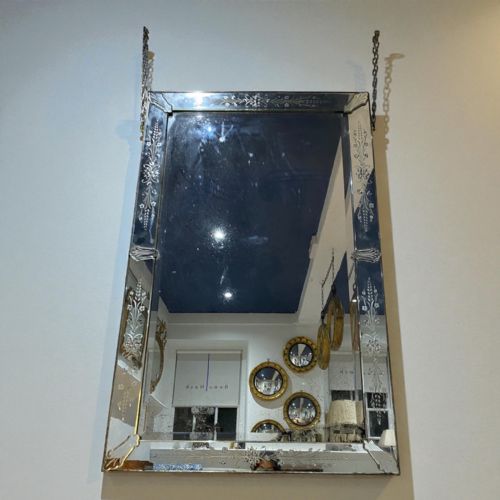
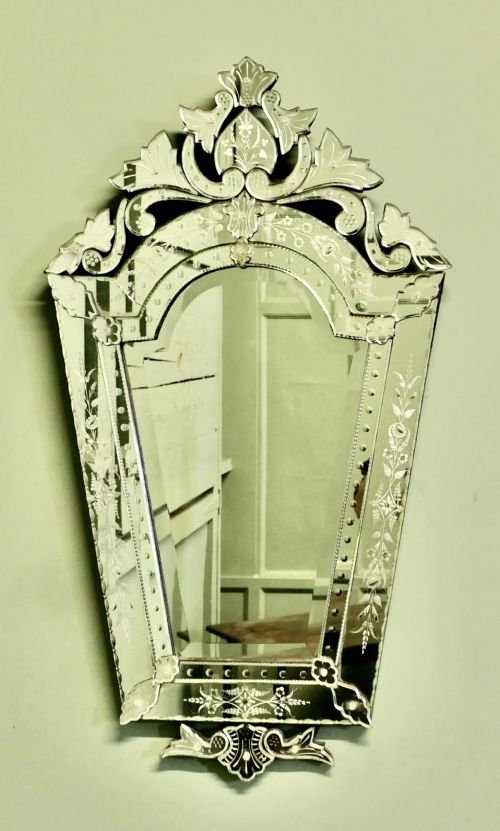
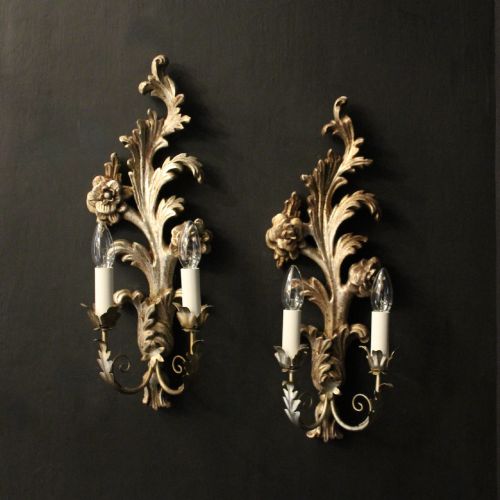
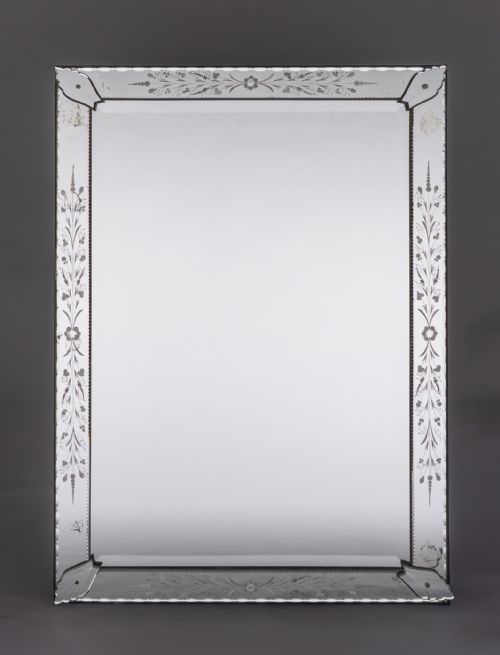
Mirrors of Venetian origin and Florentine giltwood wall lights appear frequently alongside silver plated trays, candelabra, and intricate sculptures. These items serve both ornamental and practical functions within traditional and modern interiors alike.
The selection ranges from early twentieth-century domestic items to mid-century cocktail shakers and tableware. Each category demonstrates specific stylistic traits tied to Italian workshops and silversmiths.
How they were made
Makers utilise solid silver, often of 800 grade, alongside silver plate, giltwood, and mirrored glass. Techniques involve hand carving wood, engraving glass plates, and casting metal into detailed forms such as animal sculptures and decorative frames.
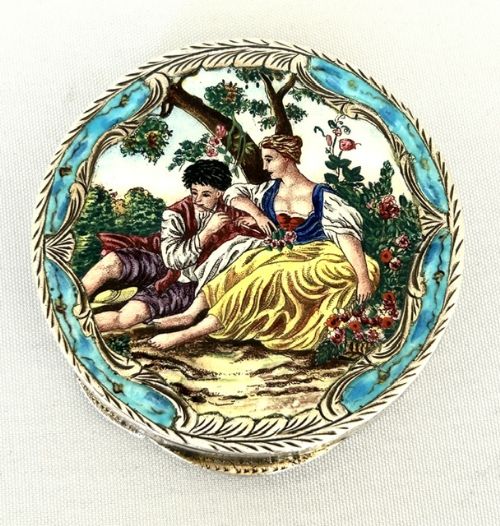
Gilding and silver leaf application enhance wooden frames and wall lights, while crystal and enamel integrate with metalwork on chandeliers and compacts. Artisans shape trays and holloware through hammering and soldering processes.
Vintage Italian Silver Retail Price Guide 2026
Typical asking prices for vintage italian silver among the pieces listed under this phrase on Sellingantiques today, from the lower quarter to the upper quarter. They describe what is for sale here now, not the wider market.
Several silver animal models appear here, including swimming swan sea shells and gleaming lion fish.
What varies in quality
The distinction between tiers rests upon the precision of hand carving, the depth of glass engraving, and the purity of the metal. Superior items display crisp detailing on cast figures and well-preserved silver surfaces.
Workmanship in the assembly of multi-light chandeliers and the retention of original silver leaf or gilding dictate overall desirability. Pieces bearing clear maker marks or retail signatures command attention for their documented origins.
Pinci Roma·Calderoni Gioielli·Lino Sabattini For Christofle·Mario Bucellati·Angelletti Rome·Gucci Italy
The Vintage Italian Silver Glossary
- Silver plate
- Base metal coated with a thin layer of silver through electroplating or older techniques. This method provides the appearance of solid silver at a different weight.
- Giltwood
- Wood that has been coated with gold leaf or powder. It forms the structural base for many ornate Florentine wall lights and decorative frames.
- Ex Voto
- A votive offering placed in a sacred place for devotional purposes. Italian examples often take the form of metal hearts.
- Cushion mirror
- A looking glass with a convex profile frame that directs reflections at various angles. These pieces originate frequently from Venetian workshops.
- Eighty-hundred silver
- An alloy containing eighty percent pure silver and twenty percent other metals, predominantly copper. This standard appears commonly on continental European tableware and decorative objects.
Vintage Italian Silver: Frequently Asked Questions
How do I clean vintage italian silver?
Use a soft cloth and a gentle, non-abrasive silver cleaner designed for delicate surfaces. Avoid harsh scrubbing that might damage thin plating or applied silver leaf.
Take particular care around glass elements, enamel panels, and giltwood frames to prevent moisture and cleaning agents from seeping into joints or backing materials.
What is 800 grade silver?
The 800 grade denotes an alloy containing eighty percent pure silver by weight, with the remainder usually copper. This standard was widely utilised across continental Europe for holloware and decorative items.
It provides greater durability than sterling silver while maintaining a bright metallic appearance suitable for detailed chasing and casting.
How do I identify Venetian mirrors?
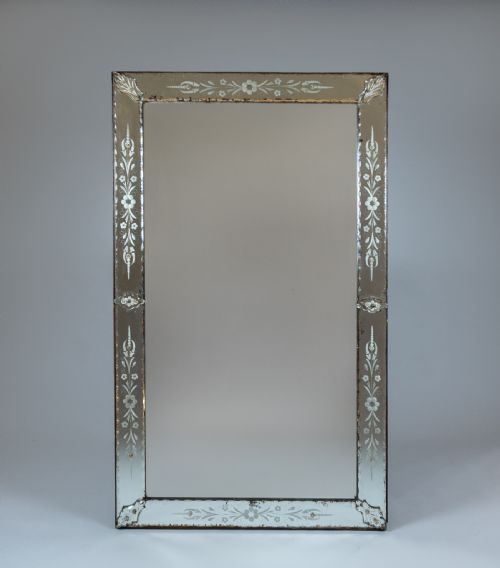
Venetian mirrors typically feature etched glass panels, floral motifs, and frames composed of segmented mirrored glass pieces held together with decorative rosettes. They often display cushion profiles.
Examining the reverse side and the bevel style helps determine the period, with older examples showing hand-beveled edges and foxed reflection plates.
Where were Florentine wall lights placed?
Florentine wall lights and sconces were traditionally mounted in principal reception rooms to provide ambient illumination alongside chandeliers. Their carved and giltwood arms reflected candle or gas light.
Today, they function effectively in hallways, dining rooms, and living spaces as decorative wall art that incorporates historical lighting forms.