



Vintage Italian Pottery
Vintage Italian pottery brings colour and historical depth into a room, spanning hand-painted pharmacy jars, chargers, and decorative planters from past centuries.
Vintage Italian Pottery
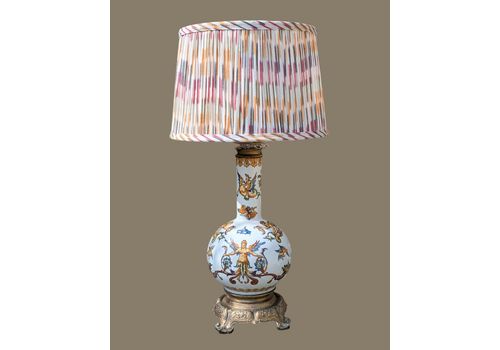
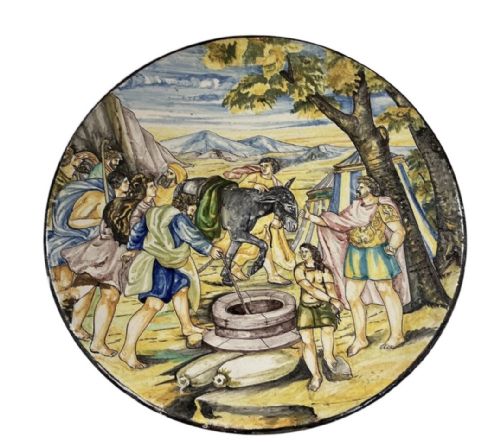
When you search for vintage Italian pottery, you encounter a varied assortment of decorative and utilitarian ceramics ranging from 18th-century apothecary vessels to 20th-century centrepiece bowls and table lamps. The pieces on this page most commonly appear as tin-glazed earthenware items, including albarello pharmacy jars and large wall chargers decorated in traditional regional styles.
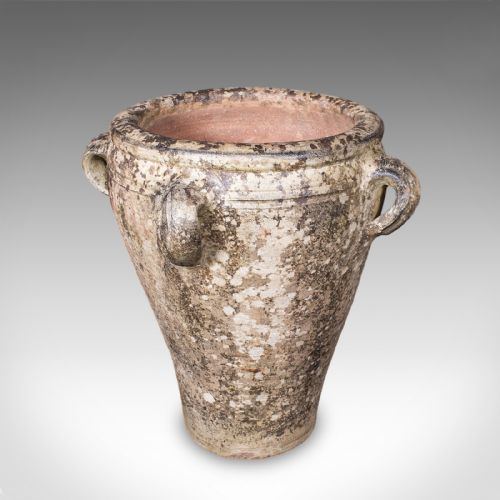
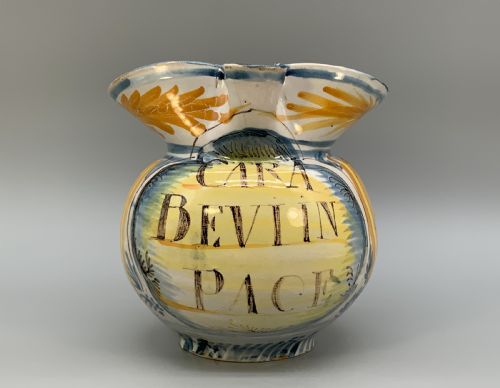
The selection extends from Renaissance Revival pieces and Tuscan rustic planters through to Art Nouveau and Art Deco designs by notable makers. Forms include handled jugs, garden planters, and framed ceramic tiles, reflecting centuries of workshop traditions across Italy.
The historical spread covers 18th-century pieces, Victorian-era items, and early 20th-century works from the 1910s to the 1930s. Buyers frequently find both individual decorative objects and matched pairs intended for display on tables or wooden bases.
How they were made
Potters shaped earthenware, terracotta, and ceramic bodies by hand or on the wheel before applying tin glazes to create a smooth, opaque white surface suitable for painting. Artisans used polychrome, manganese, and yellow pigments to hand-paint intricate surface designs, drawing on traditions of Italian maiolica and faience.
Certain items incorporate mixed media, such as ceramic figures mounted on wooden bases or fitted with brass elements. Firing techniques and glaze compositions varied by period, producing the distinct tin-glazed finishes seen on apothecary jars and chargers.
Vintage Italian Pottery Retail Price Guide 2026
Typical asking prices for vintage italian pottery among the pieces listed under this phrase on Sellingantiques today, from the lower quarter to the upper quarter. They describe what is for sale here now, not the wider market.
Listings span earthenware, terracotta, and ceramic, covering centuries from the 18th century through to 1930.
What varies in quality
The quality of vintage Italian pottery rests on the precision of the hand-painted decoration, the complexity of the polychrome palette, and the fidelity to historical styles such as Urbino or Garofano. Masterworks from established workshops display finer brushwork and more sophisticated glaze control than simpler utilitarian wares.
The condition of the tin glaze and the integrity of the earthenware body also determine the standing of a piece. Garden planters and utilitarian jars often show more weathering and glaze loss from active use, whereas decorative chargers and studio pieces frequently retain crisper surfaces.
Gallilleo Chini for Mugello·Cantagalli·Guido Cacciapuoti·Bassano pottery works·Gio Ponti For Richard Ginori
The Vintage Italian Pottery Glossary
- Maiolica
- Tin-glazed Italian earthenware decorated with opaque colourful glazes. It has a long history of production spanning the Renaissance to later revival periods.
- Albarello
- A cylindrical earthenware jar used by apothecaries to store drugs and ointments. These pieces often feature painted label panels amidst foliate decoration.
- Charger
- A large decorative plate intended for display on a wall or sideboard rather than for dining. They frequently showcase pictorial scenes or heraldic motifs.
- Faience
- Tin-glazed pottery originating in or imitating the styles of European earthenware production. The technique creates a white background for hand-painted pigments.
- Garofano
- A traditional decorative pattern featuring stylized carnation motifs. This motif appears frequently on classic Italian vessel forms.
Vintage Italian Pottery: Frequently Asked Questions
How do I identify an 18th-century apothecary jar?
Eighteenth-century apothecary jars, or albarelli, typically feature tin-glazed earthenware bodies with hand-painted blue and white or polychrome drug labels. They often display signs of age, such as glaze craquelure and historical wear around the rims.
Examination of the base and interior glaze can also provide clues to their period of manufacture. Earlier pieces frequently show heavier potting techniques compared to later 19th-century reproductions.
What is the difference between maiolica and faience?
Maiolica specifically refers to tin-glazed earthenware made in Italy, famous for its vibrant pigments and Renaissance traditions. Faience is a broader European term for similar tin-glazed pottery produced outside Italy or in imitation of Italian styles.
Both types utilise an opaque white glaze layer that accepts hand-painted decoration before firing. Regional workshops in Italy developed distinct local variations of these techniques over centuries.
How should I display a large ceramic charger?
Large ceramic chargers are best displayed using sturdy wall mounting brackets or dedicated plate stands designed for heavy earthenware. Placing them away from high-traffic areas protects the tin glaze from accidental knocks.
Ensure that any wooden bases or mounting hardware complement the ceramic body without causing friction damage. Proper support preserves the structural integrity of these historical display pieces.
Are Art Deco Italian ceramics different from earlier styles?
Art Deco Italian ceramics introduce stylised animal figures, geometric forms, and modern colour palettes distinct from traditional Renaissance revival motifs. Makers in the 1920s and 1930s combined traditional earthenware techniques with contemporary sculptural designs.
These later pieces often feature artist signatures or factory marks from prominent interwar potteries. They reflect a shift towards decorative interior objects mounted on bespoke wooden bases.