


Vintage Italian Marble
These vintage italian marble pieces bring classical heft and carved detail into a room, spanning grand tour souvenirs and sturdy furniture tops.
Vintage Italian Marble
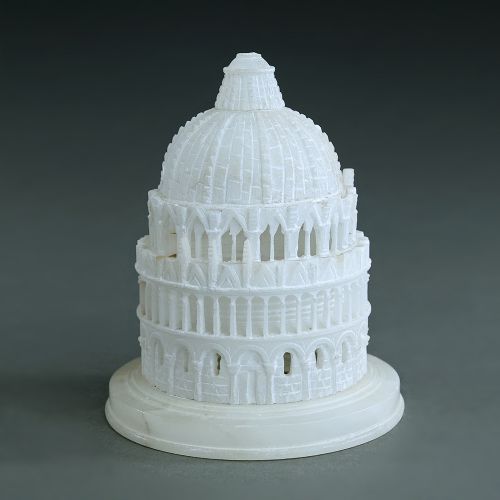
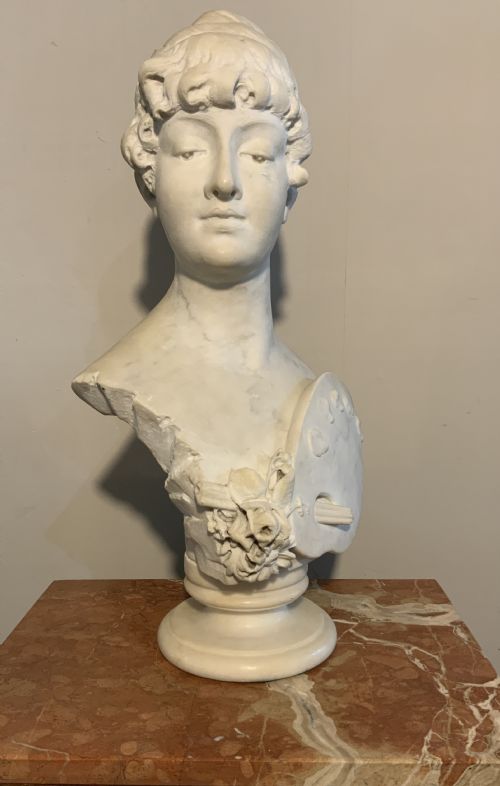
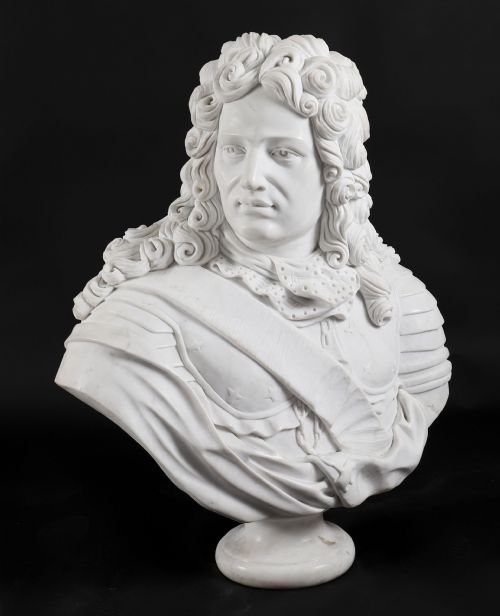
Vintage italian marble objects encompass a wide range of items, from architectural models and portrait busts to functional furniture like console tables and bedside cabinets. When searching for vintage italian marble, buyers frequently encounter 19th-century Grand Tour souvenirs, carved alabaster lamps, and robust tables featuring inset stone surfaces.
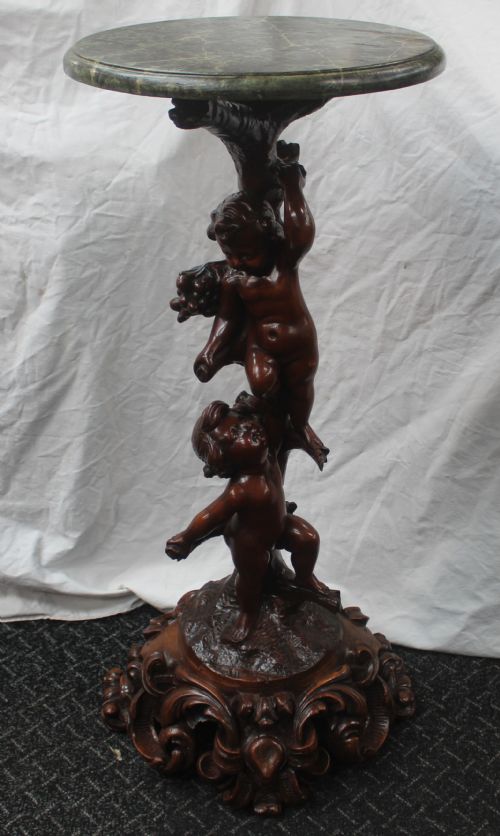
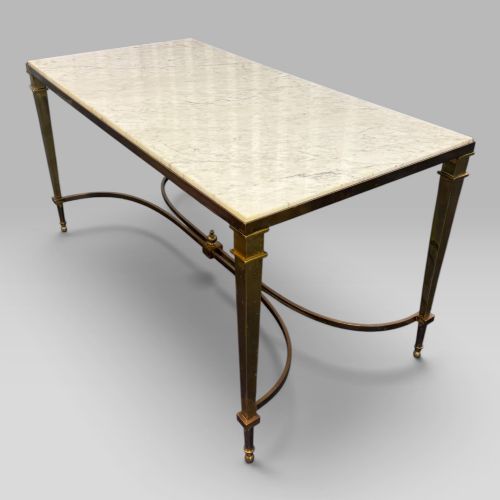
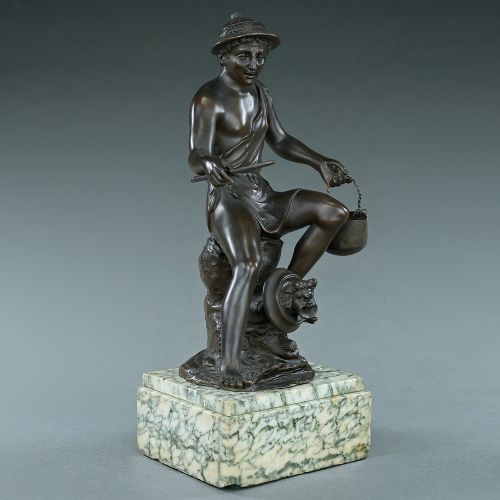
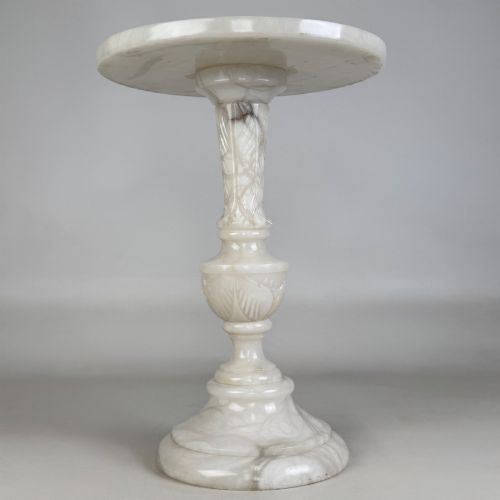
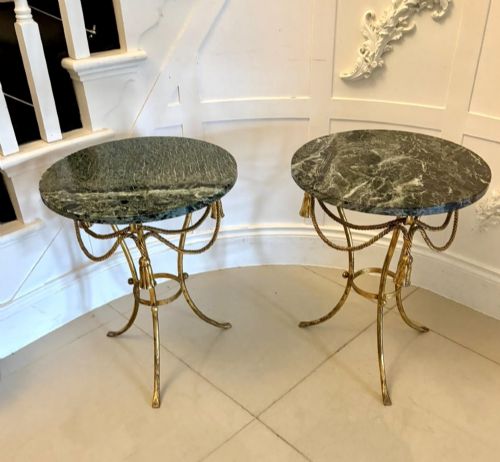
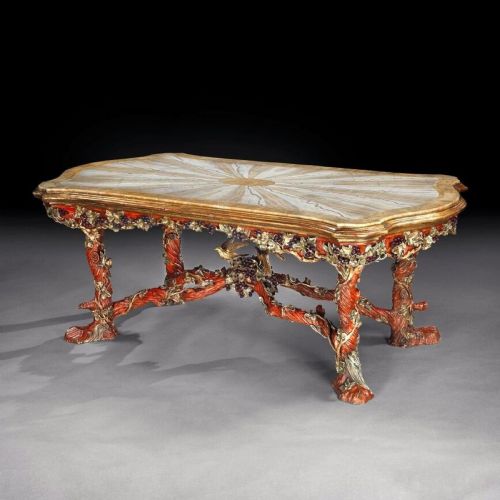
The selection on this page leans heavily into decorative sculptures, specimen marble studies of animals, and occasional pieces such as tazzas and chambersticks. Furniture forms range from walnut and kingwood side tables with pink Salome or verde marble tops to large painted console tables and serpentine designs.
Origins stretch across various Italian workshops and periods, incorporating neoclassical revival styles alongside later Art Deco interpretations. Whether selecting a small framed pietra dura panel or massive garden lions, each object demonstrates the enduring appeal of carved stone and alabaster.
How they were made
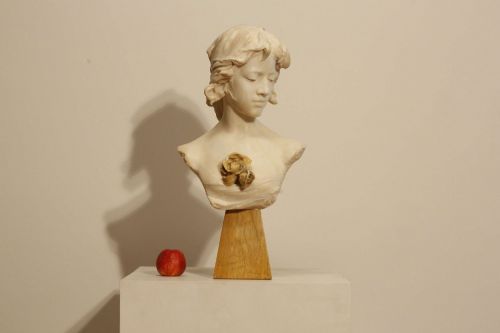
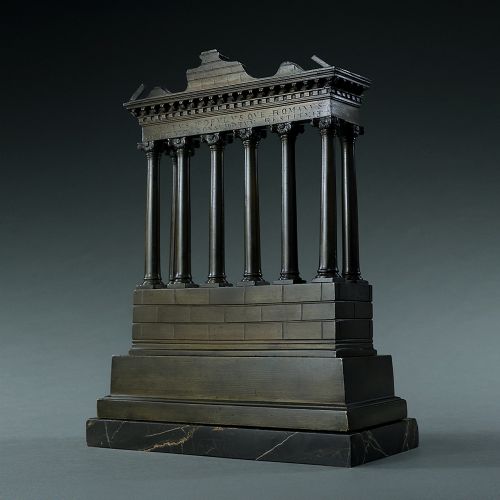
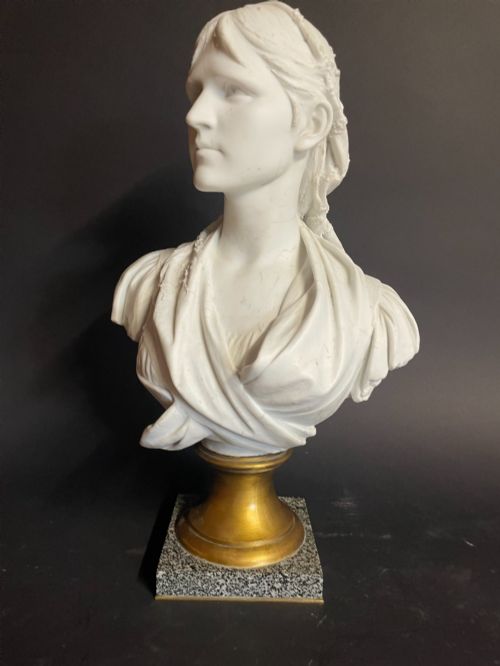
Carvers shaped these items using fine-grained Carrara, Siena, and variegated marbles alongside softer alabaster and onyx. Artisans employed hand chisels and drills to achieve deep relief work on portrait busts, architectural models of Forum temples, and figurative sculptures.
Metal elements such as bronze, brass, and silvered or gilt bronze frequently complement the stone work, serving as mounts for marble plinths, fountain figures, and lamp bases. Wood carvers and cabinetmakers integrated stone tops into walnut, kingwood, and painted frames using traditional joinery.
Vintage Italian Marble Retail Price Guide 2026
Typical asking prices for vintage italian marble among the pieces listed under this phrase on Sellingantiques today, from the lower quarter to the upper quarter. They describe what is for sale here now, not the wider market.
What varies in quality
The finesse of the carving dictates the distinction between standard decorative items and exceptional sculptural works, particularly in facial expressions on busts and the crispness of architectural details on Grand Tour models. Smoother polish, more intricate inlay work on pietra dura panels, and the careful matching of variegated marble grain elevate certain pieces above others.
The integration of secondary materials plays a part in the overall standard, such as the weight and casting quality of companion bronze figures mounted on marble bases. Structural integrity in heavier furniture pieces, including inlaid circular tables and console frames, ensures the stone top remains properly supported.
Amleto Bertoni·Antonio Frilli·Minton
The Vintage Italian Marble Glossary
- Grand Tour
- A traditional trip through Europe undertaken by upper-class young men in the 18th and 19th centuries, resulting in the acquisition of art and architectural souvenirs.
- Pietra dura
- An artistic technique using cut and fitted polished coloured stones to create geometric or pictorial designs.
- Alabaster
- A fine-grained, translucent stone often used for carved sculptures, lamps, and architectural models.
- Tazza
- A shallow saucer-like dish mounted on a stem and foot, frequently carved from marble or stone.
- Serpentine
- A greenish mineral with a mottled appearance resembling snakeskin, often utilised for decorative table tops.
Vintage Italian Marble: Frequently Asked Questions
What periods do these pieces come from?
The inventory spans the 18th, 19th, and early 20th centuries, with strong representation from the Victorian and Edwardian eras. Many objects date specifically from the mid to late 19th century during the height of Grand Tour collecting.
Later examples extend into the 1920s and 1930s, incorporating Art Deco styles in alabaster sculptures and lighting. Earlier 18th-century pieces generally appear as painted console tables.
What kinds of marble are used?
Makers utilised a variety of stones, most notably white Carrara marble and yellow-toned Siena marble. Variegated marbles and pink Salome marble frequently appear on furniture tops and architectural columns.
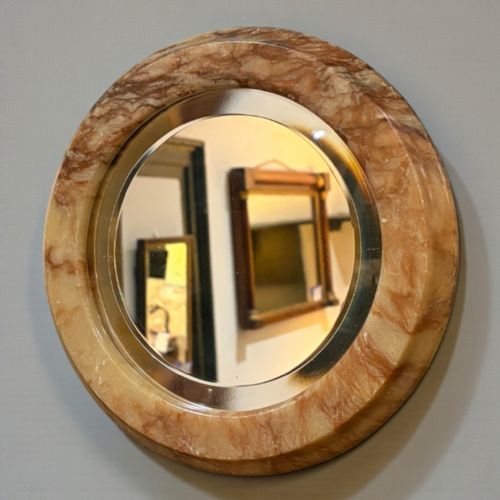
Alabaster and onyx were also selected for items requiring translucency, such as table lamps, wall mirrors, and small carved animals.
How should I care for marble furniture?
Stone and marble surfaces require gentle cleaning with a soft cloth and neutral soap to protect the polished finish. Avoid acidic liquids and harsh chemical cleaners that can etch the stone over time.
Heavier furniture pieces with marble or onyx tops benefit from secure placement on level floors to prevent stress fractures in the stone.