


Vintage Italian Jewellery
Vintage Italian jewellery brings together hand-carved shells, rich gold work and striking micro mosaics spanning multiple centuries of craftsmanship.
Vintage Italian Jewellery
The pieces reflect distinct stylistic movements such as the Victorian Grand Tour, Art Deco and Italian Modernist design. Mid-century gold pieces and carved agate or shell cameos feature prominently among the items available on this page.
Origins span notable Italian centres including Venice, Sorrento and Rome, capturing centuries of regional artistry. Collectors seek these items for their distinct aesthetic qualities and traditional manufacturing techniques.
How they were made
The makers utilised precious metals such as 18ct yellow gold, 18ct white gold, 800 silver and gilt metal as foundations for gemstones, diamonds, sapphires and enamel. Shell and agate served as primary materials for carved cameos, while micro mosaic tesserae created detailed pictorial scenes.
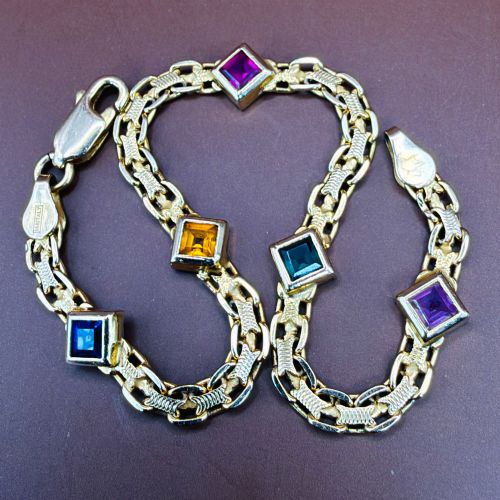
Craftsmen shaped gold into wide tank bracelets, scrolled open work cluster rings and delicate settings using traditional bench techniques. Lacquer, oak, olive wood and Capodimonte porcelain appeared in larger boxes and caskets alongside the wearable items.
An Air Force FIM wings crown charm pendant proves that even mid-century military pride received a luxurious Italian gold treatment.
What varies in quality
Quality rests upon the precision of the hand-carving in shell and agate cameos, where depth and expression define the work of master artisans. Metalwork complexity also separates standard pieces from exceptional items, particularly in open work cluster rings and wide tank bracelets.
The integration of gemstones, diamonds and enamel work dictates the overall standard of finishing. Finer pieces demonstrate superior stone selection, secure prong settings and meticulous enamel application that withstands decades of wear.
Kria Gioielli·R Pernice·Le Gi Italy·Gucci Italy
The Vintage Italian Jewellery Glossary
- Cameo
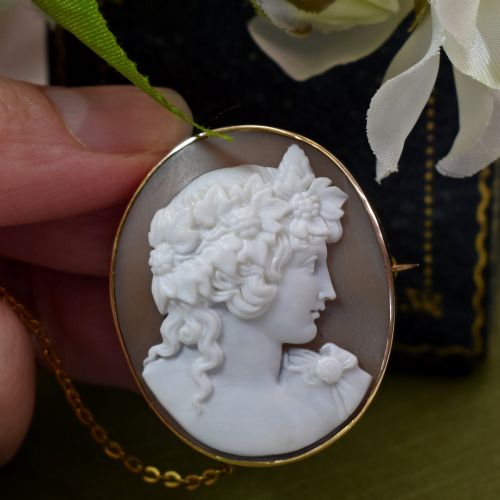
- A method of carving an object such as a shell or stone where a relief image stands out distinctly from a contrasting background. These frequently depict classical profiles or mythological figures.
- Micro mosaic
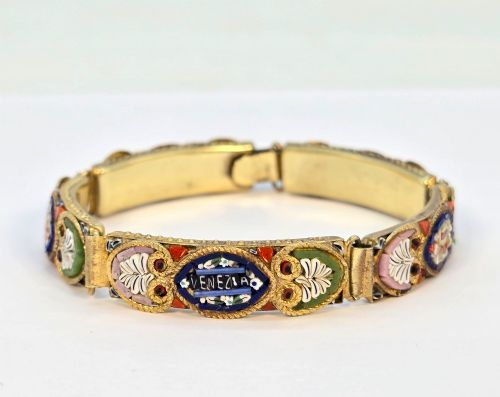
- A technique involving tiny pieces of coloured glass, known as tesserae, assembled together to form detailed pictorial scenes. These are often set into brooches and bracelets.
- Tank bracelet
- A bold, chunky bracelet style popular during the mid-century period, characterised by interlocking gold links resembling military vehicle treads. They showcase substantial 18ct gold construction.
- Grand Tour
- A cultural phenomenon of the 19th century where travellers collected souvenirs such as mosaics and cameos in Italy. These items remain highly collectible today.
- Capodimonte porcelain
- A type of fine ceramic originating from Naples, featuring detailed sculptural forms. It is occasionally incorporated into decorative table caskets and boxes.
Vintage Italian Jewellery: Frequently Asked Questions
How do I date vintage Italian jewellery?
Dating relies upon stylistic markers such as Art Deco geometric lines, mid-century tank bracelet forms and Victorian Grand Tour subjects. Hallmarks and material choices also provide clear chronological indicators.
Examining the construction methods and clasps helps distinguish older Victorian pieces from later mid-century examples.
What materials are common in Italian cameos?
Carvers typically utilised layered shell, such as sardonyx or helmet shell, alongside agate for cameos. These natural materials allowed artisans to create striking contrast between the white relief and darker background.
Gold frames frequently enclose these carved elements, securing them as brooches or pendants.
How should I care for shell cameos?
Shell cameos require gentle cleaning with a soft, dry cloth to remove dust and oils. Harsh chemical cleaners and ultrasonic baths will damage the organic structure of the shell.
Store them separately from harder gemstones to prevent surface scratching.
What is a micro mosaic?
A micro mosaic is a detailed artwork composed of thousands of minuscule glass pieces called tesserae. Artisans arranged these coloured fragments by hand to depict architectural landmarks or floral motifs.
These tiny assemblies were then mounted securely into gold or gilt metal frames.
Are mid-century Italian gold pieces marked?
Many mid-century Italian items feature purity stamps such as 750 or specific maker marks indicating 18ct gold content. These stamps reflect Italian manufacturing regulations of the period.
Checking the reverse or interior surfaces of bracelets and rings usually reveals these maker details.