





Vintage Ironstone Pottery
These vintage ironstone pottery vessels and wares offer robust utility and striking transfer-printed decoration, built to withstand daily use while anchoring a room with period character.
Vintage Ironstone Pottery
Vintage ironstone pottery encompasses heavy earthenware and ceramic wares produced primarily through the nineteenth and early twentieth centuries, spanning the Georgian, Victorian, and Edwardian eras. Buyers searching this phrase encounter a dense selection of functional vessels and serving pieces, dominated by jugs, plates, cheese domes, and wash basin bowls.
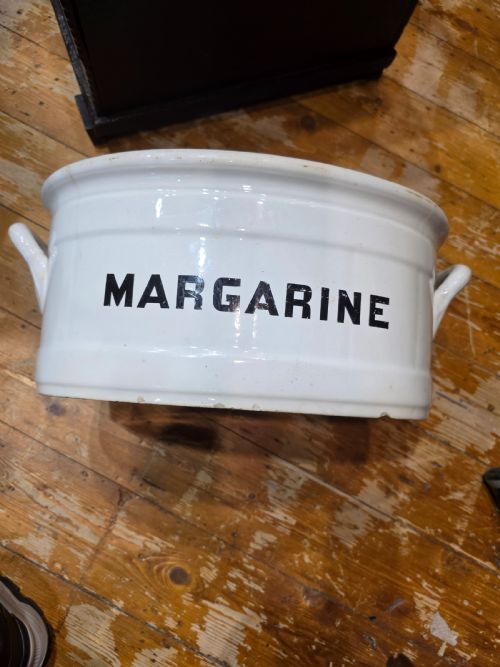
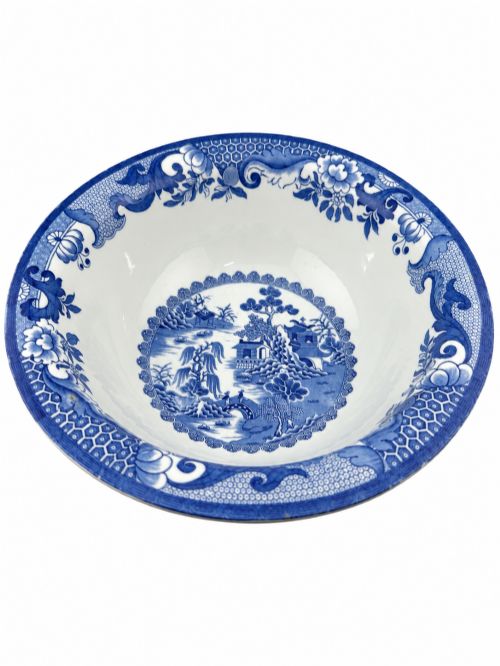
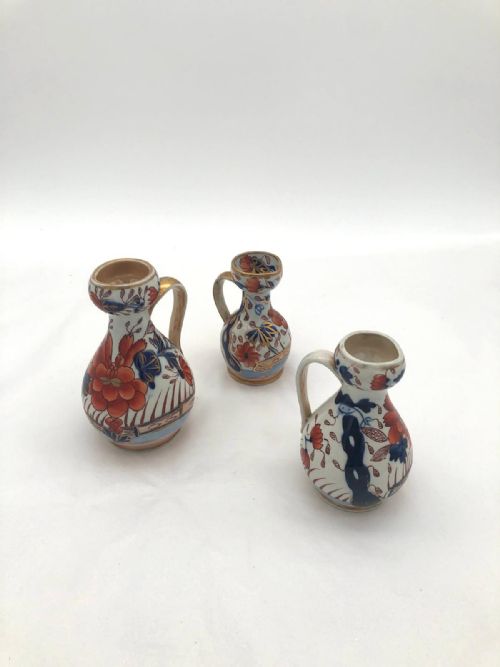
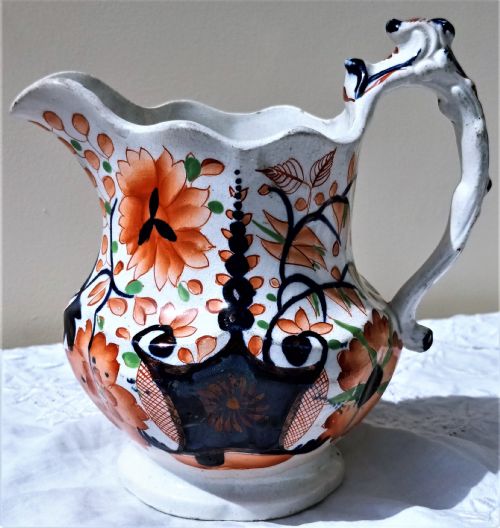
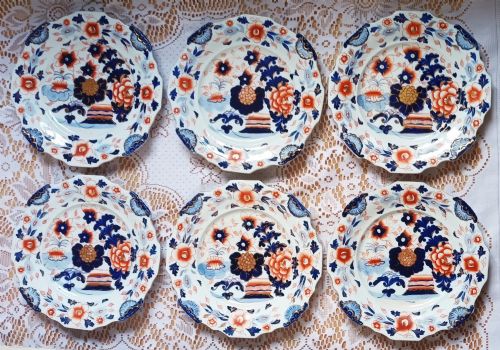
The objects on this page range from plain white commercial pieces designed for dairies and grocers to deeply coloured decorative items featuring Chinoiserie, Imari, and Japan patterns. Jugs and octagonal forms appear frequently alongside large chargers, dessert dishes, and lidded tureens complete with ladles.
Origins stretch across classic English workshops and potteries, taking in specialised utility items like advertising scale plates and officers mess bowls alongside domestic tableware. Whether selecting a single fruit comport or a matched set of graduated hydra jugs, collectors find sturdy items built for both display and service.
How vintage ironstone pottery was made
Potters created ironstone by combining dense clay, feldspar, and flint to produce a heavy ceramic body that bridged the gap between earthenware and porcelain. This durable paste allowed manufacturers to throw or mould thick-walled vessels capable of resisting chips and thermal shock.
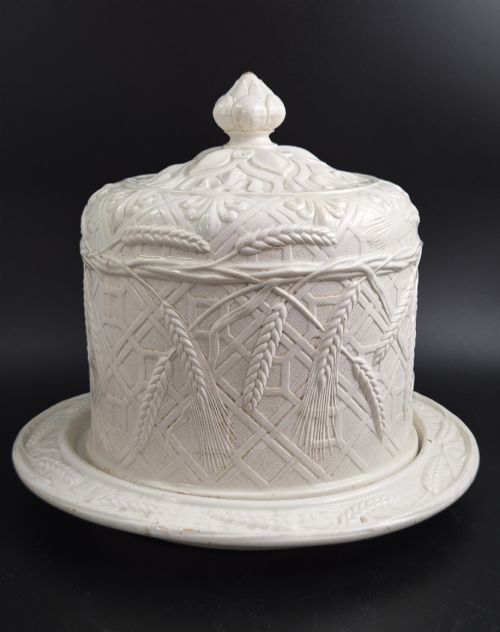
Decoration relied heavily on blue and white transfer printing, hand-applied polychrome enamels, and accents of gold leaf over a smooth glaze. Potters used specialised ironstone bodies to hold crisp surface details, from moulded wheat and lattice motifs to intricate Pagoda and Chinoiserie scenes.
Vintage Ironstone Pottery Retail Price Guide 2026
Typical asking prices for vintage ironstone pottery among the pieces listed under this phrase on Sellingantiques today, from the lower quarter to the upper quarter. They describe what is for sale here now, not the wider market.
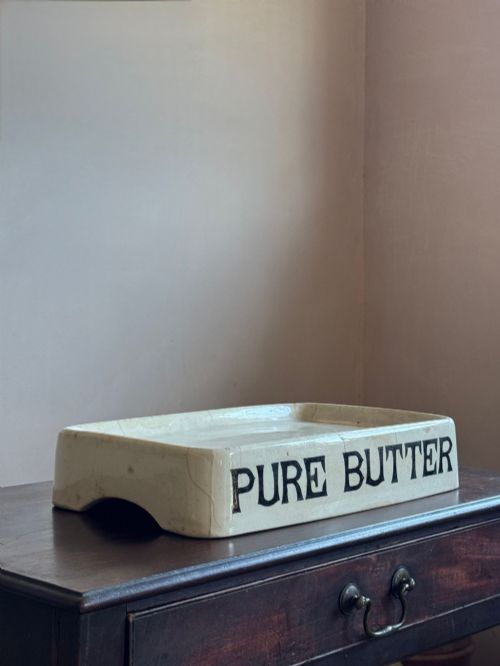
A grocer slab for pure butter brings nineteenth-century dairy operations straight to the modern kitchen counter.
What varies in quality
Quality in these ceramics rests upon the crispness of the moulded relief and the precision of the glaze application. Superior pieces display sharp, clean lines in patterns like Chinoiserie or Hydra handles without blurring or pooling in the recesses.
The depth and vibrancy of hand-painted enamel colours and the careful application of gold leaf elevate certain service dishes and chargers above plain commercial utility wares. Additionally, the crisp preservation of transfer prints across complex forms like lidded tureens and cheese domes signals superior workshop execution.
Mason s·Livesley Powell and Co·Davenport·Copeland
The Vintage Ironstone Pottery Glossary
- Ironstone
- A heavy, durable ceramic material patented in the nineteenth century to imitate porcelain while offering superior strength.
- Chinoiserie
- European decorative motifs inspired by Chinese artistic traditions, frequently featuring pagodas, exotic birds, and landscapes.
- Comport
- A decorative pedestal dish or bowl used for serving fruit or sweets at the table.
- Hydra
- A distinctive style of moulded pitcher handle taking its name from classical mythology, often seen on nineteenth-century jugs.
- Transfer print
- A decorative technique where an engraved copper plate transfers a design onto paper and then onto the ceramic body before glazing.
Vintage Ironstone Pottery: Frequently Asked Questions
What is ironstone pottery?
Ironstone is a dense, heavy ceramic body developed in the nineteenth century to provide a durable alternative to porcelain. It combines refined clay with flint and slag to create sturdy tableware and decorative vessels.
Potters utilised this strong material for everyday household items like jugs, plates, and wash basins that needed to withstand heavy domestic service.
How do I date vintage ironstone?
Dating these ceramics involves examining the maker marks stamped or printed on the base, alongside the style of decoration and form. Victorian and Edwardian pieces often display registry diamonds or specific factory ciphers that narrow down the year of production.
Stylistic shifts, such as the transition from early nineteenth-century hand-painted botanical motifs to later transfer-printed patterns, also help establish chronology.
Were these pieces used for daily dining?
Many ironstone pieces served strictly utilitarian purposes in nineteenth-century kitchens, dairies, and grocers shops, as seen in heavy butter slabs and advertising scale plates. Other items, such as dessert dishes and lidded tureens, formed part of formal dining services.
Today, collectors utilise these robust vessels both as decorative focal points and for practical service in modern homes.
How do I care for ironstone?
Caring for vintage ironstone requires gentle hand washing with mild soap and warm water to protect the aged glaze and delicate enamel or gold leaf accents. Avoid abrasive scrubbers and harsh automatic dishwashers that can craze the ceramic body over time.
Storing pieces with adequate separation prevents chipping along the heavy rims of plates, jugs, and cheese domes.