



Vintage Iron Lion
These vintage iron lion pieces bring robust character to hearth and hall, offering enduring utilitarian sculpture crafted for practical daily service.
Vintage Iron Lion
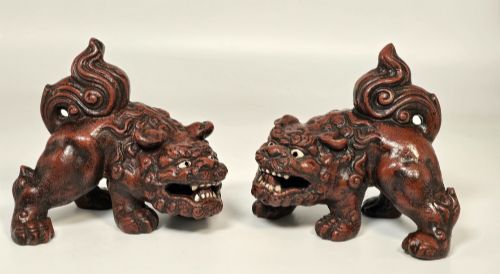
A vintage iron lion search leads straight to heavy utilitarian metalwork, where sturdy domestic objects meet heraldic sculpture. You are looking at functional household pieces shaped as domestic guardians, rampant beasts, and protective heraldic symbols.
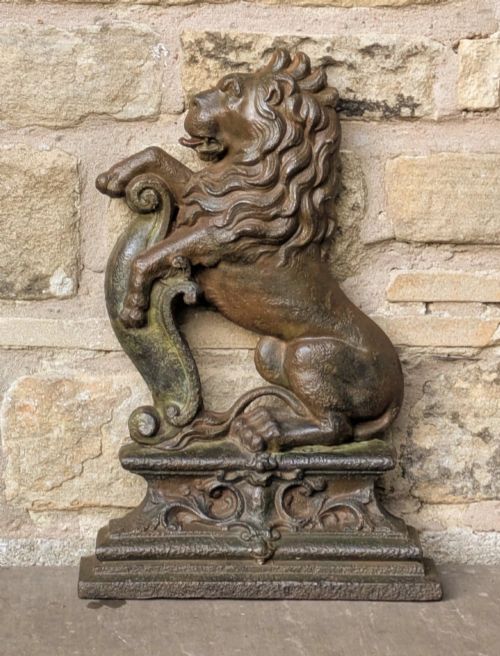
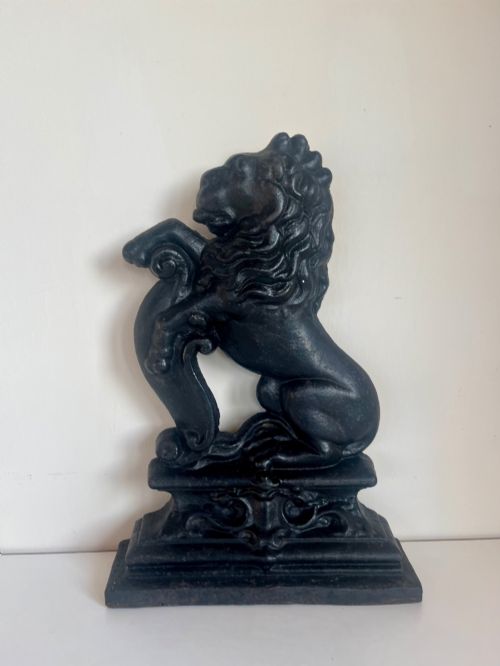
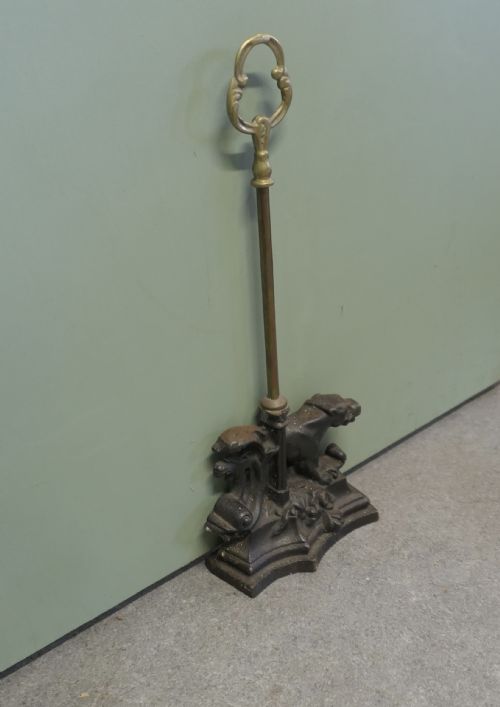
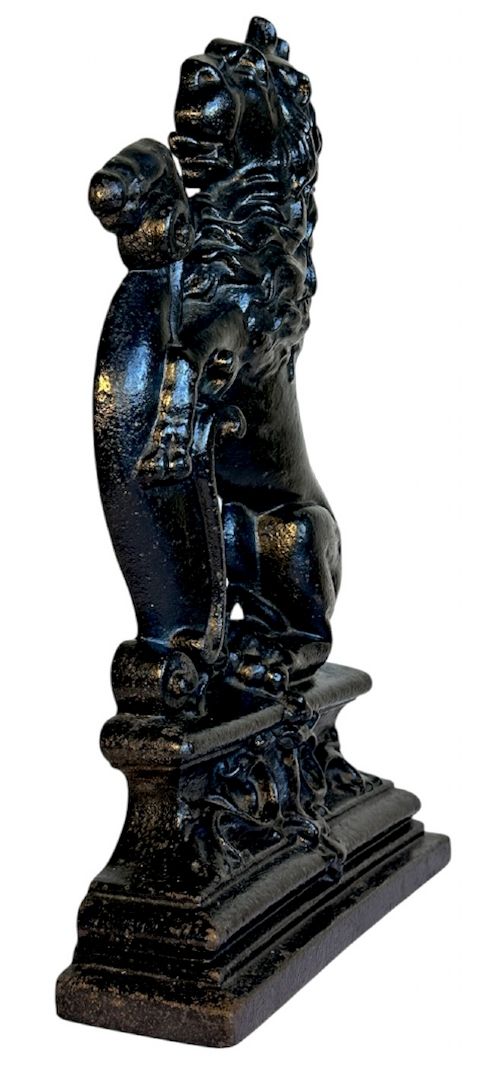
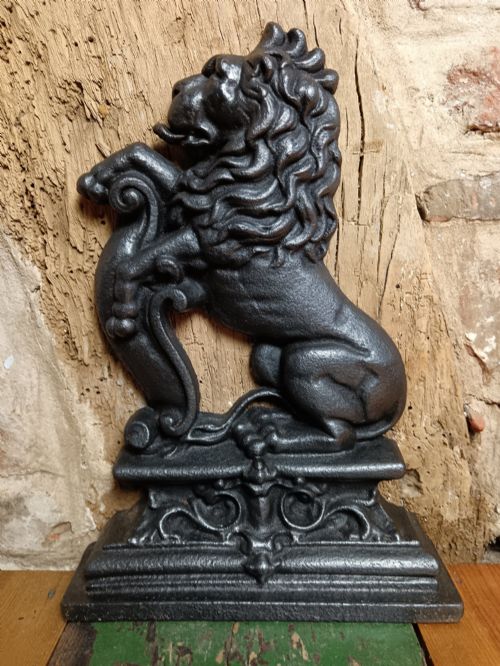
The version you are most likely to meet on this page is the Victorian cast iron doorstop, usually depicting a rampant lion holding its ground against draughts. These heavy iron door porters and boot scrapers dominate the selections alongside occasional garden armchairs and fireplace accessories.
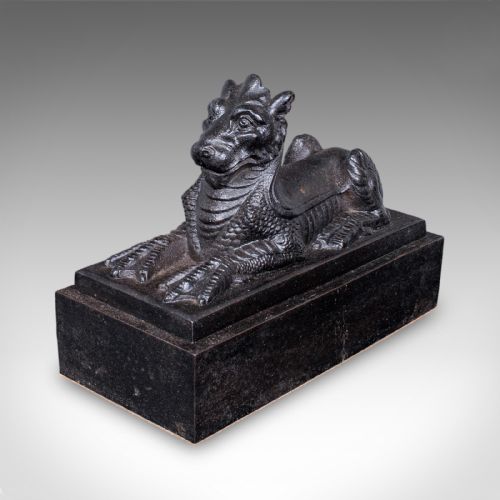
Origins stretch across English and continental workshops, moving from Georgian doorstops through Victorian gothic revivals into interwar garden furnishings. The sculptural forms shift between fierce mythical protectors and heavy architectural supports meant to anchor domestic spaces.
How they were made
Foundries utilised traditional sand casting techniques to pour molten metal into moulds, capturing crisp muscle definition and decorative manes. Cast iron provides the requisite heft for doorstops and fire grates, while wrought iron and steel appear in companion sets and structural frames.
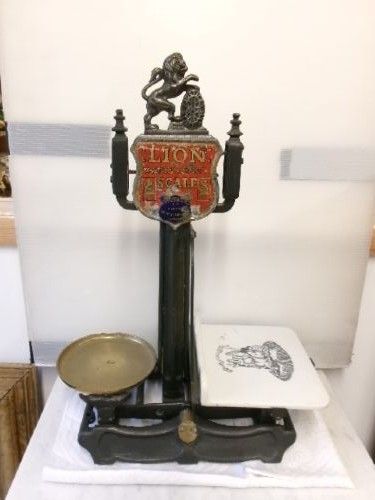
Surface treatments range from plain black japanning and protective paint to weathered patinas accumulated through decades beside hearths and garden paths. Brass components occasionally accent iron bodies on fire dogs and scales, adding tonal variation to functional hardware.
Vintage Iron Lion Retail Price Guide 2026
Typical asking prices for vintage iron lion among the pieces listed under this phrase on Sellingantiques today, from the lower quarter to the upper quarter. They describe what is for sale here now, not the wider market.
Listings feature cast iron, wrought iron, steel, brass, ceramic, and wood materials across Victorian, Regency, and Georgian periods.
What varies in quality
Proportion and stance dictate the visual gravity of each piece, with well-balanced doorstops and garden furniture maintaining solid physical stability. The integrity of the original metal surface, free from clumsy modern repairs, preserves the authentic character of the object.
Herbert and Sons London
The Vintage Iron Lion Glossary
- Doorstop
- A heavy utilitarian weight placed against doors to prevent slamming or draughts. These figures often take the form of lions or heraldic beasts.
- Andirons
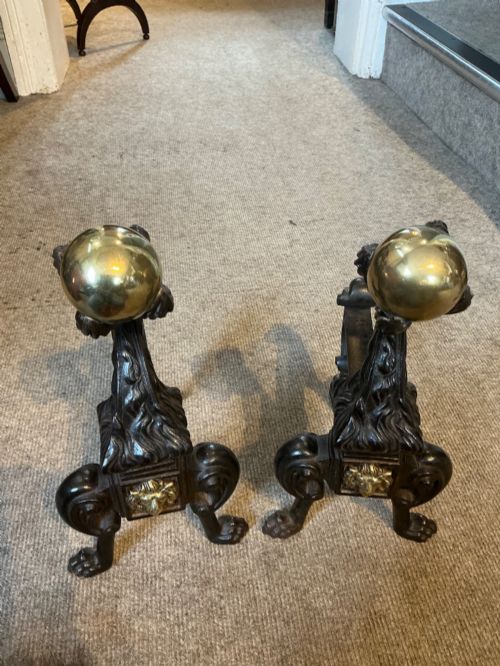
- Iron supports used in an open fireplace to elevate logs for better air circulation. Pairs frequently incorporate decorative lion masks or iron beasts.
- Boot scraper
- A stationary metal blade or architectural fixture positioned near doorways for cleaning mud from footwear. Cast iron examples often feature animal motifs.
- Japanning
- A type of durable dark varnish finish applied to metalwork to prevent rust and provide a smooth sheen. This coating appears on nineteenth-century iron accessories.
Vintage Iron Lion: Frequently Asked Questions
What is a vintage iron lion doorstop?
A doorstop is a heavy cast iron sculpture designed to hold doors open against interior draughts. These pieces combine domestic utility with sculptural presence, often depicting a rampant lion.
Foundries produced these objects in substantial weights to ensure they remained stable on hallway floors. They served as both practical hardware and decorative domestic guardians.
How were iron lions used by the hearth?
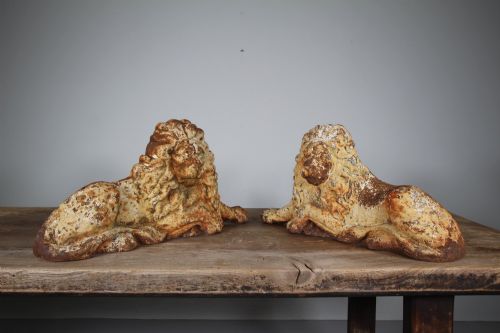
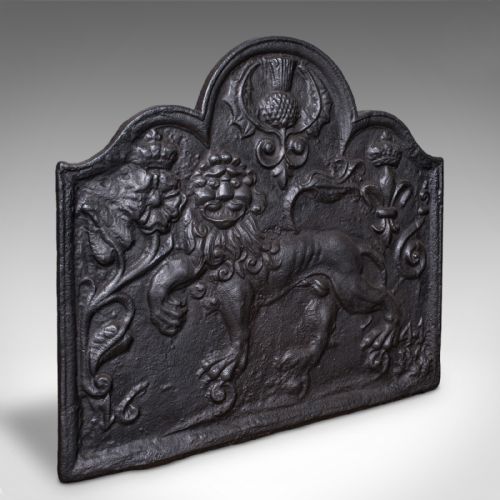
Iron lions appeared frequently around the fireplace as fire dogs, fire backs, and andirons supporting burning logs. Their heavy metal construction withstood intense heat while reflecting warmth into the room.
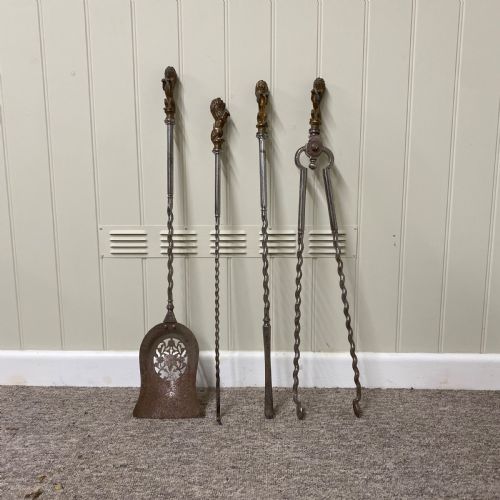
These hearth accessories added formal architectural dignity to nineteenth-century domestic interiors. They anchored the fireplace arrangement alongside matching steel fire tools.
How do I tell Victorian pieces apart?
Victorian ironwork displays distinct heavy casting techniques, gothic revival motifs, and robust neo-classical proportions. Makers incorporated heraldic designs and naturalistic animal forms characteristic of the period.
Examining the underside, casting seams, and surface oxidation helps determine the age of the metal. Original paint layers and patination provide further clues to nineteenth-century manufacture.
Can these iron pieces be used outside?
Many cast iron items, including garden armchairs and boot scrapers, were built specifically for outdoor resilience. Iron garden furniture withstands weather when properly maintained and protected from moisture.
Placing vintage iron in a garden setting requires monitoring for rust and surface weathering. Proper placement ensures the antique metal remains structurally sound over time.