
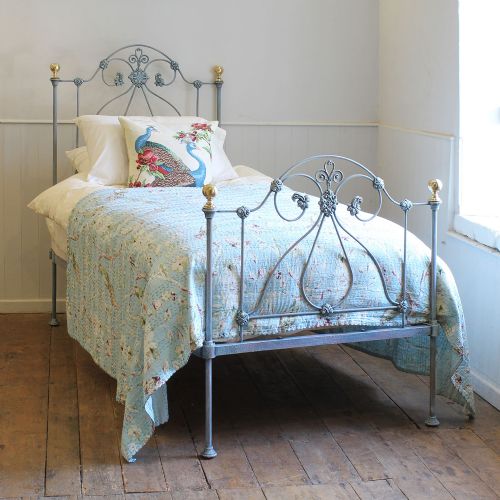
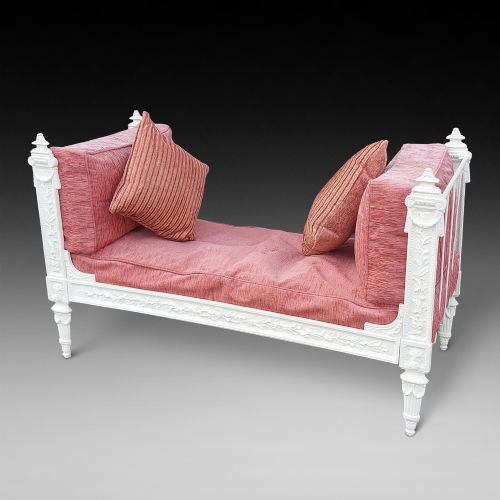


Vintage Iron Daybed Frame
A vintage iron daybed frame brings enduring Victorian character to a spare room, combining robust metalwork with slender proportions.
Vintage Iron Daybed Frame
A vintage iron daybed frame sits within a selection spanning the Victorian era, specifically drawing on dates from eighteen fifty to eighteen ninety. These listings comprise daybeds, bedframes, and single bedsteads designed for compact sleeping spaces.
Buyers encounter variations such as French country styles alongside standard Victorian forms, often incorporating brass detailing alongside the primary metal construction. Single and super single sizes dominate the current selection, occasionally accompanied by cot beds or pairs.
The objects serve as functional furniture while offering distinct period aesthetics through painted finishes and verdigris treatments. Each example reflects the domestic hardware requirements of the nineteenth century.
How they were made
Maker construction relies heavily upon cast iron and wrought iron for structural integrity, shaped into sturdy frames and platform styles. Workshops combined these heavier metals with polished brass components to create decorative contrast on headboards and side rails.
Surface treatments involve traditional paint finishes and applied verdigris effects, sealing the metalwork while adding colour and visual depth. Fabric elements occasionally appear as part of accompanying mattresses or bedding configurations.
Listings span the Victorian period from eighteen fifty to eighteen ninety, featuring cast iron, wrought iron, and brass.
What varies in quality
Distinction across the range emerges through the complexity of the brass embellishments and the refinement of the iron castings. Simpler utilitarian frames contrast with more ornate Victorian designs featuring intricate junctions and decorative finials.
The integrity of the original painted surface or verdigris patina heavily influences the character of each piece. Surviving examples that retain harmonious proportions between the iron structure and brass details command greater visual presence.
R W Winfield
The Vintage Iron Daybed Frame Glossary
- Cast iron
- A strong, hard iron alloy produced by pouring molten metal into a mould, commonly used for nineteenth-century bed ends and structural components. This technique allowed manufacturers to incorporate decorative relief patterns.
- Wrought iron
- A tough, malleable iron form beaten into shape by hand or machine, utilised for sturdy framing elements. It provides the necessary tensile strength for slender bed rails.
- Verdigris
- A green patina formed naturally or chemically on copper, brass, or bronze surfaces over time. It gives vintage metalwork a distinctive aged appearance.
- Bedstead
- A framework supporting a mattress and bedding, distinct from a modern divan because it includes visible head and foot sections. Victorian examples typically utilise metal side rails for assembly.
Vintage Iron Daybed Frame: Frequently Asked Questions
How do I date a vintage iron daybed?
Dating relies upon stylistic markers and recorded construction periods from the mid to late nineteenth century. Details like brass mounting techniques and casting styles help place an item within the Victorian era.
Evidence from nineteenth-century pieces shows specific shifts in ornamentation from eighteen fifty through to eighteen ninety. Comparing the complexity of the ironwork provides further context for its age.
Are these daybeds suitable for daily sleeping?
These frames accommodate standard single mattress sizes, though historical dimensions can vary slightly from modern measurements. Checking the internal width ensures a proper fit for contemporary mattresses.
Robust iron and brass construction provides a reliable structure for regular use in guest rooms or studies. Buyers should verify rail lengths to match their preferred mattress thickness.
What is the difference between iron and brass beds?
Iron provides the heavy structural core for the bed frame, offering durability and load-bearing strength. Brass is utilised primarily for decorative tubing, finials, and mounts to create a two-tone aesthetic.
Victorian makers combined these materials to balance industrial strength with domestic elegance. The proportion of brass varies from simple corner mounts to substantial headboard rails.
How should I clean a painted iron frame?
Maintenance requires gentle dusting with a soft cloth to protect original painted surfaces and verdigris treatments. Moisture should be kept away from exposed metal to prevent new oxidation.
Avoid harsh chemical cleaners that might strip historical paint layers or varnishes. Preserving the existing patina maintains the character established over the Victorian period.