

Vintage Iron Console
A vintage iron console brings robust character and utilitarian strength to a hallway, combining enduring metalwork with timber or stone surfaces.
Vintage Iron Console
A vintage iron console combines heavy metallic framing with contrasting tops, fulfilling both decorative and practical roles in domestic spaces. These pieces emerge from periods spanning the Victorian era through the early twentieth century, reflecting industrial and domestic needs alike.
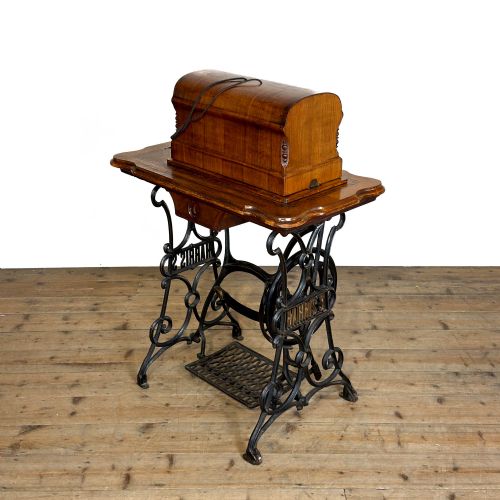
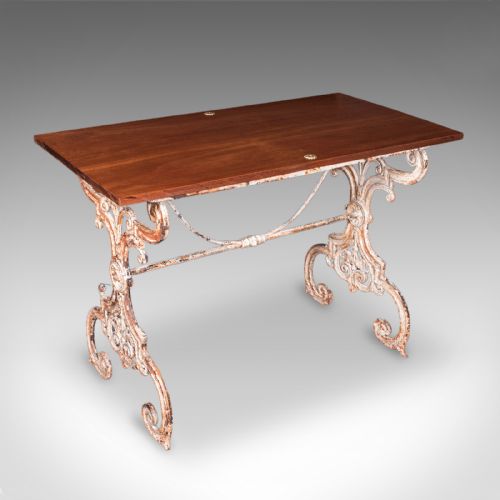
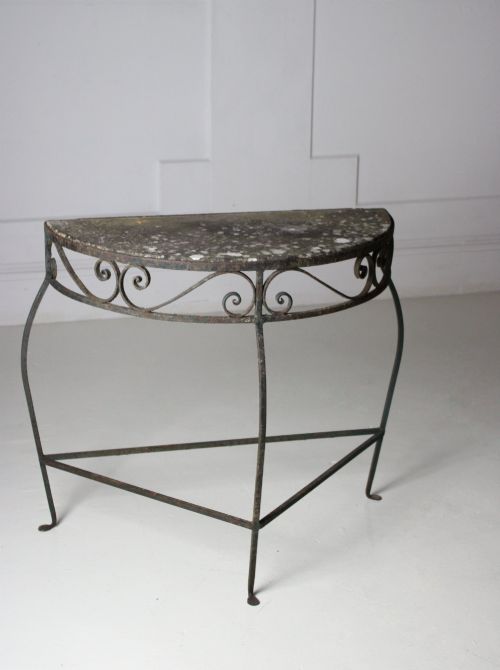
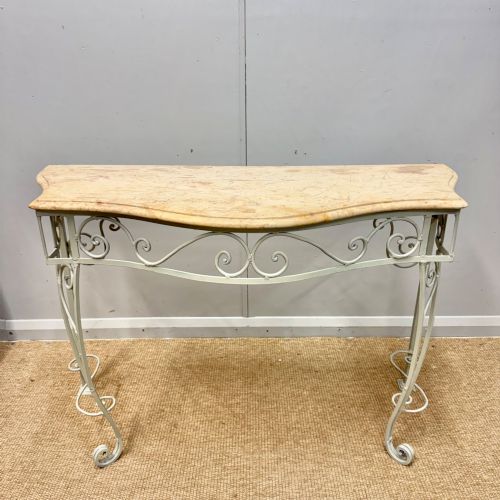
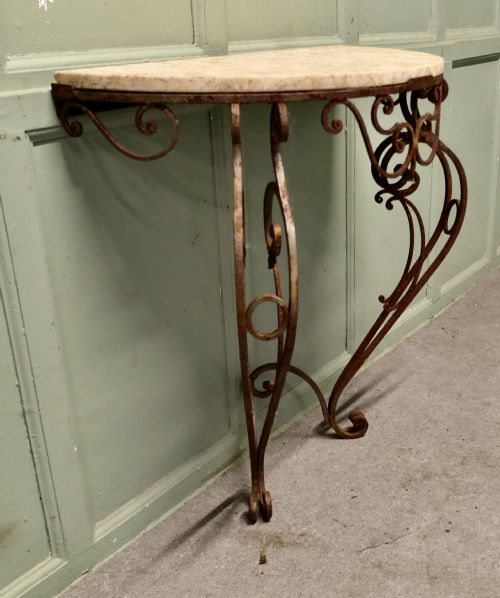
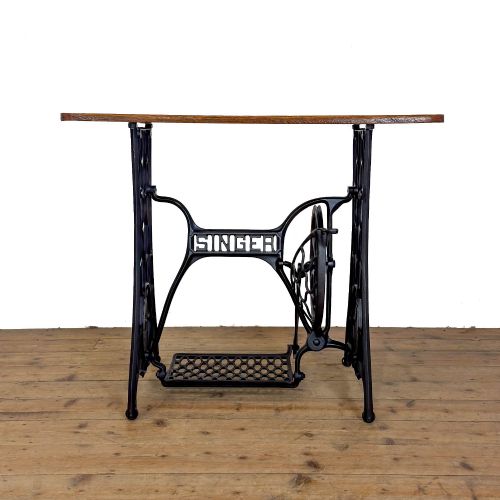
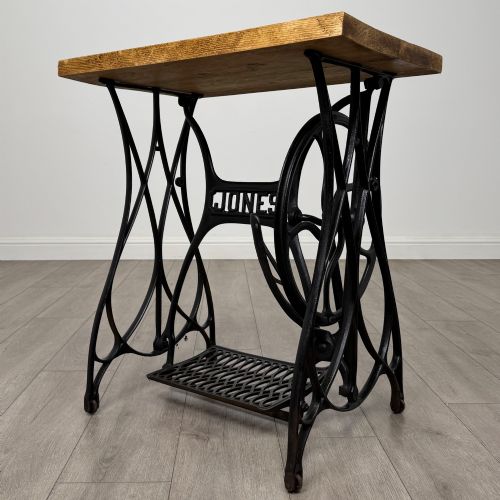
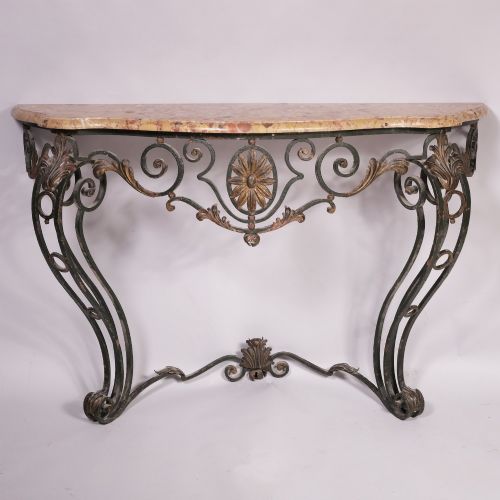
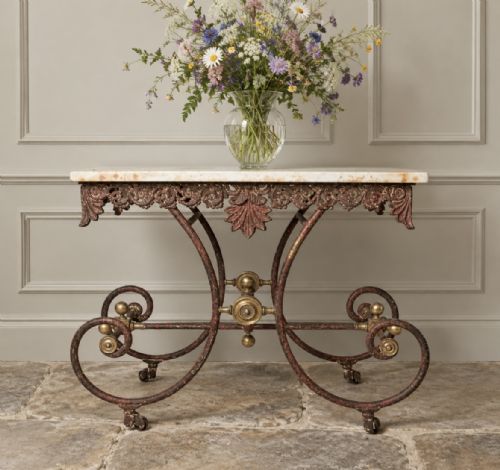
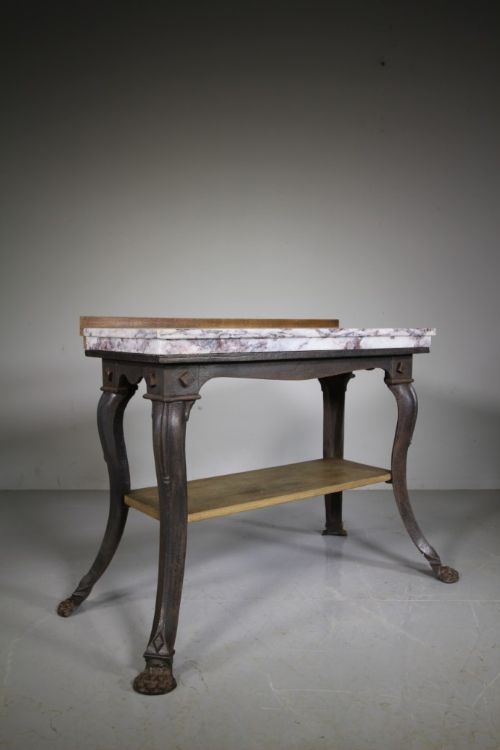
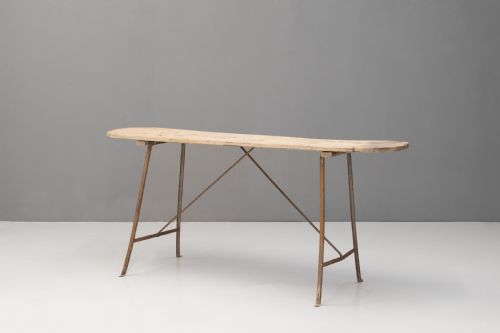
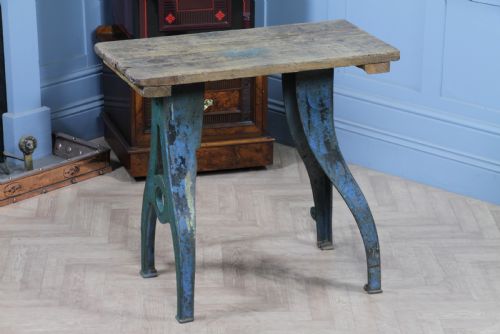
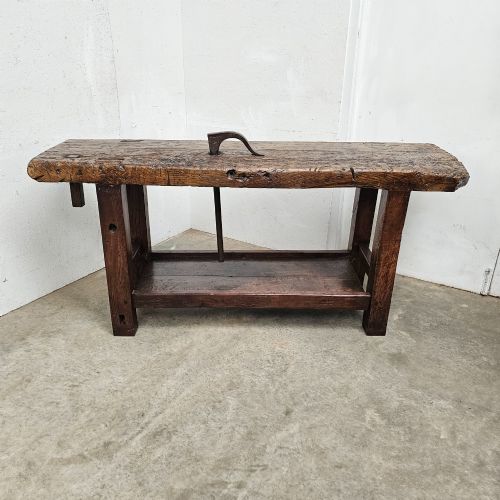
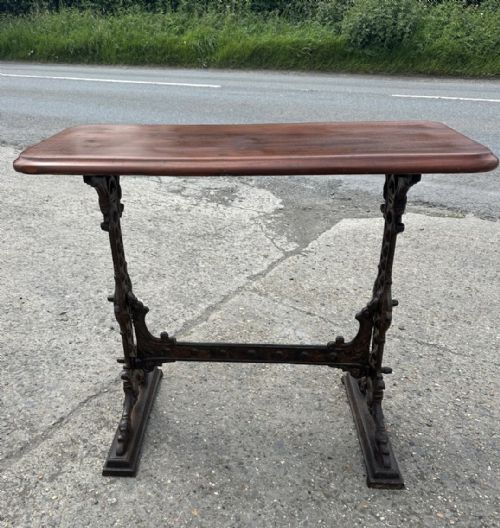
The most frequent versions encountered on this page pair sturdy iron bases with cool marble slabs or warm wooden boards. Examples range from French hall tables and baker units to repurposed machine bases fitted with reclaimed timber.
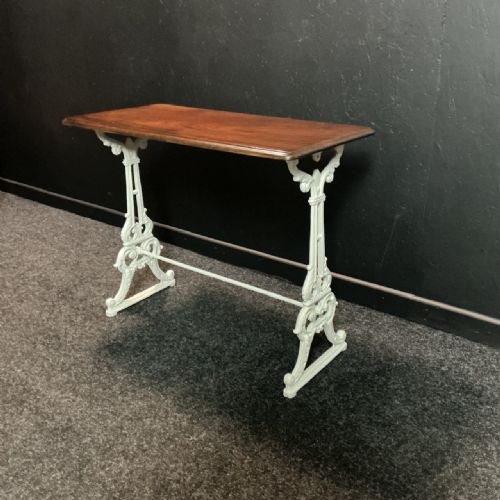
Makers utilised cast and wrought iron for structural integrity, often pairing the metal with oak, pine, or mahogany. These tables surface in styles including industrial, rustic farmhouse, and classical French country designs.
Materials and construction methods
Makers constructed these frames using durable cast iron or hand-formed wrought iron, frequently adapting industrial mechanisms or architectural fragments for domestic furniture. Cast components provide intricate decorative detail, whereas wrought elements offer fluid, hand-forged lines.
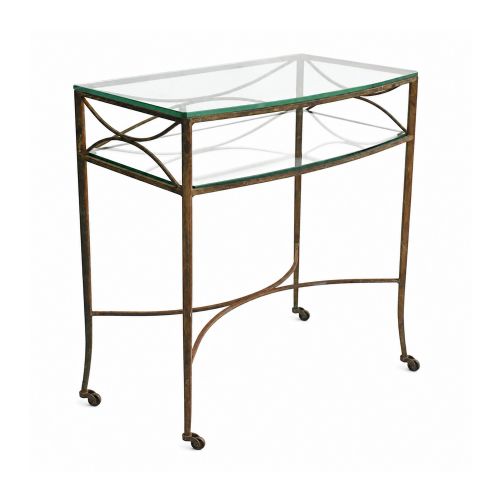
Surfaces consist primarily of heavy white marble or dense hardwoods such as oak and pine, secured directly to the metal frames. Additional materials such as brass, glass, and steel appear across side tables, pub tables, and specialist workbenches.
Vintage Iron Console Retail Price Guide 2026
Typical asking prices for vintage iron console among the pieces listed under this phrase on Sellingantiques today, from the lower quarter to the upper quarter. They describe what is for sale here now, not the wider market.
Several tables retain their original sewing machine iron treadles, which once operated by foot.
Distinctions in quality and execution
Quality rests upon the harmony between the metal base and its top, where genuine period integration surpasses later adaptations. Superior examples exhibit refined casting definition and patinated metal surfaces rather than crude modern welding.
The choice of top significantly dictates the grade, with thick slab marble or richly grained antique timber elevating the piece. Original patination on both the iron framework and the working surface separates standard utility items from finer decorative specimens.
The Vintage Iron Console Glossary
- Console
- A side table designed to stand against a wall, frequently secured with brackets or supported by distinctive legs. These tables suit narrow spaces such as hallways and corridors.
- Wrought iron
- Iron that is heated and hammered into shape by hand, resulting in a fibrous structure and distinct visual character. This material allows for slender, curved decorative supports.
- Cast iron
- Iron poured into a mould to create rigid, highly detailed structural components. This method defines the heavy ornate bases found on many period tables.
- Serpentine top
- A table surface featuring a distinctive wave-like shape with a convex centre flanked by concave curves. This contour appears on finer nineteenth-century marble slabs.
Vintage Iron Console: Frequently Asked Questions
How do I style a vintage iron console?
Position the console against a prominent hallway or living room wall to anchor the space visually. Balance the industrial weight of the iron base by placing ceramics, books, or a wall-mounted mirror above.
Allow the natural patina of the marble or timber top to remain uncovered to showcase the material quality. These tables work well in rustic farmhouse settings as well as contemporary urban interiors.
Were these consoles originally made for hallways?
Many pieces began life as workbenches, butchers tables, baker tables, or sewing machine bases before finding new roles as console tables. Industrial and domestic utility items were frequently repurposed for display and surface storage.
Purpose-built hall tables also existed during the Victorian and Edwardian periods, often paired with matching wall mirrors. The diverse origins explain the varied proportions and surface materials seen today.
How do I care for a marble top?
Clean the stone surface regularly with a soft cloth and warm soapy water, avoiding acidic or abrasive household cleaners. Marble is porous and susceptible to staining from oils, wine, or citrus juices.
Applying a suitable stone sealer periodically helps protect the finish from everyday wear. Treating the surface with care preserves the historic character of the stone.
How do I distinguish cast iron from wrought iron?
Cast iron displays a rigid, uniform structure formed in a mould, often featuring ornate relief patterns and heavier proportions. Wrought iron exhibits subtle hammer marks, fibrous textures, and hand-bent curves created by a blacksmith.
Examining the joints and structural supports reveals the manufacturing method employed by the maker. Cast components tend to be brittle under stress, whereas wrought iron offers greater tensile strength.