



Industrial Metal Table
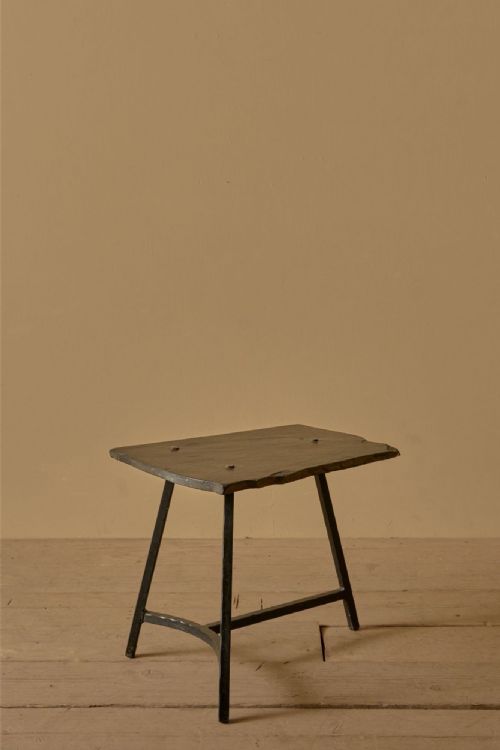
An industrial metal table brings utilitarian character and robust utility into a domestic interior, pairing steel or cast iron with timber.
Industrial Metal Table
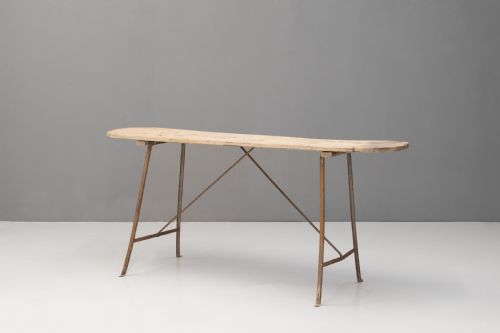
When you search for an industrial metal table, you encounter pieces that originate primarily from the nineteenth and early twentieth centuries, spanning the Victorian, Edwardian, and Art Deco eras. These objects range from heavy-duty bases paired with solid oak tops to painted steel garden furniture and French bistro designs.
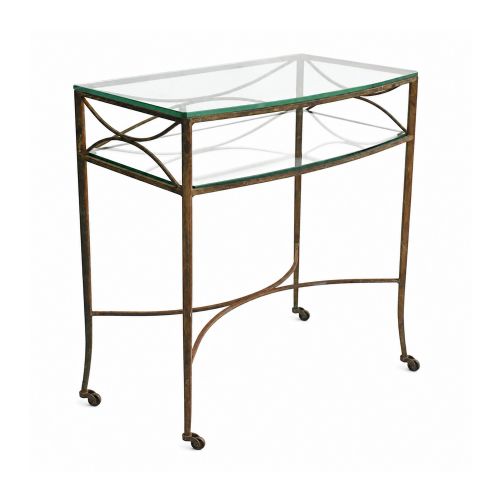
The selections on this page demonstrate the practical origins of these furnishings, including folding metalwork tables, console tables, and workshop survivors. You are most likely to meet pieces dated around nineteen-twenty, constructed from iron or steel, which reflect the utilitarian engineering of their time.
Materials and construction
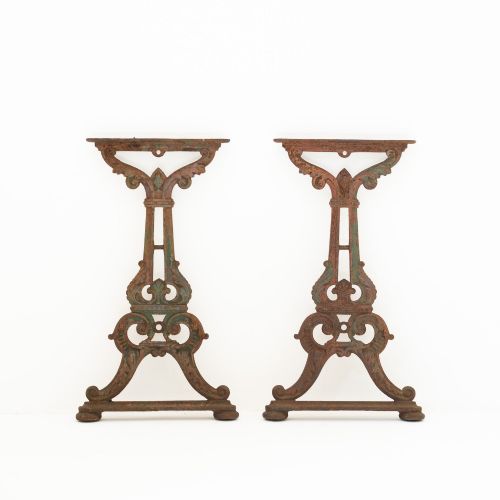
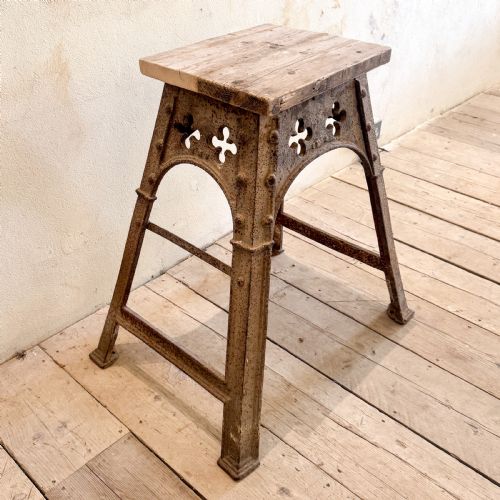
The construction relies heavily on cast iron, wrought iron, and painted steel, often combined with glass, brass, or chrome elements depending on the period. Metal frames provide the structural skeleton, frequently supporting timber tops such as oak.
Makers utilised riveting, welding, and casting techniques to achieve durability, while folding mechanisms on garden and bistro pieces introduced practical versatility for everyday use.
Industrial Metal Table Retail Price Guide 2026
Typical asking prices for industrial metal table among the pieces listed under this phrase on Sellingantiques today, from the lower quarter to the upper quarter. They describe what is for sale here now, not the wider market.
The furniture forms include console tables, garden tables, refectory dining tables, and bistro sets alongside storage chests and trunks.
Judging quality and integrity
Quality in these pieces depends upon the original purpose, the integrity of the surviving metalwork, and the honesty of any restoration. Tables that retain their original painted finishes or patinated steel surfaces hold greater character than those stripped back indiscriminately.
The weight and gauge of the iron or steel frame dictate the stability of the piece, separating robust workshop survivors from lighter decorative reproductions. Original hardware, such as hinges on folding models or manufacturer markings, elevates the standing of an item.
Herbert Terry·Wilhelm Wagenfeld·Pirouette·Hawkins
The Industrial Metal Table Glossary
- Cast iron
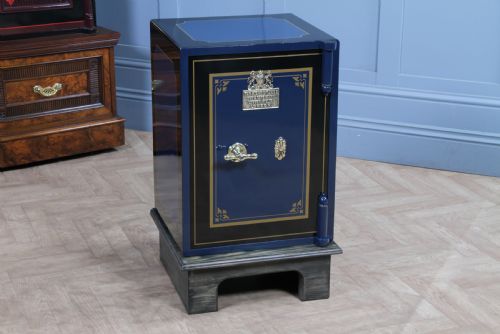
- An iron-carbon alloy poured into a mould to create rigid, heavy structural forms. It appears frequently in nineteenth-century table bases and safe manufacture.
- Wrought iron
- Iron that is heated and hammered into shape by hand, resulting in a fibrous texture and resilient structure. This material was commonly utilised for nineteenth-century stands and brackets.
- Art Deco
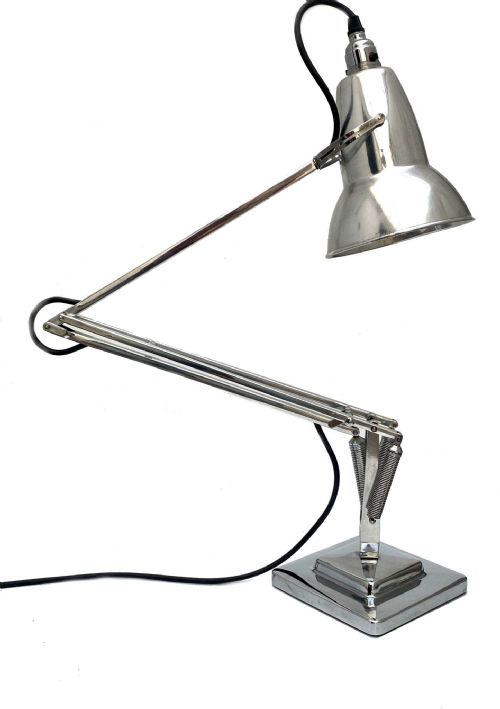
- A design style prevalent in the nineteen-twenties and nineteen-thirties characterised by sleek geometric lines and modern materials like chrome. It heavily influenced desk lamps and lighting fixtures of the period.
- Refectory table
- A large dining table traditionally used in monastic refectories, adapted later into farmhouse styles with timber tops. Examples sometimes feature robust wooden frames associated with eighteenth-century craftsmanship.
Industrial Metal Table: Frequently Asked Questions
How do I clean an industrial metal table?
Wipe surfaces gently with a dry or slightly damp cloth to remove dust without damaging the patinated finish. Avoid harsh chemical cleaners that can strip original paint or accelerate corrosion on exposed steel.
Apply a microcrystalline wax to bare metal surfaces if protection against moisture is required. This preserves the historical surface without imparting an artificial gloss.
Were these tables originally used in factories?
Many examples originate from workshops, warehouses, and trading floors where durability mattered more than appearance. Cast iron bases and steel tops withstood heavy daily labour.
Other designs served domestic or commercial environments, such as French bistros and garden terraces, where folding metalwork offered convenient storage.
Can I use an antique metal table outdoors?
Pieces designed as garden tables or folding metalwork tolerate sheltered outdoor settings if monitored for weather exposure. However, indoor pieces containing untreated steel or timber tops suffer from dampness and temperature fluctuations.
Protect vulnerable items from rain and frost to prevent structural deterioration and rust expansion. Bringing them indoors during winter months ensures their longevity.
How do I identify a nineteen-twenties metal table?
Examine the construction methods for early twentieth-century indicators such as riveted joints, heavy gauge steel, and original painted finishes. Many pieces from this decade reflect utilitarian or early industrial design trends.
Look for associated manufacturer marks or characteristic styles like Art Deco influences. Comparing the timber top and metal base proportions often confirms the period.