




Vintage Iron Candle Stand
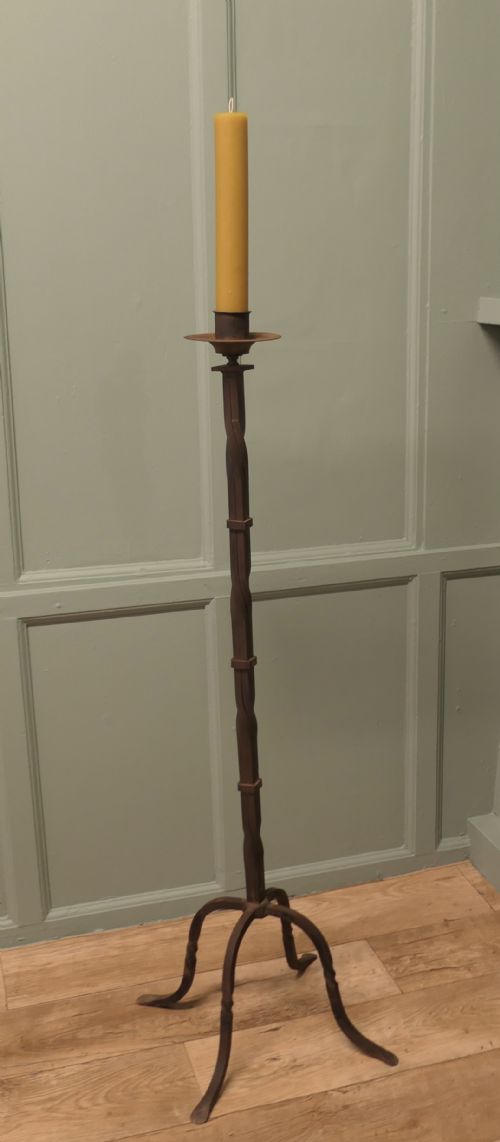
These vintage iron candle stand pieces bring heavy industrial character and practical candlelight to a room.
Vintage Iron Candle Stand
When you search for a vintage iron candle stand, you encounter utilitarian lighting and decorative pieces spanning several centuries. The selection ranges from early Georgian rush nips to architectural floor candelabra and twentieth-century modernist designs.
You are most likely to meet twentieth-century examples on this page, particularly items from the nineteen-hundreds through to the nineteen-thirties. These include Amsterdam School pairs, Art Deco torcheres, and secessionist chambersticks.
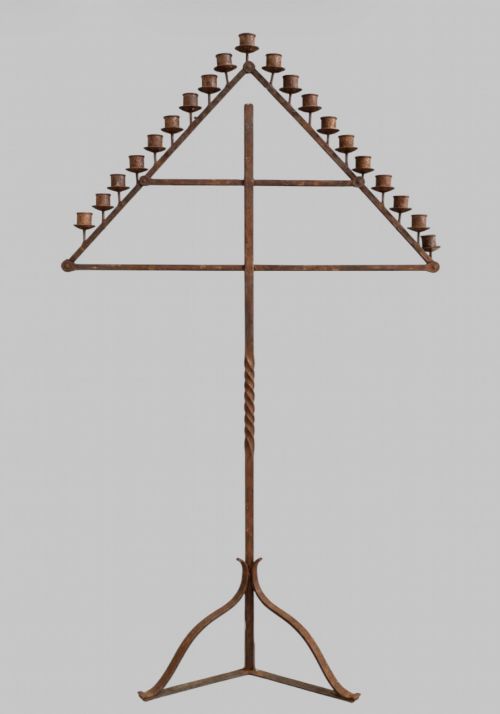
The forms vary widely from tabletop candlesticks and chambersticks to tall floor-standing candelabra and rushlight holders. Origins span English, Continental, and Amsterdam workshops in iron, brass, and steel.
How they were made
Wrought iron and cast metal form the primary structure of these pieces, often shaped by hand through forging and joining techniques. Blacksmiths hammered and bent the metal into functional candle holders and floor standards.
Makers combined iron with brass, gilt metal, and wood to create contrast in colour and texture. Detail work includes secessionist motifs, Gothic revival elements, and trench art construction from repurposed materials.
Vintage Iron Candle Stand Retail Price Guide 2026
Typical asking prices for vintage iron candle stand among the pieces listed under this phrase on Sellingantiques today, from the lower quarter to the upper quarter. They describe what is for sale here now, not the wider market.
The selection includes floor candelabra, chambersticks, and rushlight holders across Gothic, Art Deco, and Amsterdam School styles.
What varies in quality
The distinction between standard utility items and finer pieces lies in the ambition of the design and the skill of the metalwork. Architectural floor standards and marked secessionist pieces demonstrate superior proportion and finish compared to basic utilitarian examples.
Material combinations also elevate a piece, such as the deliberate pairing of warm brass elements against blackened iron. The integrity of the original construction and the subtlety of decorative surface details determine the standing of each object.
Hugo Berger Goberg
The Vintage Iron Candle Stand Glossary
- Rush Nip
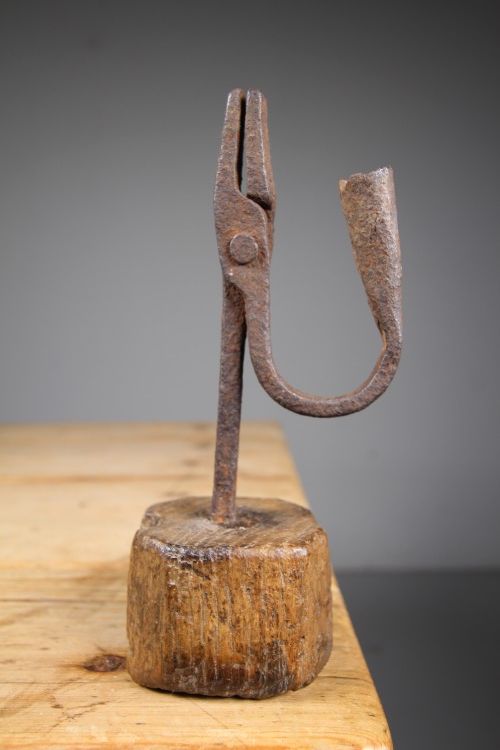
- A spring-loaded mechanical holder designed to grip a rushlight for illumination. This domestic device represents early lighting technology before candles became common.
- Pricket Candlestick
- A candlestick featuring a sharp central spike rather than a socket to secure the candle. This traditional form appears frequently in ecclesiastical and Continental designs.
- Torchere
- A tall ornamental stand originally designed to support a torch or large candle. These pieces function as architectural statements within a room.
- Amsterdam School
- An architectural and design movement from the early twentieth century characterised by expressive forms and brick-like masonry or metal manipulation. Pieces from this tradition utilise strong geometric and organic silhouettes.
- Secessionist Style
- A Central European artistic movement rejecting historicism in favour of stylised natural forms and clean lines. Metalwork from this period often bears maker attribution.
Vintage Iron Candle Stand: Frequently Asked Questions
What is a rush nip?
A rush nip is an early domestic lighting device that uses a spring mechanism to hold a dried rush dipped in animal fat.
These pieces date back to the eighteenth century and served as a portable light source before candles were affordable for everyday use.
How do I style a floor candelabrum?
A floor candelabrum works best in a corner or empty space where its height and architectural presence can fill the room.
These heavy iron stands require stability and suit spaces with high ceilings or industrial and traditional interiors.
What is an Amsterdam School candlestick?
An Amsterdam School candlestick is a piece of metalwork from the early twentieth century influenced by Dutch expressionist architecture.
These items often combine iron and brass with heavy, sculptural forms that emphasise texture and mass.
How can I tell the age of iron candle stands?
Dating relies on stylistic markers such as Georgian joinery, Art Nouveau curves, or the geometric restraint of the Art Deco period.
Construction methods like hand-forged wrought iron versus machine-cast metal also help distinguish eighteenth-century pieces from twentieth-century revivals.