



Vintage Iron Buckets
These vintage iron buckets combine solid utility with robust character, serving practical domestic roles from firesides to gardens while bringing authentic age to a room.
Vintage Iron Buckets
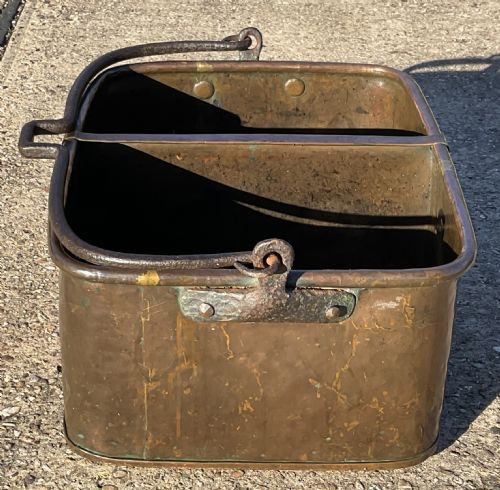
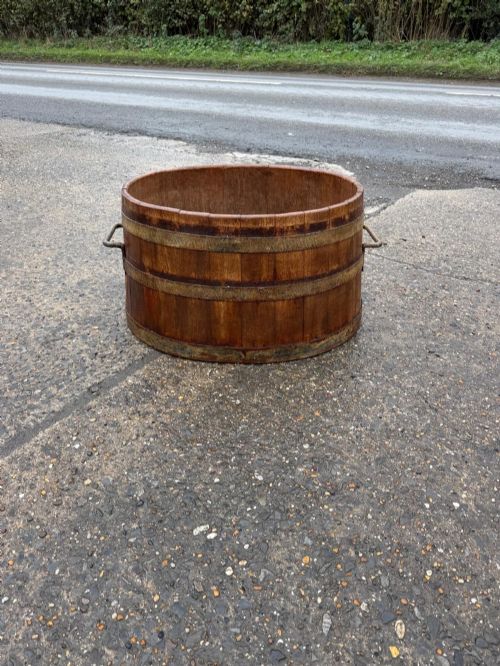
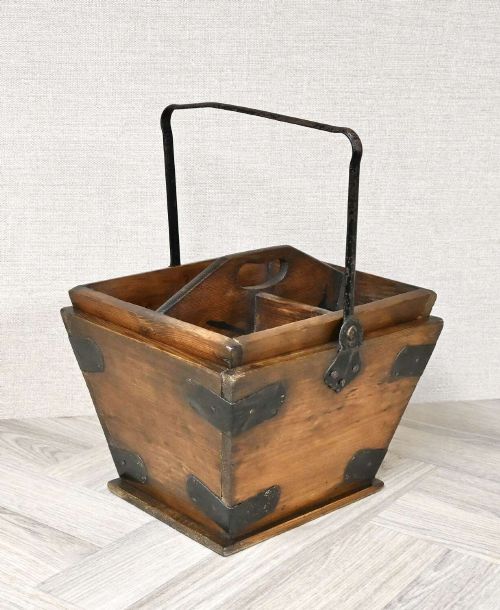
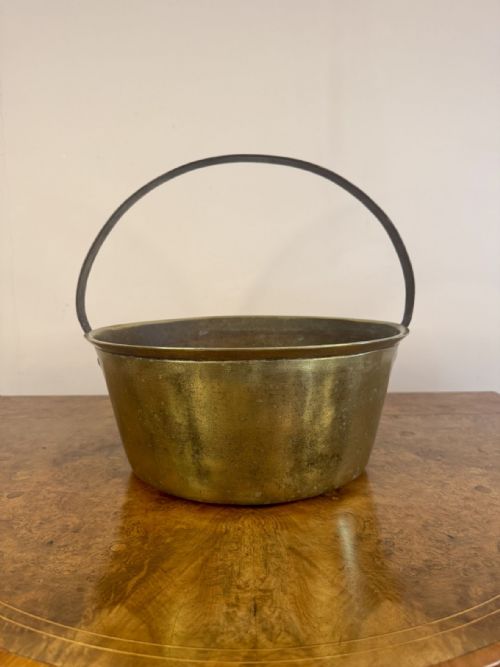
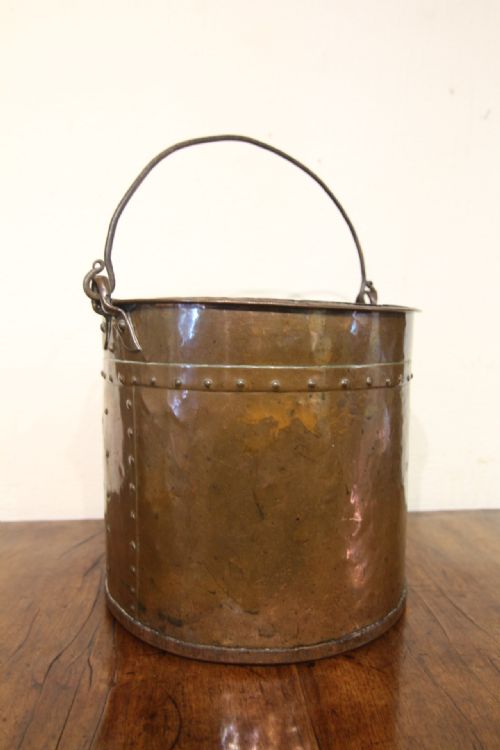
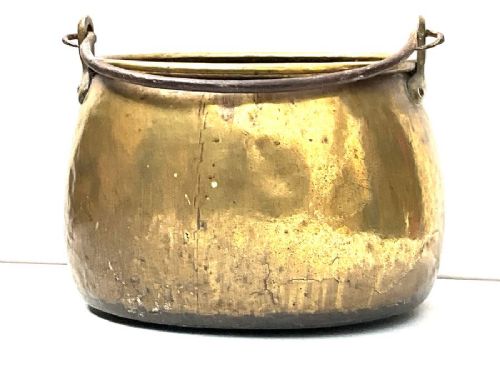
When you search for vintage iron buckets, you encounter sturdy utilitarian vessels primarily designed for fireside use, gardening, and heavy household chores. The selection on this page ranges from Georgian and Victorian periods through the early twentieth century, taking forms such as coal scuttles, log bins, cauldrons, and garden well buckets.
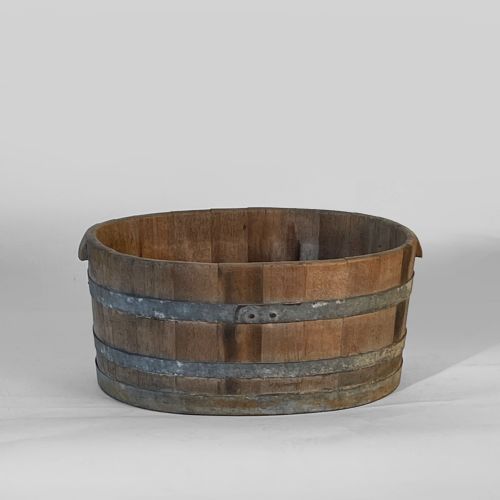
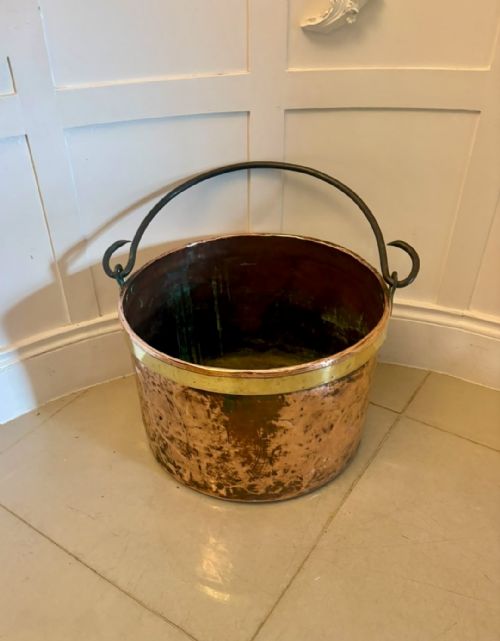
You are most likely to meet copper and brass vessels fitted with wrought iron handles, alongside coopered oak buckets bound with iron bands and galvanised steel washing tubs. These items bridge the gap between functional kitchenware, hearth accessories, and rustic garden containers.
How they were made
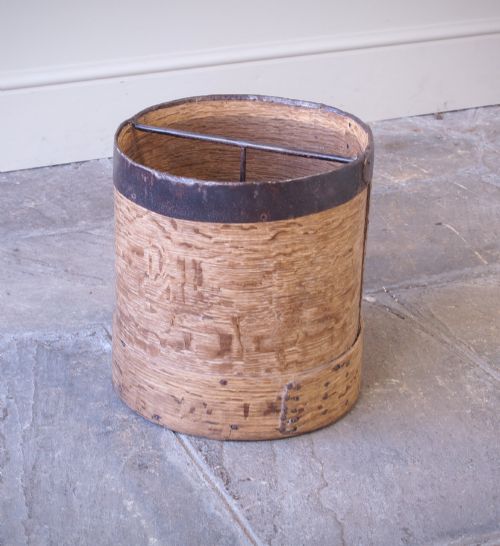
Makers utilised durable metals like copper, brass, cast iron, and wrought iron, frequently combining them with woods such as oak for coopered staves and wooden grain measures. Riveting and blacksmith forging created strong joints capable of holding heavy loads of coal, logs, or water.
Surface treatments included toleware painting and galvanising to protect the base metals from rust and daily wear in nineteenth-century country houses and industrial settings.
Vintage Iron Buckets Retail Price Guide 2026
Typical asking prices for vintage iron buckets among the pieces listed under this phrase on Sellingantiques today, from the lower quarter to the upper quarter. They describe what is for sale here now, not the wider market.
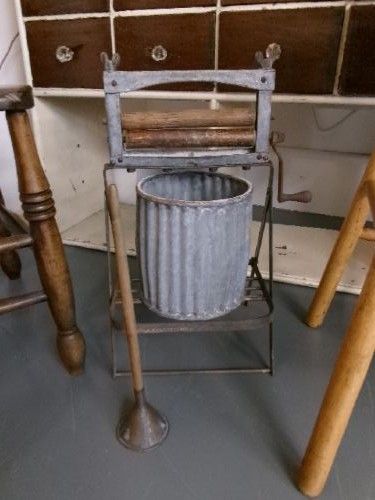
Children's traveller sample mangles on iron stands occasionally surface alongside full-sized laundry tubs, proving that even household chores once had miniature companions.
What varies in quality
The distinction between ordinary utility items and superior examples lies in the substance of the metal gauge and the integrity of the joinery, such as hand-hammered copper riveted seams and solid blacksmith-made wrought iron handles. Pieces originating from the Arts and Crafts and Art Nouveau periods often display finer aesthetic consideration in their surface detailing and integrated iron stands.
Weight and original completeness separate higher grade pieces from replacements, as heavier gauge brass pans, cauldrons, and coopered barrels retain their structural balance and historical hardware over centuries of heavy use.
The Vintage Iron Buckets Glossary
- Coopered
- Describing wooden vessels made from staves bound together with metal bands, much like barrels and washing tubs. This traditional woodworking technique ensured watertight or sturdy dry storage.
- Cauldron
- A large metal pot with a swing handle, traditionally used over an open fire or hearth. These heavy vessels appear in copper and brass across Georgian and Victorian periods.
- Toleware
- Metalware painted and lacquered, often in black or dark colours, used for domestic items like kitchen buckets and coal boxes. This finish provided both decoration and protection against corrosion.
- Scuttle
- A metal container designed for holding and carrying coal to a fireplace, usually featuring a slanted opening and a carrying handle. They range from simple iron wagons to decorative Arts and Crafts copper designs.
Vintage Iron Buckets: Frequently Asked Questions
How were vintage iron buckets used?
These vessels performed demanding household tasks, from carrying coal and logs to the hearth to holding water, grain, or laundry in Victorian and Georgian homes.
Over time, many transitioned from working utility items to decorative fireside accessories and garden planters.
What materials are these buckets made from?
The listings feature combinations of copper, brass, cast iron, wrought iron, and galvanised steel alongside wooden elements like oak staves.
Iron provides structural strength for handles and frames, while copper and brass offer durable, corrosion-resistant bodies.
How do I date a vintage bucket?
Dating relies on observing construction methods, material choices, and stylistic markers associated with periods from the eighteenth century through the early twentieth century.
Arts and Crafts pieces often show specific hand-hammered details, while Georgian and Victorian items display period-specific joinery and gauge thickness.
Can I use these buckets outdoors?
Many of these vessels, particularly galvanised steel tubs and oak well buckets, were built for rugged outdoor or garden utility.
Copper and brass items also adapt well as garden planters, though their finish may weather further when exposed to the elements.