






Vintage Irish Silver
Vintage irish silver brings together centuries of silversmithing tradition, offering everything from heavy sauce boats to delicate letter openers.
Vintage Irish Silver
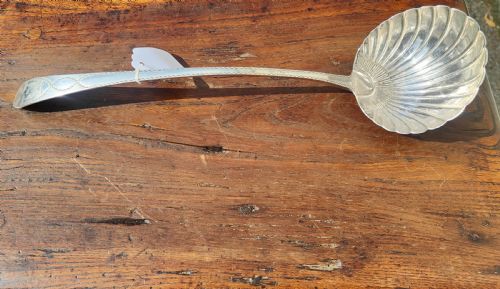
When you search for vintage irish silver, you encounter a diverse range of objects spanning multiple centuries, from Georgian tea pots and cream jugs to Edwardian card cases and letter openers. The selection includes domestic tableware such as sauce boats, ladles, sugar tongs, and dish rings, alongside more unusual items like pocket watch chains, decanter labels, and even a flintlock pistol.
The pieces on this page originate from various periods including the eighteenth, nineteenth, and twentieth centuries, reflecting changing domestic habits and artistic movements. You are particularly likely to encounter items exhibiting distinctive regional craftsmanship, often incorporating local materials and traditional motifs.
Materials and construction
The objects in this selection are primarily constructed from sterling silver and standard silver, frequently worked into substantial forms such as heavy gauge commemorative bowls and sauce boats. Silversmiths employed techniques of hammering, casting, and repoussé to shape the metal into functional and decorative household items.
Beyond plain silver, makers incorporated diverse supplementary materials to enhance the visual appeal of their work. Connemara marble, enamel, mother of pearl, brass, steel, rose gold detail, and amber all appear across different items, adding colour and textural contrast to the metalwork.
Vintage Irish Silver Retail Price Guide 2026
Typical asking prices for vintage irish silver among the pieces listed under this phrase on Sellingantiques today, from the lower quarter to the upper quarter. They describe what is for sale here now, not the wider market.
Listings feature sterling silver combined with Connemara marble across various Edwardian desk accessories and small boxes.
Quality and execution
Quality in these items rests upon the weight of the metal utilised and the crispness of the chasing or engraving. Pieces possessing a heavier gauge of silver demonstrate a more substantial physical presence and durability.
The finesse of surface decoration, particularly in Celtic style motifs or applied details like enamel and rose gold, distinguishes finer examples. Furthermore, the integration of regional materials such as Connemara marble reveals the careful consideration given to material pairing by the maker.
Timothy Hughes·Malacrida of Dublin
The Vintage Irish Silver Glossary
- Sauce boat
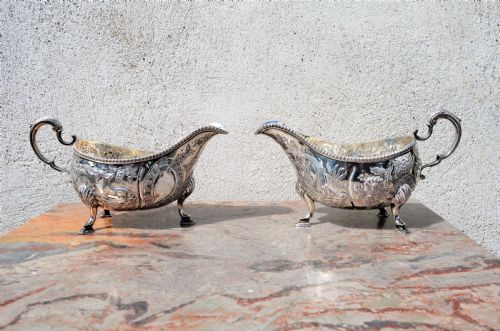
- An open vessel with a handle and spout, used for serving sauces and gravies at the table. These vessels often sit upon three feet and feature decorative rims.
- Dish ring
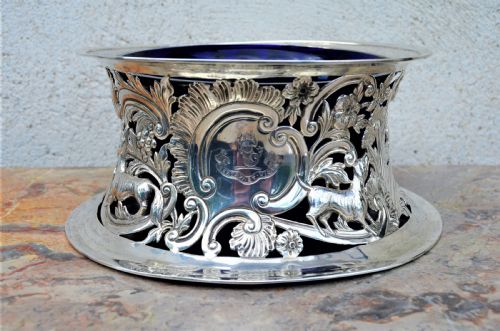
- A spool-shaped stand placed on the dining table to protect surfaces from hot dishes or to hold bowls. They typically feature pierced metalwork in floral or Celtic patterns.
- Connemara marble
- A distinctive green ornamental stone quarried in the west of Ireland. It appears frequently in desk accessories and small decorative containers.
- Fob
- A small ornament or medallion attached to a pocket watch ribbon or chain. They often commemorate specific clubs, societies, or achievements.
- Repoussé
- A metalworking technique where the artisan hammers the metal from the reverse side to form a raised design in relief on the front.
Vintage Irish Silver: Frequently Asked Questions
What periods do these silver pieces cover?
The items span a considerable timeframe, reaching from the Georgian and eighteenth centuries through the nineteenth century and into Edwardian and mid-century modern periods.
Each era contributes distinct design characteristics, ranging from classical Georgian forms to the later revivals of Celtic styles.
How were silver sauce boats used?
Sauce boats served an essential role in formal dining, utilised for passing gravies, melted butter, and various culinary sauces around the table.
Their sturdy construction and convenient spouts allowed hosts to pour liquids cleanly during meals.
What is a dish ring?
A dish ring is an open-ended cylindrical stand placed upon the dining table to support hot dishes or serving bowls.
These pieces often display intricate pierced decoration and were a staple of grand dining tables.
How do I identify Celtic style decoration?
Celtic style decoration draws upon ancient insular art, featuring characteristic interlaced strapwork, knot motifs, and geometric patterns.
Silversmiths applied these motifs to tableware and accessories to celebrate traditional heritage.