



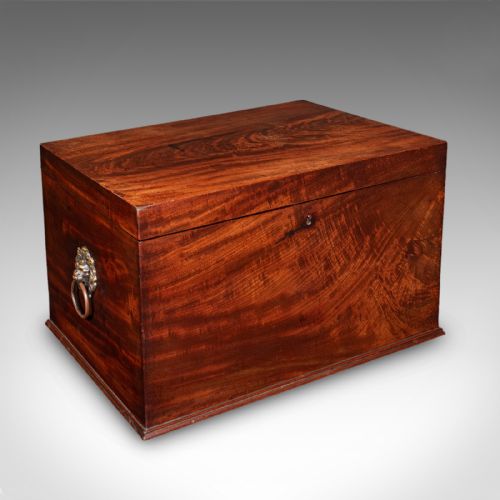


Vintage Irish Furniture
Vintage irish furniture brings robust country character and formal Dublin craftsmanship directly into modern rooms.
Vintage Irish Furniture
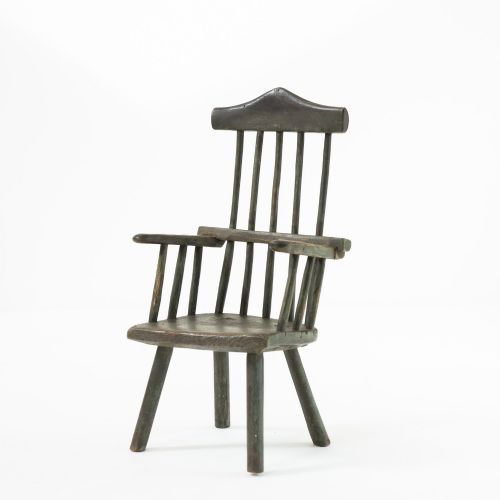
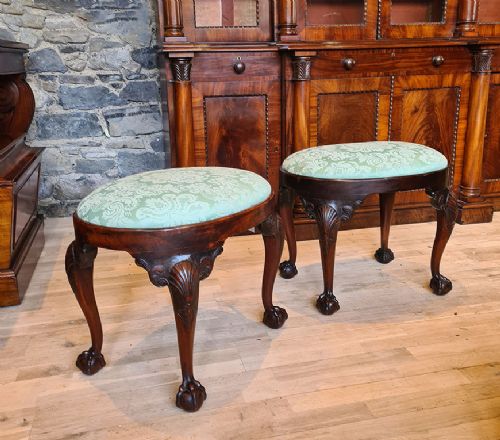
The selection ranges from primitive vernacular forms like stick back children's armchairs to sophisticated George III oval stools and Regency secretaires. Regional cabinetmakers utilised local timbers to create distinctive seating and storage solutions for domestic interiors.
Victorian examples sit alongside Georgian and William IV pieces, offering a tangible link to historical Irish woodworking methods. Buyers find everything from narrow chests of drawers to specialised wine storage boxes built for everyday utility and display.
How they were made
Makers shaped these items using solid timbers such as mahogany, walnut, pine, cedar, and oak, frequently pairing dense hardwoods with softer woods for internal structures. Brass hardware and leather or fabric upholstery appear as functional and decorative additions.
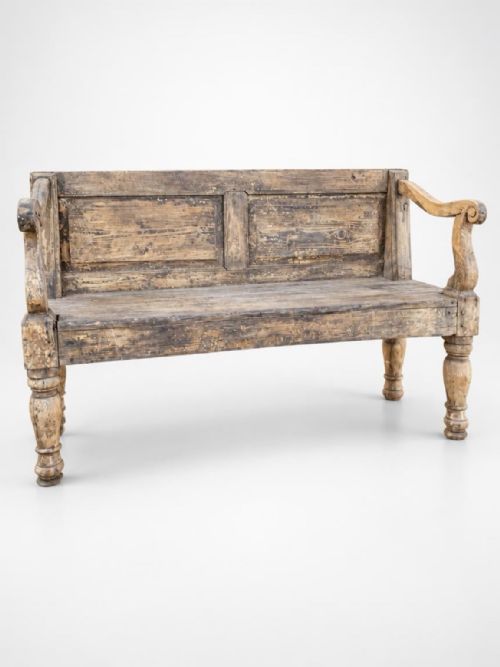
Joinery methods reflect the specific period and intended use, ranging from the rustic peg construction of country pine benches to the refined dovetails and turning found on Georgian side tables. Painted finishes also appear on functional pine cupboards.
Vintage Irish Furniture Retail Price Guide 2026
Typical asking prices for vintage irish furniture among the pieces listed under this phrase on Sellingantiques today, from the lower quarter to the upper quarter. They describe what is for sale here now, not the wider market.
Shoe storage built directly into a hallway bench proves that Irish households have argued about clutter for over a century.
What varies in quality
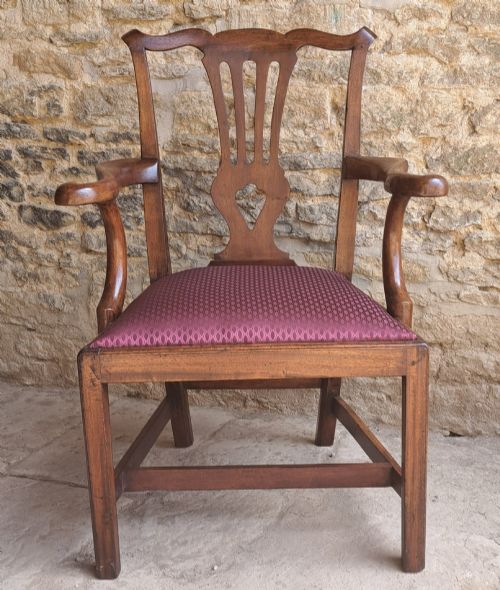
The distinction lies in the selection of timber and the fidelity of the construction methods employed by the cabinetmaker. Finer examples display carefully figured walnut or mahogany, whilst vernacular pieces rely on honest, straightforward pine and oak joinery.
Proportion and original surface patination dictate the desirability of each piece. Items retaining their unpolished timber surfaces or documented maker attribution command greater attention from collectors.
Gillingtons·Gillington of Dublin·Arnott and Co Dublin
The Vintage Irish Furniture Glossary
- Vernacular
- Everyday utilitarian items built by local craftsmen without high style pretensions. These pieces prioritize function and regional material availability over metropolitan fashion.
- Cellarette
- A lockable container used for storing wine bottles near the dining table. They often feature fitted interior compartments and substantial brass carrying handles.
- Secretaire
- A cabinet incorporating a writing drawer with a fall front to reveal a fitted interior of small drawers and pigeonholes. This form combines storage with a compact writing surface.
- Stick back
- A chair construction method where turned spindles are inserted directly into a solid wooden seat and bent rail. It represents a sturdy tradition of country seating.
Vintage Irish Furniture: Frequently Asked Questions
How do I identify genuine vintage irish furniture?
Examine the secondary timbers used in drawer linings and backboards, as regional cabinetmakers often utilised native woods like pine and oak alongside primary veneers. Construction marks and regional design quirks also help distinguish them from English equivalents.
Look for construction details such as hand-cut dovetails and traditional joinery methods appropriate to the eighteenth or nineteenth-century period of the piece.
Where were these pieces originally used?
These items served functional roles in grand Dublin townhouses, country estates, and modest rural dwellings alike. Cupboards and cellarettes stored household provisions and wine.
Seating and tables furnished hallways, bedrooms, and reception rooms, adapting to the daily domestic requirements of the period.
How should I care for vintage timber surfaces?
Maintain the wood by applying quality beeswax periodically to nourish the grain and preserve the historic patination. Avoid placing pieces near direct heat sources or strong sunlight.
Gentle dusting with a dry, soft cloth prevents surface buildup without harming the antique finish.
What defines the vernacular style in these items?
Vernacular pieces reflect local building traditions and practical utility rather than strict adherence to formal architectural orders. They utilise accessible local woods like pine.
Unpretentious forms such as stick back armchairs and simple benches highlight this honest approach to domestic woodworking.