





Vintage Iranian Carpet
These vintage iranian carpet pieces bring enduring warmth to a room through centuries of weaving tradition.
Vintage Iranian Carpet
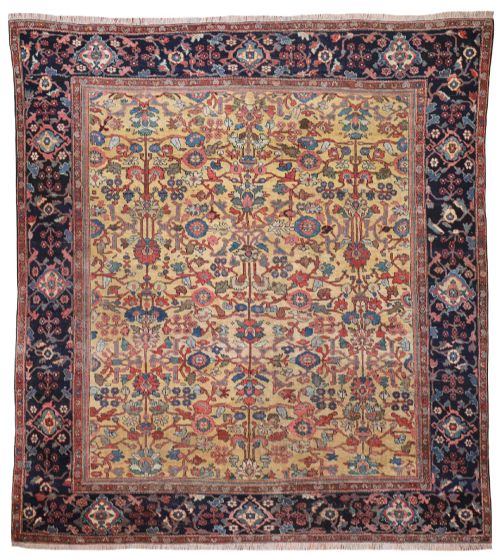
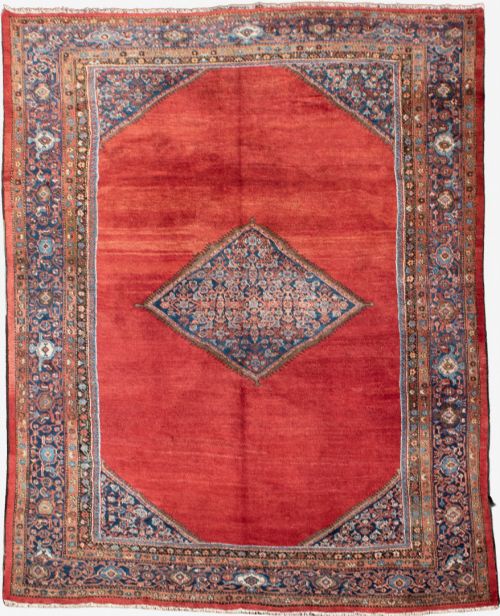
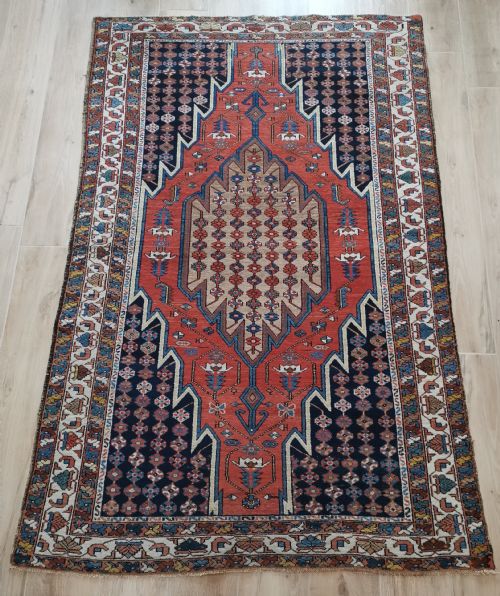
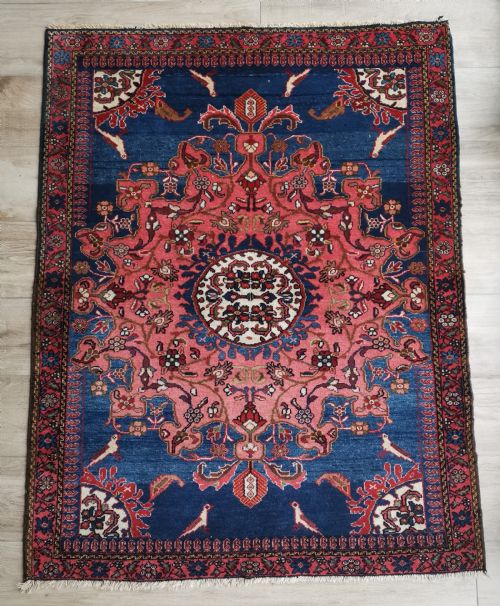
A vintage iranian carpet represents a rich heritage of textile artistry spanning from the late nineteenth century through to the mid-twentieth century. Buyers encounter diverse regional expressions such as Heriz, Ferahan, Kashan, and Tabriz, alongside nomadic tribal works.
The selections range from room-sized carpets and area rugs down to narrow runner rugs and specific prayer rugs. Most pieces seen here originate from the 1920s and late 19th century, reflecting traditional Persian weaving districts.
Traditional Persian designs dominate the selection, featuring both geometric tribal patterns and intricate floral compositions. These floor coverings function as practical domestic furnishings and historic works of art.
How They Were Made
Weavers constructed these carpets using natural materials, predominantly employing wool for the pile alongside cotton foundations. Silk also appears in specific finer productions to highlight detailed motifs.
Handwoven techniques define the construction, binding the pile yarns securely to warp and weft threads. This meticulous hand-knotting process creates durable textiles designed for generations of use.
Vintage Iranian Carpet Retail Price Guide 2026
Typical asking prices for vintage iranian carpet among the pieces listed under this phrase on Sellingantiques today, from the lower quarter to the upper quarter. They describe what is for sale here now, not the wider market.
What Varies in Quality
The density and fineness of the knotting largely determine the refinement of a piece, distinguishing grand room-sized carpets from simpler tribal rugs. Tighter knots allow for sharper definition in complex floral and medallion designs.
The choice of materials and the integrity of the pile influence overall longevity and texture. Master workshops utilise superior wool grades and precise dyeing methods that retain depth across decades.
The Vintage Iranian Carpet Glossary
- Pile
- The vertical or slanted yarn that forms the textured surface of the carpet. This is clipped to a uniform height after knotting.
- Warp
- The stationary longitudinal threads stretched on the loom before weaving begins. The foundation fringe forms from these structural yarns.
- Weft
- The horizontal threads passed alternately over and under the warp threads to bind the knots in place. These span the width of the carpet.
- Medallion
- A large central decorative motif often placed in the middle of the field. This ornamental centrepiece is common in traditional Persian designs.
Vintage Iranian Carpet: Frequently Asked Questions
Where were these carpets made?
These textiles originate from various historic weaving centres and tribal regions across Iran, including Kashan, Heriz, Tabriz, and Ferahan. Each district developed distinct regional styles and colour palettes.
Local traditions and specific available materials guided the workshops and nomadic weavers in creating their characteristic patterns.
How do I care for a vintage carpet?
Gentle vacuuming without a rotating brush helps remove dust while protecting the delicate pile and fringe. Professional cleaning is recommended for deeper maintenance.
Keeping the carpet out of harsh direct sunlight prevents the natural dyes from fading over time.
What is a tribal rug?
Tribal rugs are woven by nomadic or village groups such as the Qashqai, Afshar, and Bakhtiari peoples. These pieces typically feature memory-driven geometric patterns rather than formal workshop designs.
Their spontaneous layouts and expressive motifs reflect the daily life and cultural heritage of the weavers.
How do I tell different regional styles apart?
Distinctions arise through specific combinations of motif structures, such as the bold geometric corners of Heriz carpets versus the delicate curvilinear florals of Kashan pieces. Colour choices and border arrangements also point to specific towns or tribes.
Studying the density of the weave and the foundation materials provides further clues to a piece's geographic origin.