


Vintage Interior Portrait Art
Vintage interior portrait art brings domestic rooms and figure studies into your home, capturing domestic life and character through historical brushwork.
Vintage Interior Portrait Art
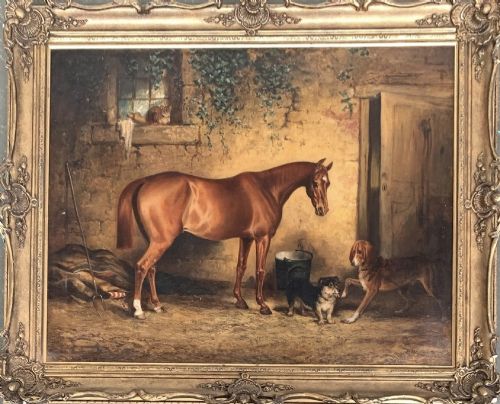
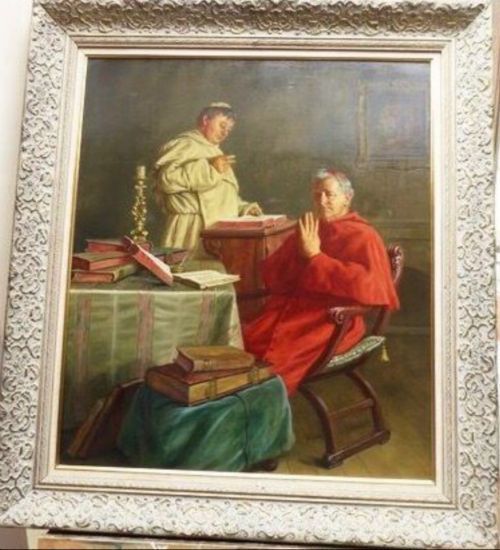
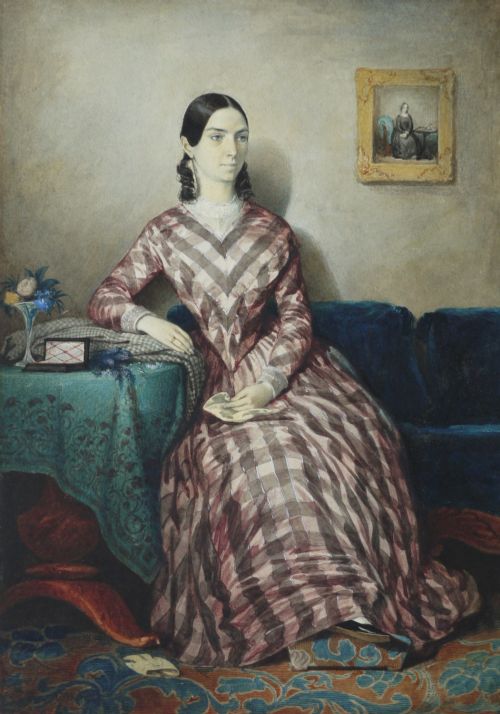
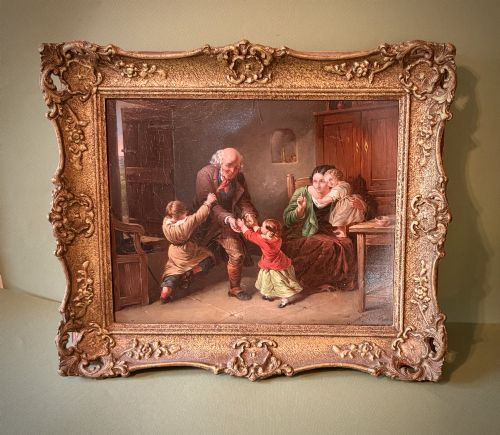
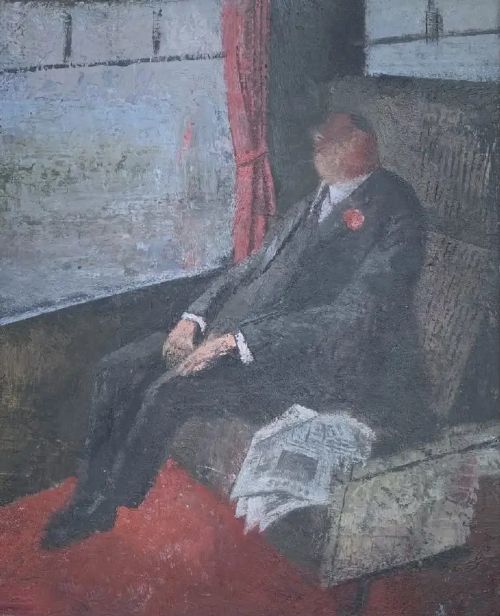
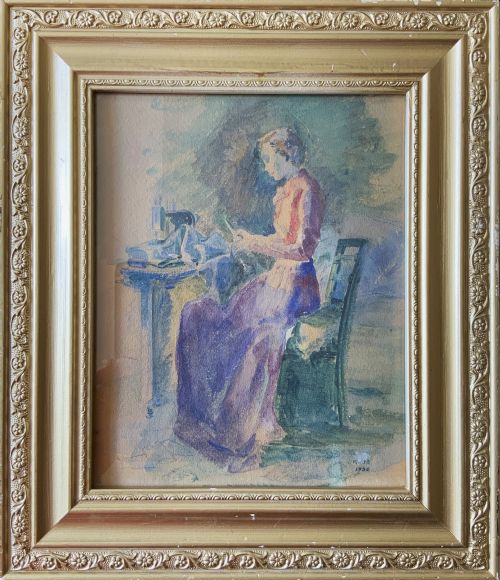
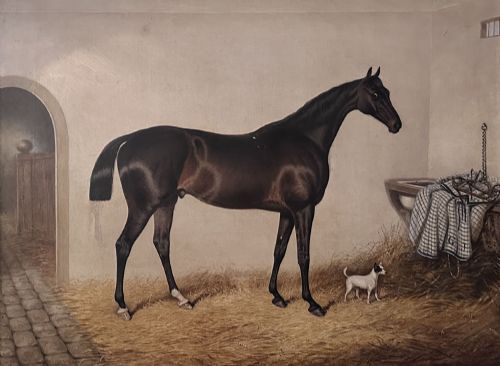
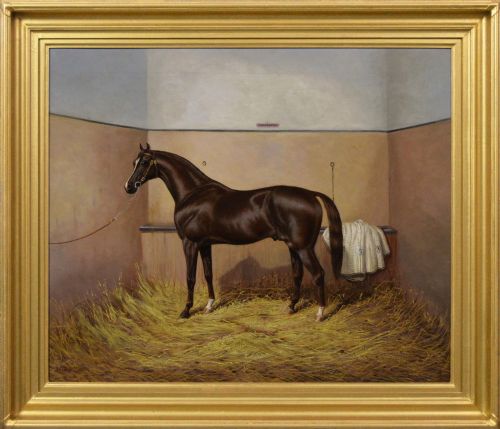
Vintage interior portrait art comprises framed paintings and watercolours depicting human figures, children, and workers situated within domestic rooms, stables, or studios. You encounter works spanning from the nineteenth century through the mid-twentieth century, capturing figures engaged in quiet moments or daily occupations.
The subjects range from solitary seamstresses and pianists to family groups in domestic spaces and stable interiors. Many pieces balance portraiture with genre painting, placing named or anonymous sitters firmly inside a defined room or architectural setting.
Materials and techniques
Artists painted these works primarily using oil paint or watercolour applied to canvas, panel, board, paper, or tin. The support often dictates the texture and preservation of the piece, with oil on canvas and wood panel providing durable surfaces for detailed brushwork.
Gold leaf frames frequently complement the oil paintings, while watercolours rely on paper supports under glass. Pigments capture the play of light through windows or within dimly lit interiors, utilising traditional layering and glazing techniques.
Listings feature works executed on canvas, wood panel, paper, board, and tin across the nineteenth and twentieth centuries.
Distinctions in quality
Quality rests upon the artist's ability to render light, shadow, and architectural depth within an enclosed room. Superior works demonstrate precise handling of facial expressions and hand gestures, whereas lesser examples rely on formulaic compositions and stiff figures.
The integration of the figure within its immediate environment separates accomplished paintings from basic studies. Stronger pieces use interior furnishings and natural illumination to anchor the subject, creating a convincing narrative atmosphere.
Albert Clark·John Watkins Chapman·James Kyd·Robert Eadie·Benjamin Cam Norton·Hans Temple·Roland Batchelor·Charles Bilger Spalding·Rolinda Sharples·Herbert Butler·Samuel John Carter·Ralph Hedley·William Shayer Snr·Jan Steen·K B Curtis
The Vintage Interior Portrait Art Glossary
- Genre painting
- Depiction of aspects of everyday life by depicting ordinary people engaged in common activities. These scenes often take place inside domestic interiors or workshops.
- Panel painting
- A painting executed on a flat panel made of wood rather than canvas. Wooden supports were common in earlier centuries and provide a rigid foundation for oils.
- Watercolour
- A painting method in which the paints are made of pigments suspended in a water-based solution. Paper serves as the primary support for these fluid works.
- Oil on canvas
- Pigments bound in a medium of drying oil applied to stretched fabric. This combination allows for rich colour blending and textured surface application.
Vintage Interior Portrait Art: Frequently Asked Questions
What is vintage interior portrait art?
Vintage interior portrait art consists of historical paintings and watercolours that show people inside rooms, homes, or workspaces. These works combine portraiture with the depiction of domestic spaces and daily life.
They offer a window into past domestic environments, clothing, and interior design through the artistic vision of Victorian and twentieth-century painters.
How were these paintings displayed originally?
Owners typically hung these framed works in parlours, drawing rooms, or studies as part of a traditional domestic interior scheme. They served as conversation pieces and personal statements of taste.
Today, they suit similar domestic settings, adding historical character and narrative depth to modern living spaces.
How do I care for a watercolour interior?
Watercolour paintings require protection from direct sunlight to prevent the fading of delicate pigments on paper. Framing behind glass with acid-free mounts safeguards the paper from environmental moisture.
Keep them away from damp walls and extreme temperature fluctuations to preserve the integrity of both the paper and the pigment.
How do I distinguish canvas from panel?
Canvas paintings present a woven textile texture beneath the paint surface and yield slightly to gentle pressure on the reverse. Panel paintings feel completely rigid and solid because they utilise wood as the primary support.
Examining the edges or the back of the work usually reveals whether the artist used stretched fabric or a rigid wooden board.