
Vintage Interior Painting
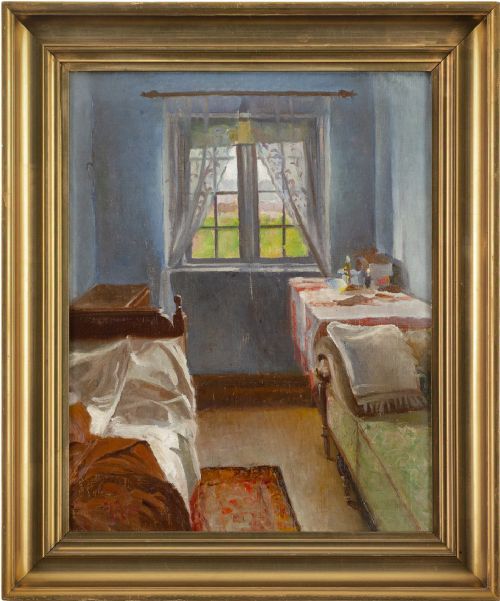
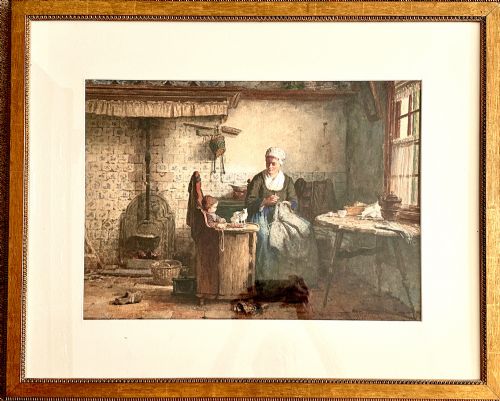
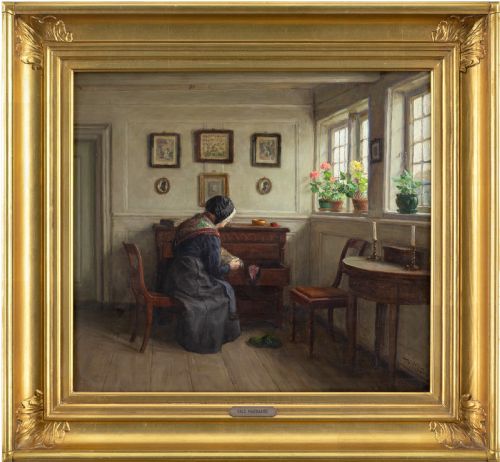
A vintage interior painting captures domestic spaces, workshops and quiet rooms through the brush of artists across the nineteenth and twentieth centuries.
Vintage Interior Painting
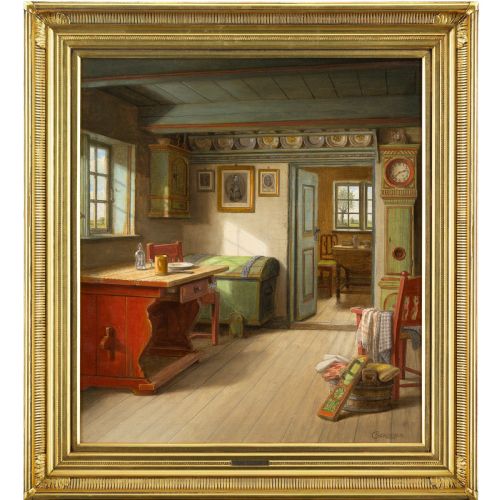
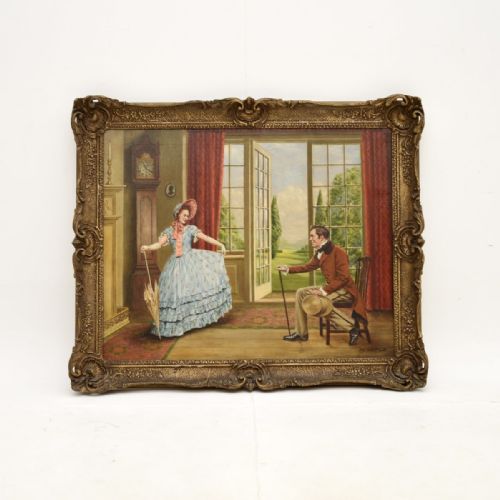
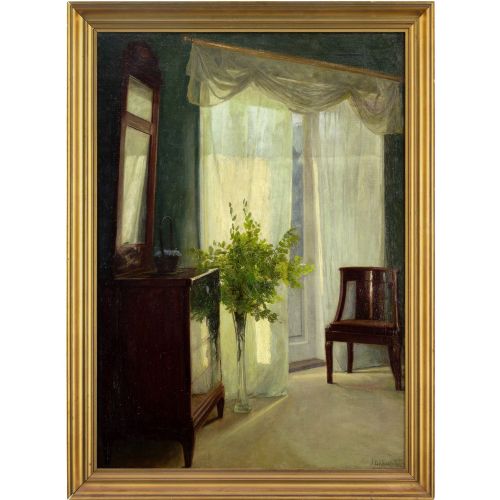
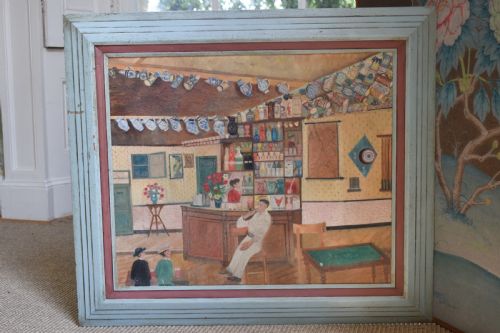
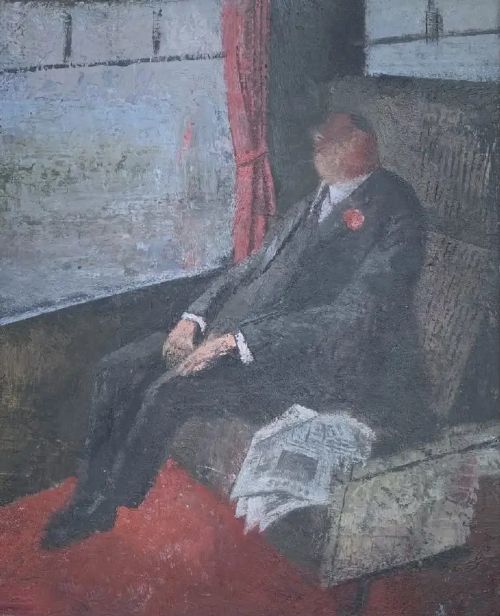
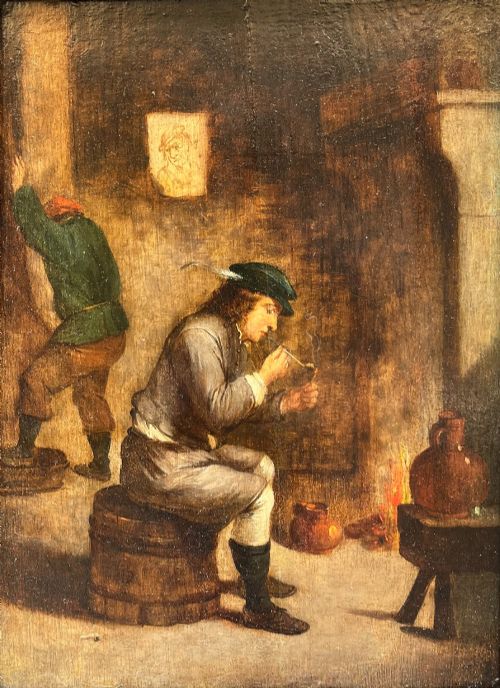
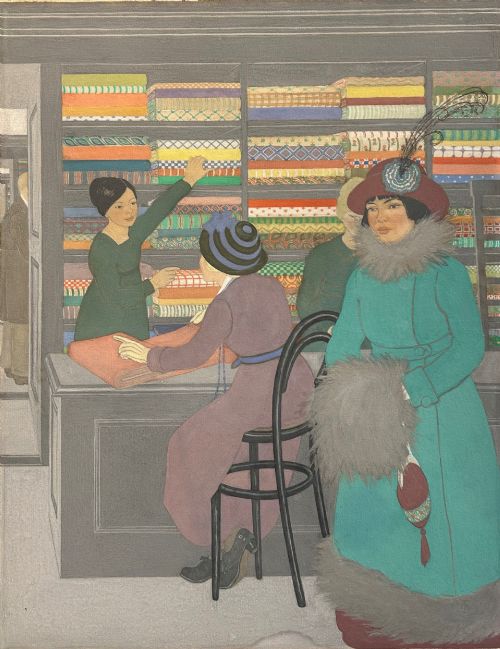
A vintage interior painting focuses on domestic rooms, workshops, taverns and quiet domestic moments captured by artists working across the eighteenth, nineteenth and twentieth centuries. These works range from intimate studies of sunlight falling through garden doors to bustling tavern scenes and calm corner rooms.
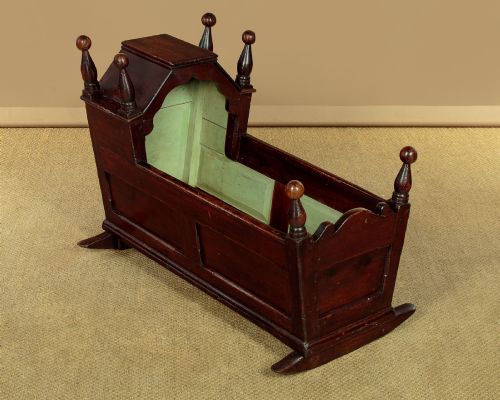
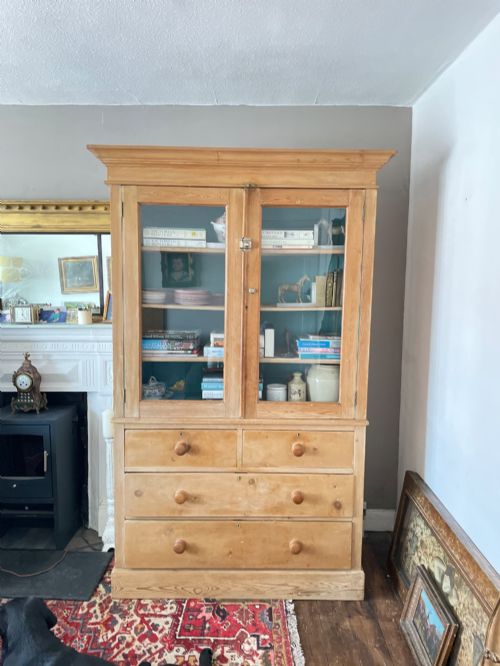
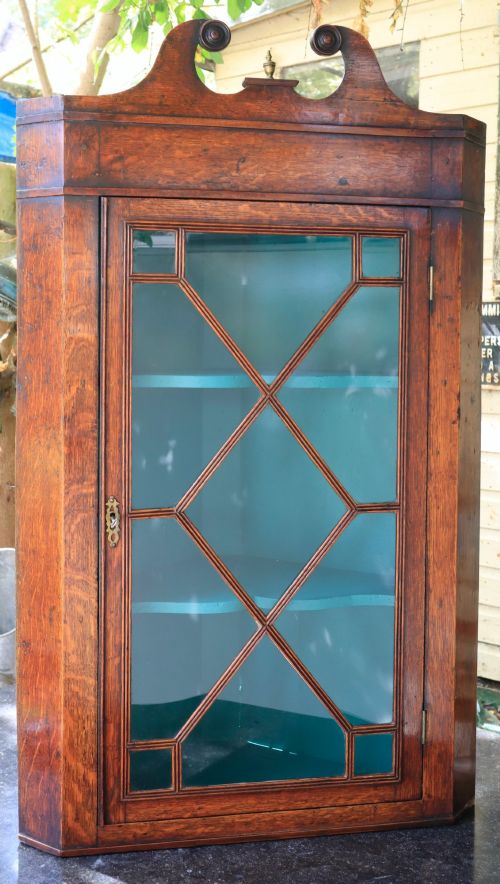
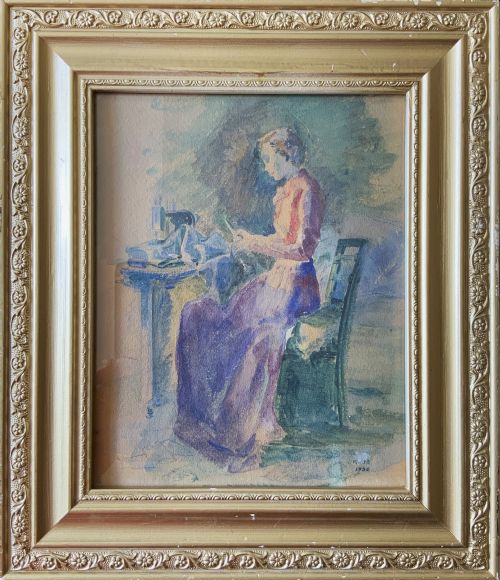
Most pieces encountered on this page date from the Victorian era through the mid-century period, utilising oil on canvas, oil on board, watercolour and oil on paper. Alongside traditional canvases, the selection includes related items such as painted interior cabinets and decorative domestic pieces.
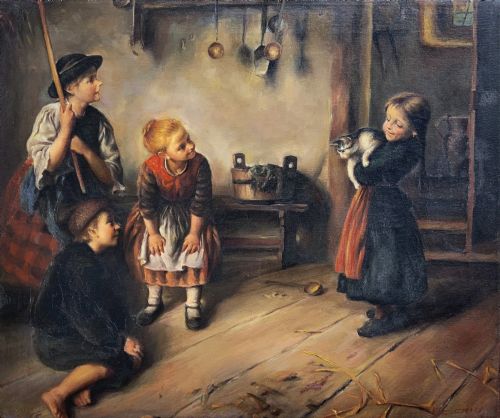
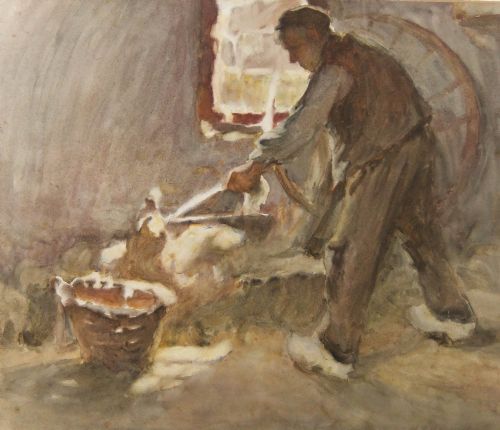
Makers and painters represented span British, Scandinavian and continental European schools, reflecting regional approaches to light, space and everyday life. Works vary from detailed genre paintings of families to modernist and impressionist interpretations of domestic rooms.
Assessing quality
Quality rests upon the artist's handling of light, atmosphere and perspective within the confined space of a room. Stronger works capture subtle transitions of natural light, such as sunlight passing through a doorway or illuminating a figure near a window.
The sophistication of the composition and the psychological depth of the figures distinguish accomplished academic and professional works from simpler sketches. Condition of the paint surface, original framing and the integrity of the canvas or board also influence the standing of an individual piece.
Physical supports range from stretched canvas and wooden panels to paper, accompanied occasionally by painted wooden furniture.
Henry Silkstone Hopwood·Alfred Lyndon Grace·John Lübschitz·Hendrik Valkenberg·Valdemar Magaard·Lilian Colbourn·Gabriel Puig Roda·James Kyd·Robert Eadie·George Smith·John Watkins Chapman·Albert Clark·Knud Edsberg·Carl Fischer·Robert Panitzsch·René Caty·Jacob Meyer·Poul Friis Nybo·Sophus Vermehren
The Vintage Interior Painting Glossary
- Genre painting
- A style of artwork that depicts aspects of everyday life by depicting ordinary people engaged in common activities. These scenes often take place in domestic interiors, kitchens or taverns.
- Chiaroscuro
- An artistic technique involving strong contrasts between light and dark, usually bold contrasts affecting a whole composition. Painters utilised this method to create dramatic depth within enclosed rooms.
- Oil on canvas
- Pigments suspended in a drying oil medium applied to a stretched woven fabric support. This combination allows for rich blending of colours and varied surface textures.
- Post-Impressionism
- An art movement that developed from about eighteen-eighty to the early twentieth century, extending impressionism while rejecting its limitations. Artists sought to express emotional responses through vivid colour and structure.
- Watercolour
- A painting method in which the paints are made of pigments suspended in a water-based solution. The technique relies on translucent washes of colour applied to paper.
Vintage Interior Painting: Frequently Asked Questions
What is a vintage interior painting?
A vintage interior painting is a work of art depicting indoor scenes, ranging from domestic rooms and studies to tavern interiors and workshops. These paintings record how artists across different decades observed domestic life, furniture and natural light.
Most examples date from the nineteenth and twentieth centuries, capturing the changing fashions and domestic architecture of their respective periods.
How should I hang an oil painting?
Oil paintings on canvas or board require stable indoor environments away from direct sunlight and excessive humidity. Proper hanging involves securing the frame firmly to wall studs using appropriate hardware suited to the weight of the piece.
Keeping the artwork at a comfortable room temperature helps preserve both the wooden stretcher frames and the painted surface over time.
How do I identify the period of a painting?
Dating an interior painting involves examining the clothing of the figures, the style of the interior furniture, and the materials of the canvas or stretcher frame. Signatures, dates inscribed on the reverse, and framing styles offer further clues to the decade of creation.
Comparing the technique with known works by the same school or artist helps narrow down the historical context.
What is the difference between oil and watercolour?
Oil paint uses a drying oil binder that sits on the surface of canvas or board, allowing for thick impasto marks, blending and deep colour saturation. Watercolour uses a water-soluble binder on paper, producing translucent layers and a lighter, more luminous effect.
Watercolours are typically displayed behind glass for protection, whereas traditional oil paintings on canvas remain unglazed.