
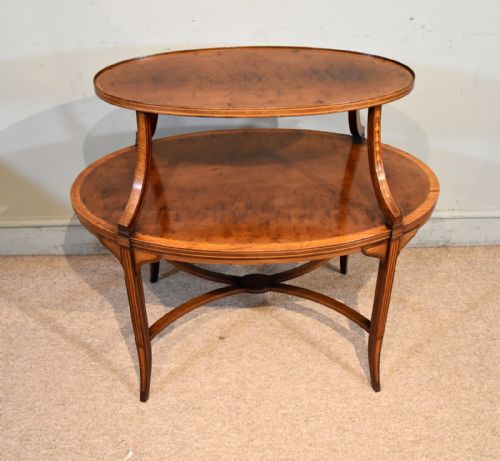
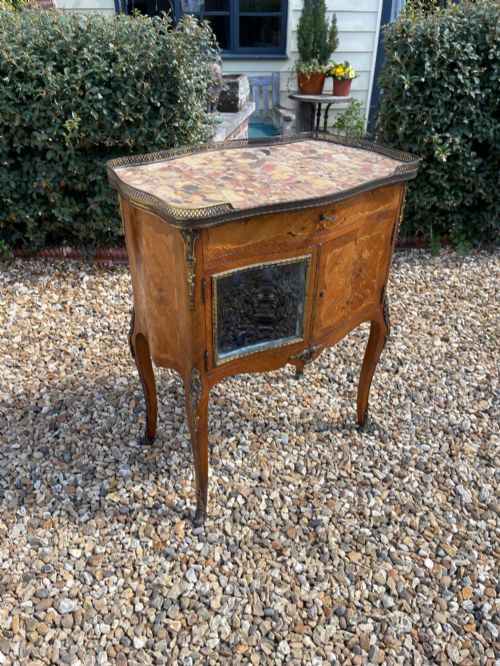


Vintage Inlaid Display Table
These vintage inlaid display table options combine glass, cabinetwork and precious woods to showcase small treasures in domestic rooms.
Vintage Inlaid Display Table
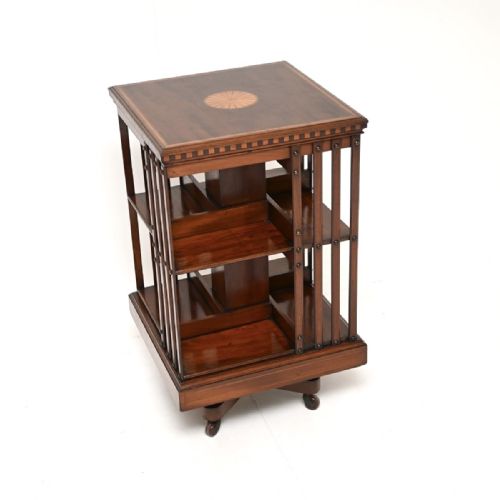
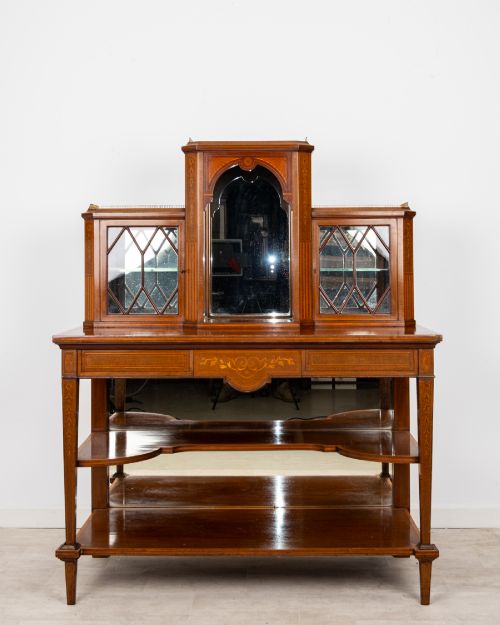
A vintage inlaid display table brings together functional occasional furniture and glazed compartments designed for showing small objects. The pieces appearing most frequently originate in the Edwardian period and the late nineteenth century, leaning heavily on mahogany, satinwood and rosewood structures.
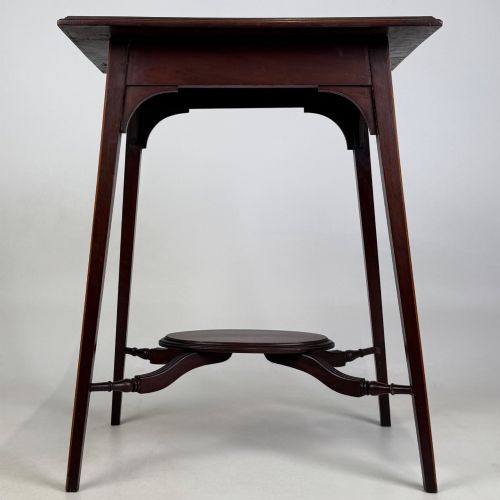
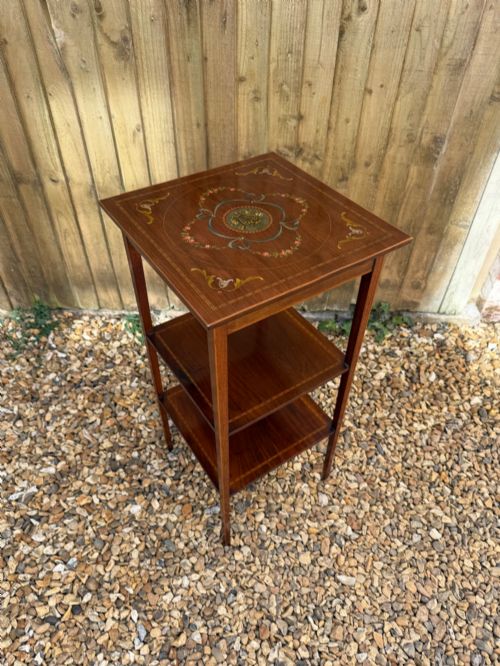
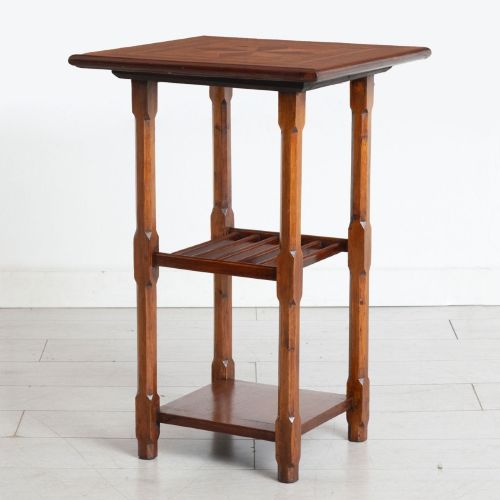
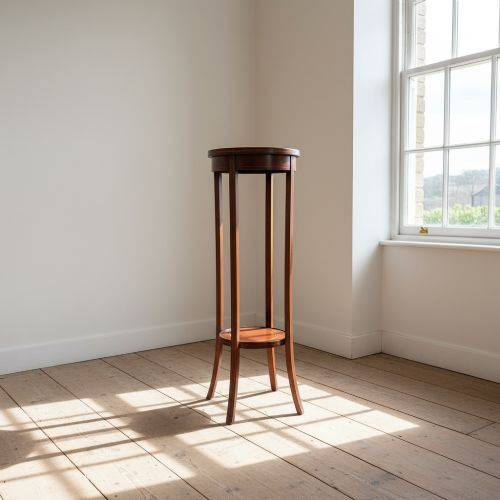
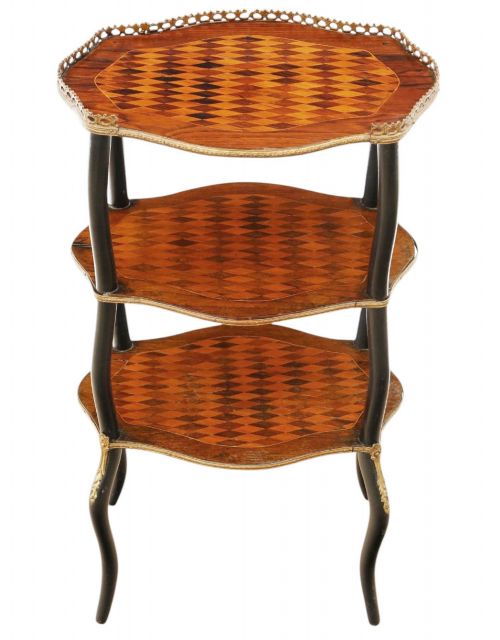
Forms span bijouterie tables, etageres, plant stands and tea tables, alongside occasional side tables fitted with glass panels or tiered shelves. Many examples display the characteristic lighter wood stringing and classical motifs of the Sheraton Revival style alongside French influences.
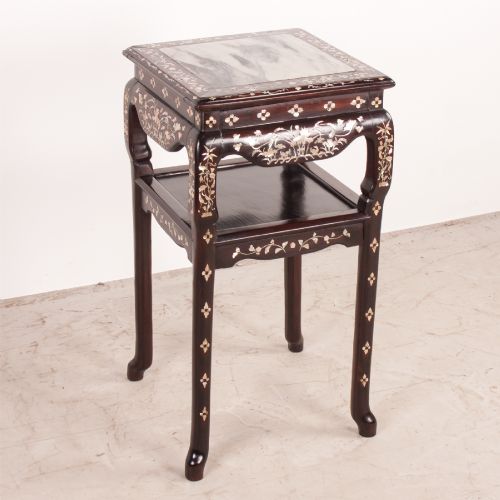
Origins stretch from English workshops to French cabinetmakers and Chinese export production incorporating mother of pearl. Buyers find everything from compact plant stands to multi-tiered display shelves sharing floor space.
Materials and construction methods
Makers built the primary carcase using solid and veneered timbers, predominantly mahogany, walnut and satinwood, often contrasted with boxwood inlay. Cabinetmakers inserted glass panels into hinged lids for tabletop display cabinets, creating dust-free compartments for precious items.
Surface decoration relied on precise marquetry, parquetry and contrasting stringing, sometimes augmented by cast ormolu mounts on French pieces. Turning and joinery shaped the slender legs and tiers of etageres and occasional tables.
Among the display furniture, unexpected companions include a Balkan bone-handled knife and fork alongside a Brazilian butterfly table.
Judgements of quality
Quality rests on the crispness of the timber inlay and the tightness of the joinery where legs meet tiers and table tops. Dense figuring in the mahogany or satinwood veneer distinguishes superior examples from plain utility pieces.
The weight and clarity of the glass panels, the finish of brass hinges, and the integration of ormolu mounts separate standard production from finer parlour furniture.
The Vintage Inlaid Display Table Glossary
- Bijouterie table
- A glass-topped display table created specifically for housing small ornaments, medals or jewellery. These pieces usually feature a hinged or lifting glazed lid.
- Etagere
- A set of open shelves for displaying small objects, staged across multiple tiers. Originating in France, these pieces frequently incorporate inlaid surfaces.
- Marquetry
- Decorative woodwork where pieces of contrasting veneer form pictorial or geometric patterns. Artisans fit the thin wood sections precisely into a prepared background.
- Sheraton Revival
- A late nineteenth and early twentieth century design movement drawing on the light, classical furniture of George Sheraton. Pieces typically feature satinwood, boxwood inlay and slender tapered legs.
- Stringing
- Thin lines of contrasting wood inlaid into the surface of a furniture piece to form borders and geometric frames. This technique outlines drawer fronts, tabletops and legs.
Vintage Inlaid Display Table: Frequently Asked Questions
What is a bijouterie table?
A bijouterie table is a display table featuring a glazed top and sides, designed to exhibit small collections of ornaments, coins or jewellery safely.
Cabinetmakers lined the interiors of these compartments with velvet or silk to provide a contrasting background for the objects placed inside.
How do I date an inlaid table?
Dating relies on identifying timber choices, construction techniques and stylistic revivals such as Sheraton Revival or French Rococo influences. Edwardian and late nineteenth-century pieces often combine mahogany with satinwood inlay and slender tapered legs.
Secondary woods inside drawers and the fastening methods of hinges and glass panels offer further clues to the manufacturing decade.
Where should I place a display table?
These tables suit drawing rooms, hallways and studies where visitors can view the contents through the glass tops or open tiers. Placing them away from direct sunlight protects both the polished wood surfaces and any textiles stored inside.
Smaller etageres and plant stands fit neatly into corners or against shorter wall spaces.
How are etageres different from side tables?
Etageres consist of multiple open tiers designed specifically for storage and display, whereas side tables usually provide a single surface with optional lower shelves. Etageres emphasise vertical display space across graduated shelves.
Both forms utilise inlaid timber decoration, but etageres prioritize shelving capacity over a primary working surface.