


Vintage Ink Drawing
A vintage ink drawing captures gesture and line with direct immediacy, offering collectors intimate access to an artist's hand.
Vintage Ink Drawing
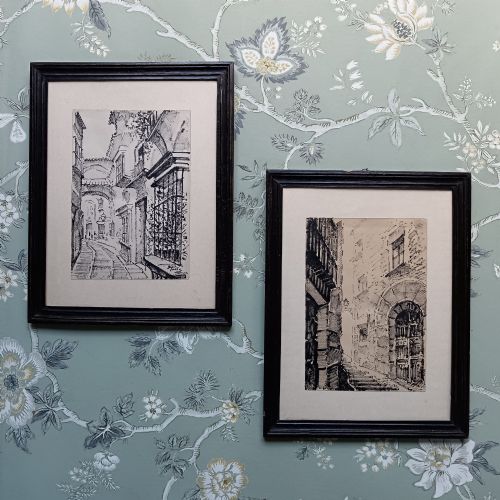
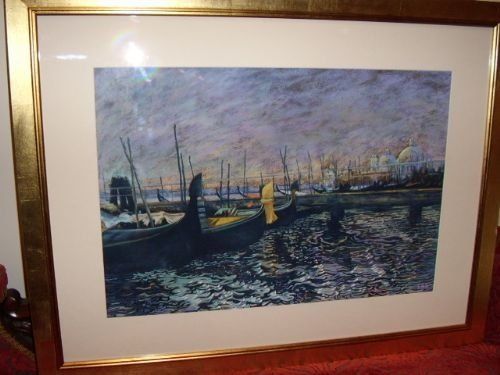
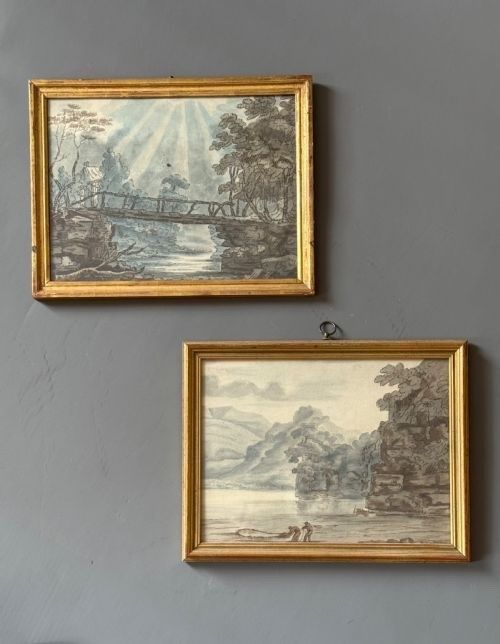
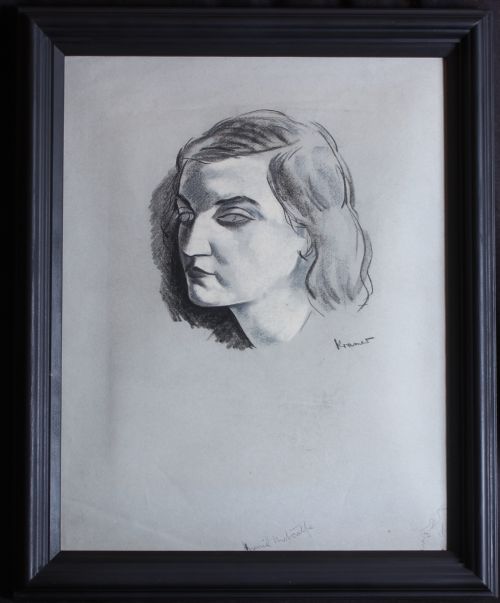
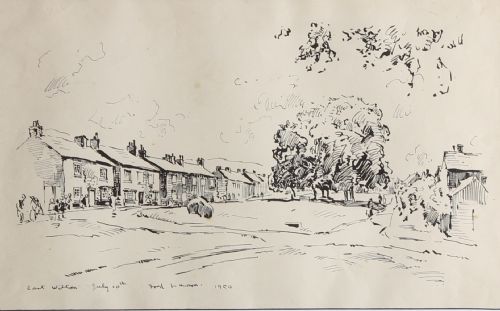
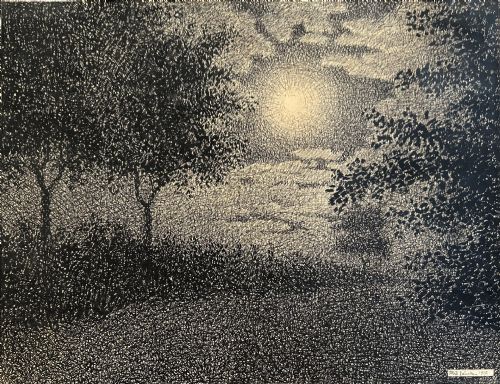
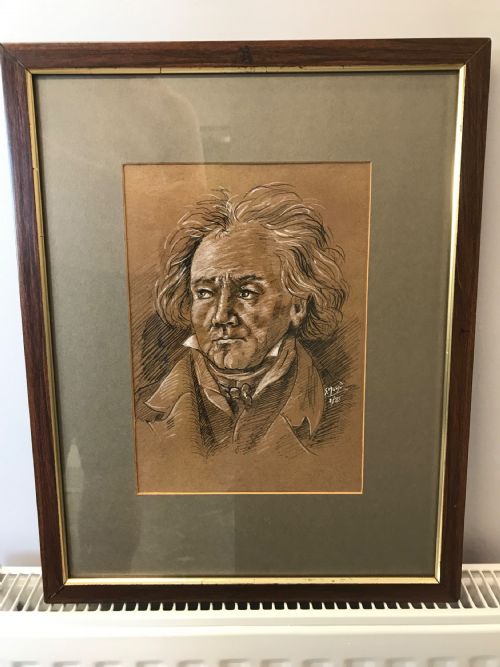
When you search for a vintage ink drawing, you encounter works executed on paper spanning from the eighteenth century through the mid-twentieth century. These pieces encompass landscapes, architectural studies, portraits, and narrative scenes created with pen, wash, and sometimes added colour.
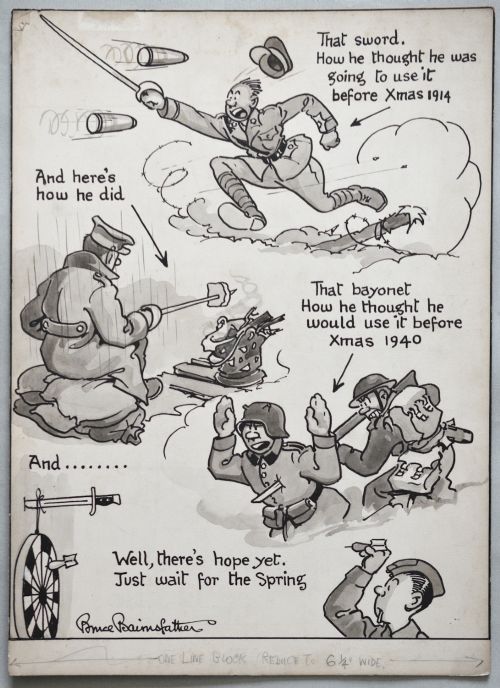
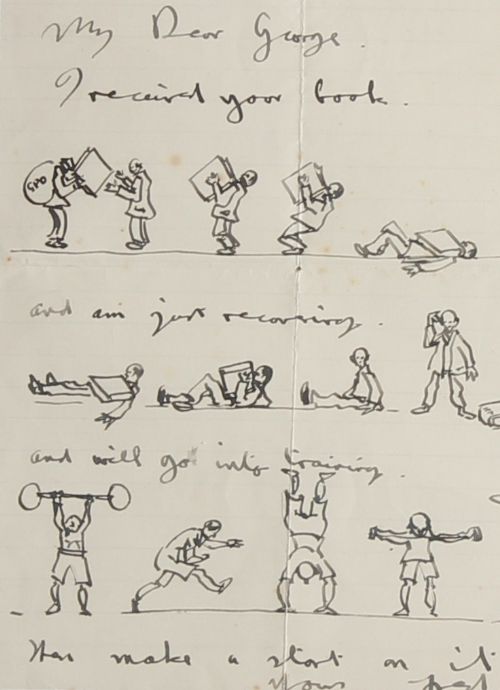
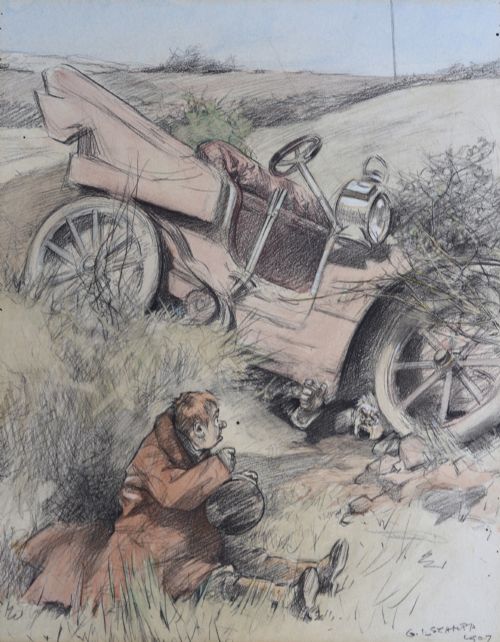
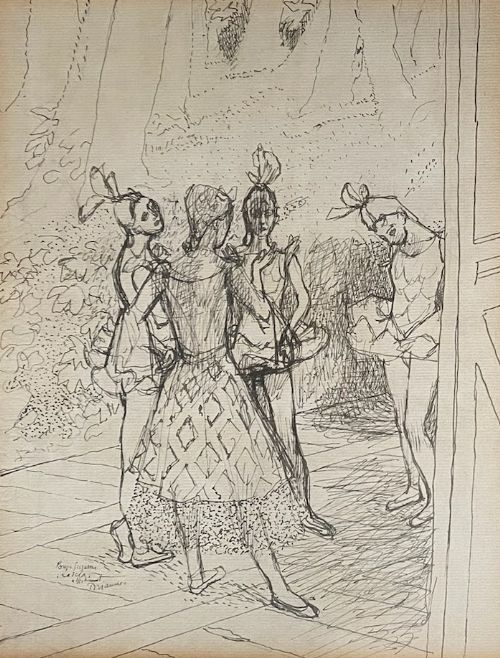
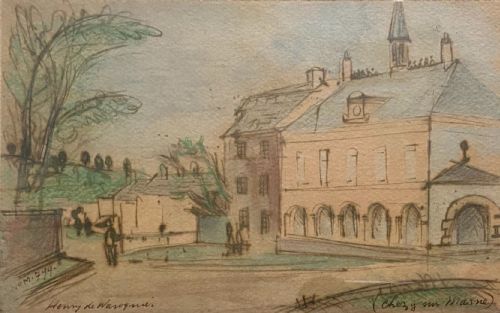
The selections on this page frequently originate from British, French, and Dutch hands, ranging from informal artist letters to finished gallery watercolours. You meet works tied to specific movements such as Modern British, Edwardian, and Georgian styles.
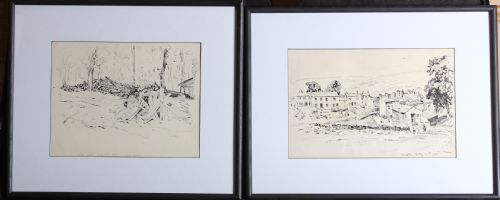
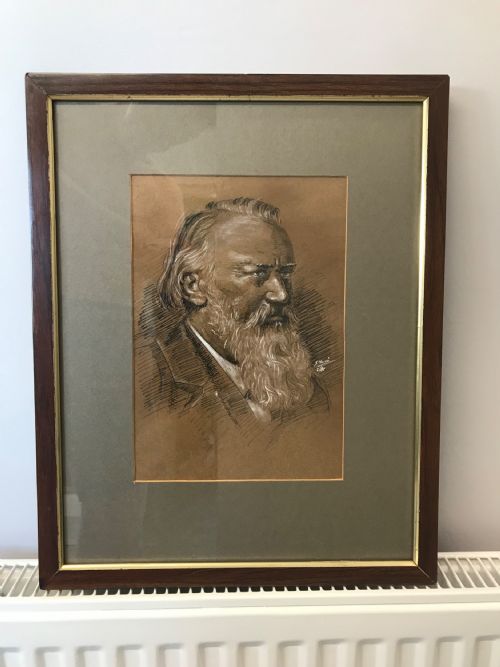
Framed artwork and delicate works on paper dominate the offerings, often protected behind glass in wooden surrounds. These drawings serve as direct records of historical draughtsmanship and personal artistic vision.
Materials and technique
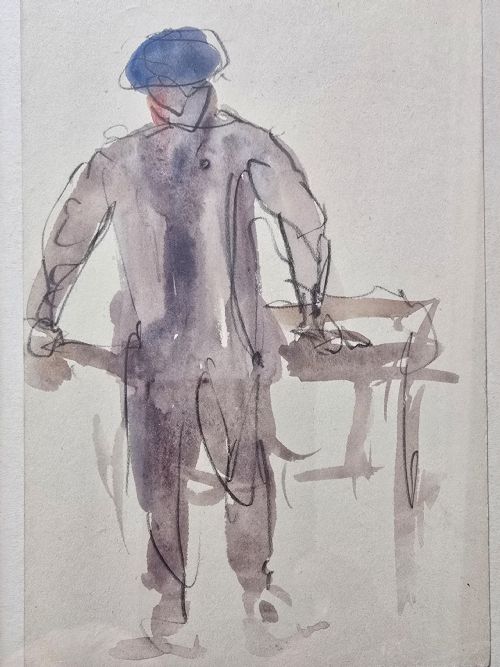
Artists utilise iron gall or carbon-based inks applied with metal nibs, reed pens, or brushes directly onto rag paper. These lines are frequently augmented with grey wash or watercolour to establish shadow and depth.
Pencil underdrawing often remains visible beneath the ink, revealing the initial placement of forms before final definition. Gouache and pastel occasionally appear to highlight focal points or add opaque colour.
Support materials consist primarily of handmade or mould-made papers, which show subtle texture and tone accumulated over decades or centuries. Glazing with glass protects these vulnerable organic surfaces from airborne moisture and handling.
Vintage Ink Drawing Retail Price Guide 2026
Typical asking prices for vintage ink drawing among the pieces listed under this phrase on Sellingantiques today, from the lower quarter to the upper quarter. They describe what is for sale here now, not the wider market.
Several drawings preserve the hurried handwriting of artists dashing off letters to friends alongside their sketches.
Assessing the work
The mastery of line and economy of stroke distinguish exceptional draughtsmanship from routine exercise. A superior sheet demonstrates confidence and precision, where every mark contributes directly to the form without hesitation or correction.
The integrity of the paper and the stability of the ink govern the physical longevity of the piece. Minimal acid burn, absence of heavy foxing, and strong contrast between dark ink and aged paper elevate a drawing's visual impact.
Jacob Kramer·Fred Lawson·George Lorain Stampa·Bruce Bairnsfather·Maurice Brianchon·Henry de Waroquier·Michael Healy·Gen Paul·James Tower·Edward Dayes·Louis Wain·Lucien Freud·Lawrence Stephen Lowry·Johan Noah Bemmel·John Duncan Fergusson·Kees van Dongen·Dame Laura Knight
The Vintage Ink Drawing Glossary
- Wash
- A diluted application of ink or watercolour used to create transparent areas of tone and shadow. It is layered over dried ink lines to establish depth in a composition.
- Gouache
- An opaque water-based paint composed of pigment, water, and a binding agent such as gum arabic. Artists use it alongside ink to introduce solid highlights and opaque colour.
- Foxing
- Brown spots and discolouration that develop on old paper due to chemical reactions involving iron impurities and humidity. These marks are common in works dating from the eighteenth and nineteenth centuries.
- Monochrome
- A work executed in a single colour, typically black, brown, or sepia ink. This limitation places total emphasis on line weight, hatching, and tonal wash.
Vintage Ink Drawing: Frequently Asked Questions
How should I frame a vintage ink drawing?
Protect the paper by using acid-free mount board and conservation-grade backing to prevent chemical degradation over time.
Hang the artwork away from direct sunlight to avoid fading the ink lines and watercolour washes.
What is the difference between a sketch and a finished drawing?
A sketch prioritises exploration and rapid capture of form, often showing visible pencil lines and compositional adjustments.
A finished drawing displays deliberate execution, controlled shading, and often a signature or formal title intended for exhibition.
How do I identify the period of an ink drawing?
Examine the watermark on the paper, the style of handwriting on the mount or reverse, and the clothing or architecture depicted in the scene.
stylistic markers like Georgian framing or mid-century abstract tendencies also offer clear chronological clues.
Can ink drawings fade over time?
Certain historical formulations, particularly iron gall ink, can lighten or turn brown with prolonged exposure to bright light and fluctuating humidity.
Keeping the piece behind UV-filtering glass helps preserve the contrast of the original lines.