



Vintage Industrial Seating
Vintage industrial seating combines the heavy utility of the nineteenth and early twentieth centuries with robust metals and seasoned timbers.
Vintage Industrial Seating
Vintage industrial seating covers heavy utility furniture designed for workshops, factories, transport systems and offices, spanning from the nineteenth century through the 1930s. Buyers searching for vintage industrial seating meet sturdy stools, benches and workshop chairs shaped by practical work rather than decoration.
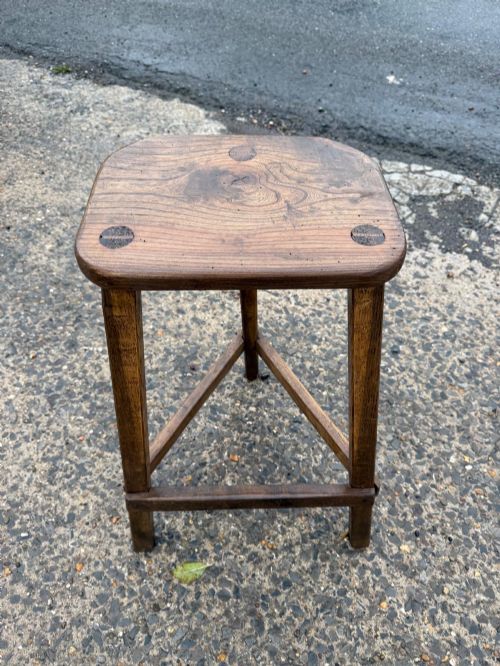
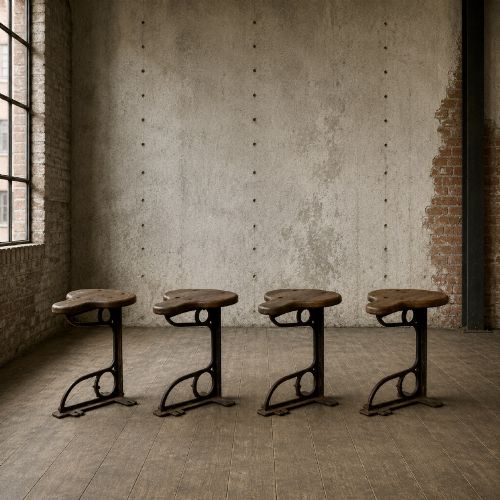
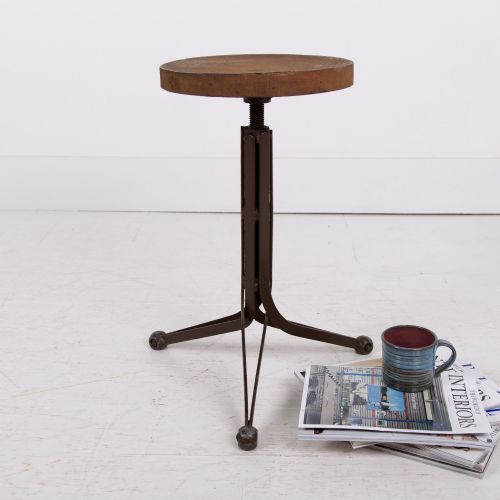
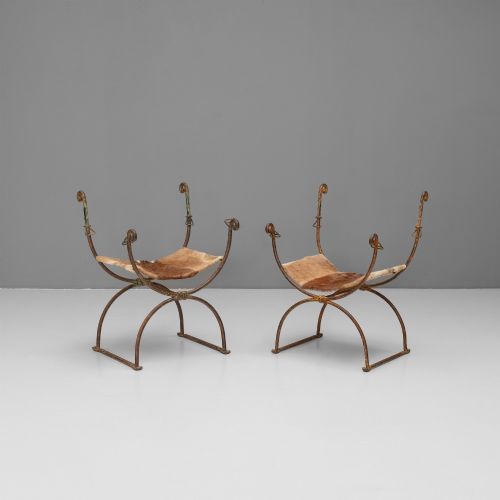
The selections here lean heavily toward cast iron, steel, oak, elm and pitch pine, taking forms such as machinist stools, revolving workshop chairs, office seating and railway benches. These pieces originate from settings like mills, blade workshops and tram systems, carrying honest wear from decades of daily use.
How they were made
Makers built these pieces using cast iron and steel frames to endure heavy workshop environments, often joining metal components with rivets or bolts. Wood elements such as oak, elm, pitch pine and walnut formed solid seats and benches, chosen for their toughness under constant strain.
Moving parts relied on simple mechanical principles, utilising threaded spindles for height adjustment or pivoting cast iron mechanisms for revolving seats and reversible tram backs. The construction prioritised function and durability above all else, resulting in robust framing that survives intact today.
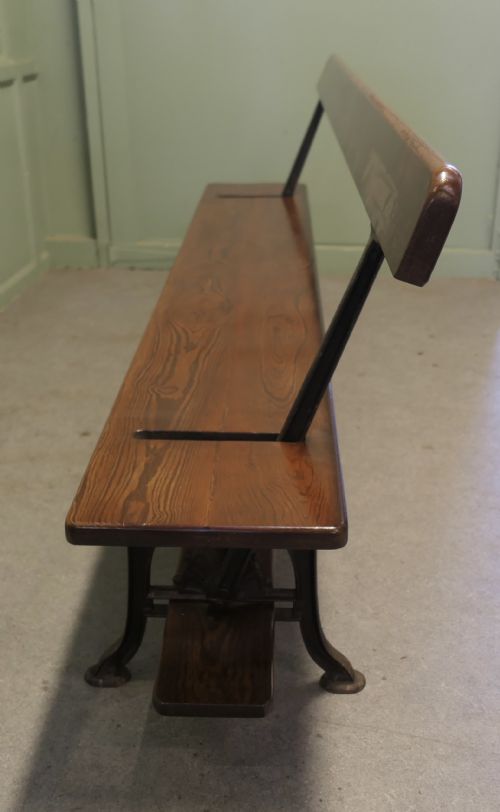
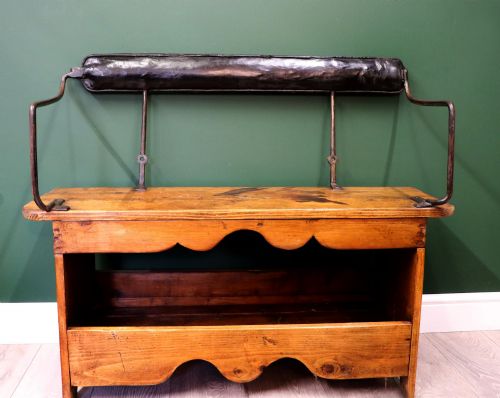
Some nineteenth-century railway benches feature flip-over backs originally designed so commuters could watch the steam trains approach from either direction.
What varies in quality
Quality in these pieces rests upon the integrity of the original mechanical parts, such as whether a revolving swivel action or an adjustable threaded spindle operates smoothly without excessive play. The grade of the timber seat and the weight of the cast iron base also distinguish standard utility items from heavy-duty workshop examples.
Unaltered surfaces and original factory patination elevate a piece above examples that have undergone heavy restoration or replacement components. Maker marks and cast iron lettering provide further distinction, marking out items produced by established industrial foundries and specialised manufacturers.
Rubery Owen·Singer·Evertaut
The Vintage Industrial Seating Glossary
- Cast iron
- A strong, heavy iron-carbon alloy poured into moulds to create rigid bases and intricate machine parts. It forms the stable foundation for many workshop stools and chairs.
- Pitch pine
- A durable, resinous softwood commonly utilised for heavy-use seating and benches. Its dense grain withstands knocks and heavy wear in public and industrial settings.
- Revolving stool
- A seat mounted on a central threaded spindle or pivot allowing 360-degree rotation. This mechanical adjustment allowed workers to turn easily between tasks.
- Reversible bench
- A long seat featuring a pivoting backrest that flips from one side to the other. Transport companies utilised this design on trams and railway platforms so passengers could face either direction.
Vintage Industrial Seating: Frequently Asked Questions
How do I identify a genuine workshop stool?
Look for heavy cast iron framing, integrated mechanical adjustment screws and solid timber seats showing genuine dents and marks from factory use. Authentic examples usually carry structural weight and functional simplicity born from industrial necessity.
Check for maker markings cast directly into the iron base or stamped onto the metal brackets. Modern reproductions rarely replicate the specific weight distribution and surface patination accumulated over decades in mills and workshops.
Can I use industrial bar stools in a modern kitchen?
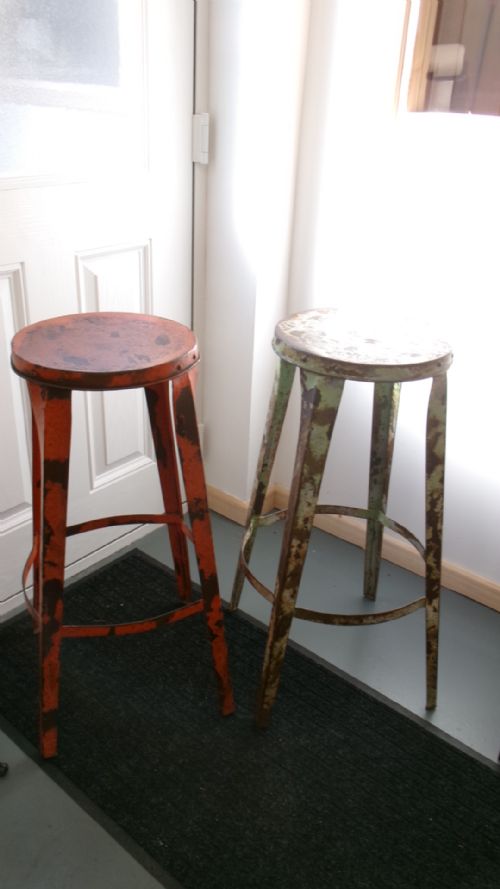
Industrial stools suit modern domestic kitchens very well, providing robust seating around islands and breakfast bars. Their metal and wood construction matches contemporary interior aesthetics while offering a practical, space-efficient footprint.
Ensure you check the seat height against your counter measurements before purchasing, as adjustable screw mechanisms often allow for varying clearance. Adding felt pads to the base metal feet will protect domestic flooring from scratching.
How do I care for exposed cast iron and wood?
Maintain cast iron bases by wiping them clean with a dry cloth and occasionally applying a light coat of clear wax to seal the metal against moisture. Avoid harsh chemical cleaners that strip away the original dark patination.
Treat wooden seats and benches with natural beeswax or furniture oil to nourish dry timber and prevent splitting. Keeping the furniture away from direct heat sources will protect both the joints and the finish.
What is the difference between a machinist chair and an office chair?
Machinist chairs generally feature simple, compact wooden or metal seats mounted on heavy cast iron tripod or four-legged bases without upholstery. They were built for mobility and durability in cramped workshop conditions.
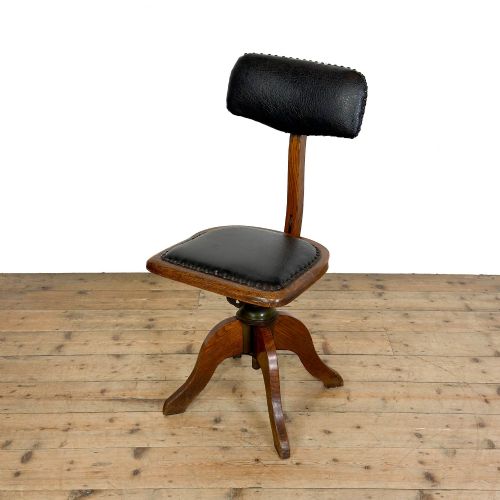
Office chairs from the same era often incorporate more supportive backrests and occasionally swivelling or tilting wooden frames designed for prolonged desk work. Both types share robust mechanical construction but catered to distinct workplace environments.