



Vintage Industrial Chair
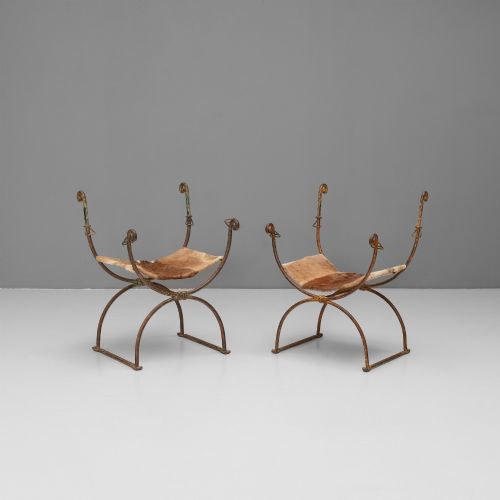
These vintage industrial chair examples combine utilitarian strength and honest mechanics, offering enduring character and sturdy seating for modern rooms.
Vintage Industrial Chair
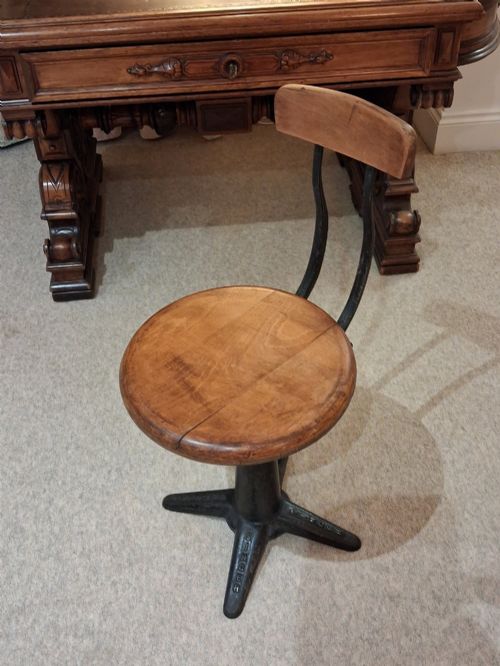
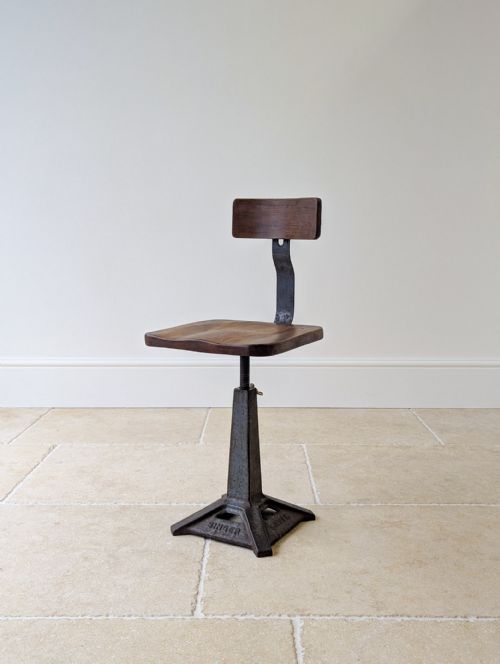
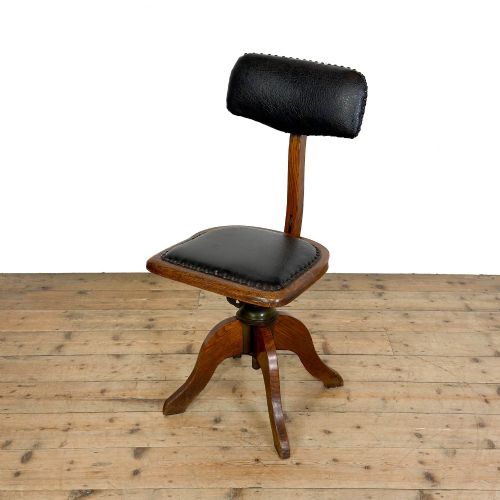
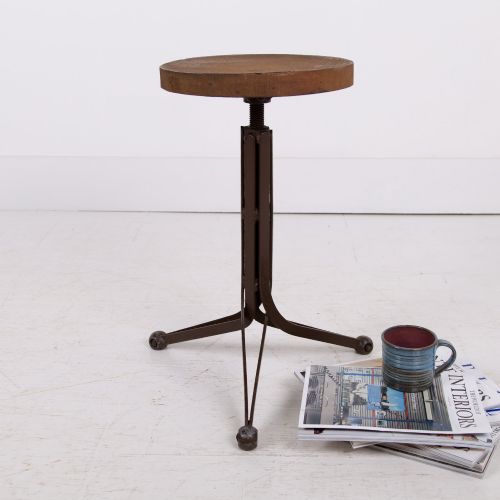
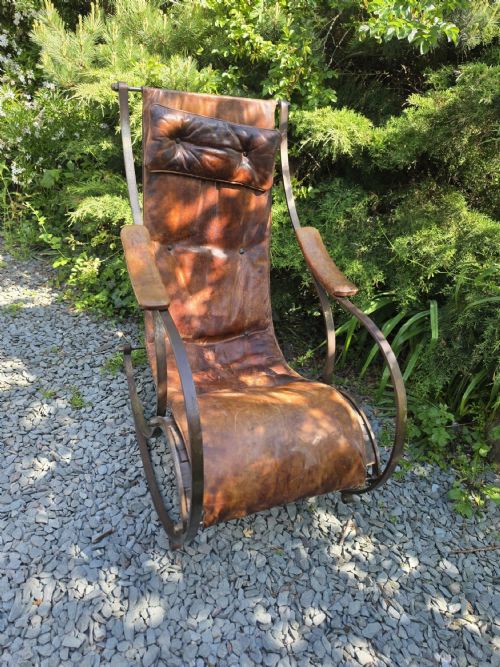
A vintage industrial chair serves as practical, sturdy seating built for workshops, offices, and factories during the nineteenth and early twentieth centuries. When searching for a vintage industrial chair, buyers encounter diverse forms ranging from revolving stools and machinist seats to leather rocking chairs and bar stools.
The selections visible here most frequently date from the early twentieth century around nineteen thirty, alongside pieces spanning the nineteenth century and Victorian period. These examples typically incorporate metal frames with timber seats, bridging the gap between utilitarian workshop equipment and functional domestic furniture.
Construction and materials
Makers constructed these pieces using durable materials like cast iron, steel, and iron to withstand demanding workshop and factory environments. Structural metal components frequently combine with wooden elements such as elm, oak, and walnut for seats and supports.
Leather upholstery appears on specific seating types, including rocking chairs and bar stools, adding comfort to robust metal frames. Manufacturing techniques prioritised mechanical longevity, utilising riveted joints, adjustable screw mechanisms, and heavy metal castings.
Vintage Industrial Chair Retail Price Guide 2026
Typical asking prices for vintage industrial chair among the pieces listed under this phrase on Sellingantiques today, from the lower quarter to the upper quarter. They describe what is for sale here now, not the wider market.
Some nineteenth-century dentists and machinists shared a surprising appreciation for heavy cast iron swivel mechanisms.
Judging quality and character
Quality in these pieces rests upon the integrity of the original mechanical components, such as revolving screw adjustments and swivel mechanisms that still operate smoothly. Maker attribution also elevates certain examples, particularly those bearing recognisable factory or foundry names on iron castings.
The condition and authenticity of surface patination distinguish finer examples from ordinary utility seating. Original timber seats displaying honest wear pair with sound metal frames to create the most desirable specimens.
Singer·Rubery Owen·R W Wingfield·Evertaut
The Vintage Industrial Chair Glossary
- Cast iron
- A strong, heavy alloy poured into moulds to create rigid bases and decorative framework. It forms the structural foundation for many workshop stools.
- Machinist chair
- A utilitarian workshop seat designed with adjustable height mechanisms for factory operatives. These typically feature metal pedestals and wooden saddle seats.
- Revolving stool
- A seat featuring a threaded central spindle allowing height adjustment through rotation. Victorian examples frequently utilise heavy iron tripods.
- Patina
- The surface appearance developed through age, use, and polishing over decades. Collectors value surfaces that show authentic wear without artificial distressing.
Vintage Industrial Chair: Frequently Asked Questions
How do I identify a true workshop chair?
Authentic workshop seating displays heavy iron or steel construction paired with utilitarian wooden seats designed for heavy daily use.
Look for functional adjustments, manufacturer stamps on the metalwork, and genuine wear patterns accumulated in factory environments.
Are these seats comfortable for daily desk use?
Many designs offer surprising ergonomic support through contoured wooden saddle seats and adjustable height mechanisms.
Models featuring upholstered leather or padded elements provide additional cushioning for extended sitting periods at modern desks.
How do I clean metal and wood frames?
Preserve the original surface by dusting regularly with a dry cloth and applying appropriate wax to exposed timber elements.
Avoid harsh chemical cleaners on metal components to protect the historic patination and prevent damage to the finish.
Can I use these stools outdoors?
Most antique metal and wood seating is intended for indoor use where moisture levels remain controlled and stable.
Exposure to outdoor weather causes iron components to rust and wooden seats to warp or split over time.