



Vintage Indian Lamp Base
A vintage Indian lamp base brings rich texture and hand-painted colour to a room, offering an atmospheric focal point.
Vintage Indian Lamp Base
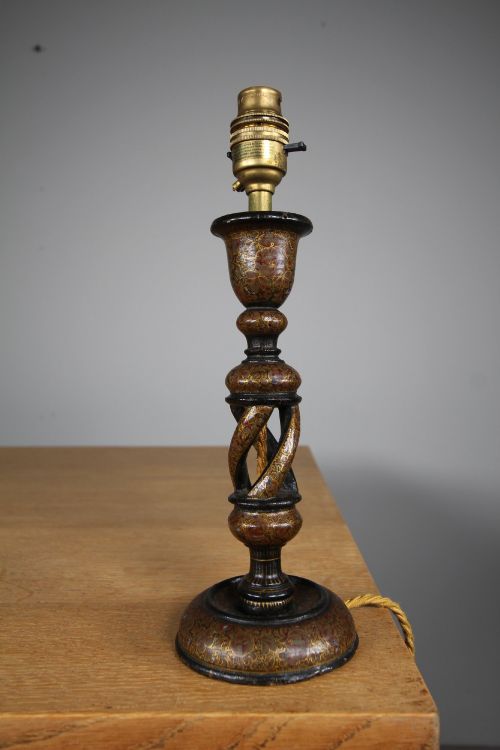
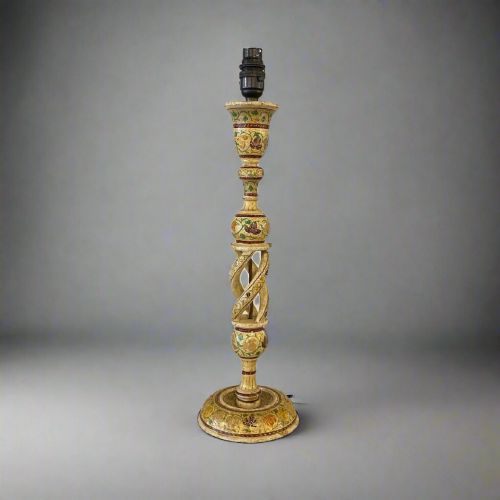
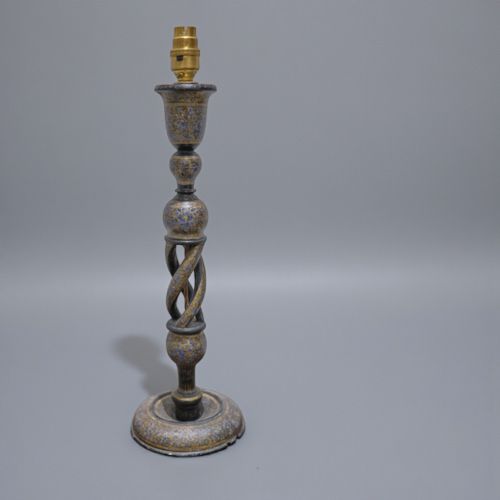
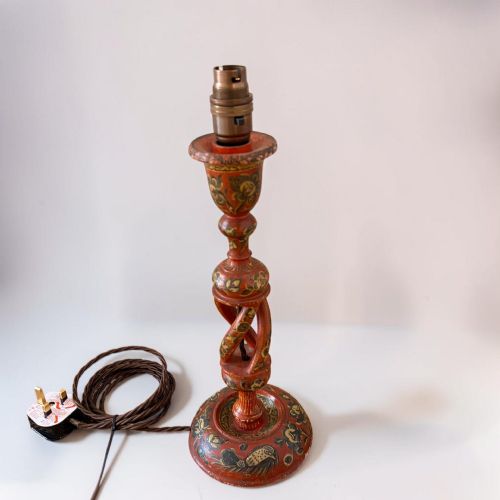
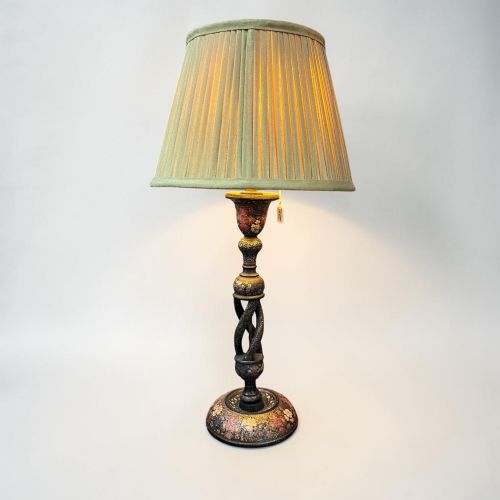
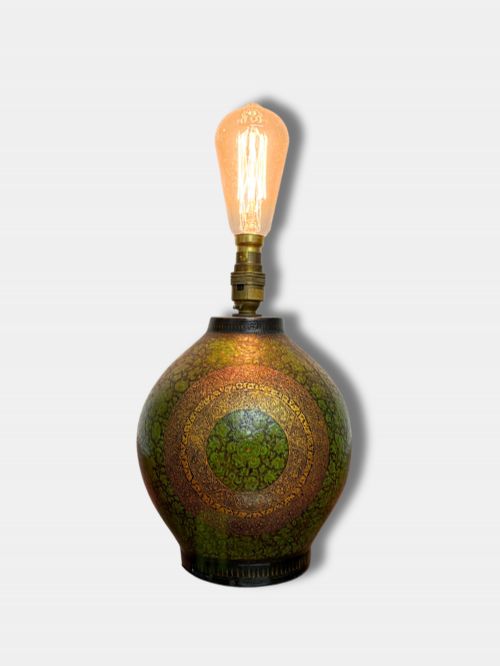
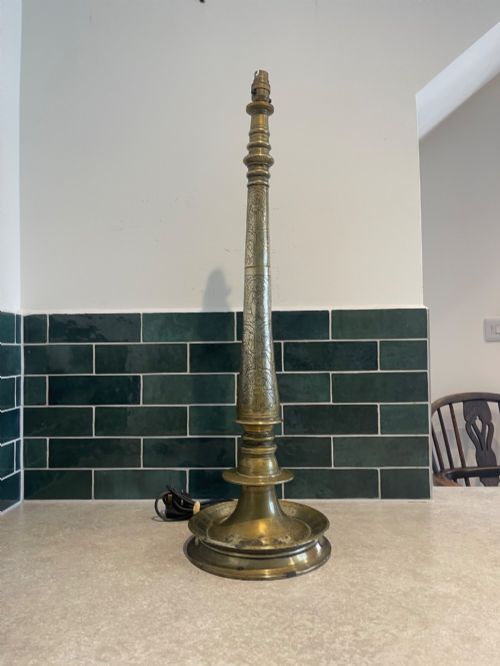
A vintage Indian lamp base brings distinct regional craftsmanship into a modern interior, typically taking the form of a table lamp. The selection centres heavily on Kashmiri work, alongside broader Anglo-Indian pieces.
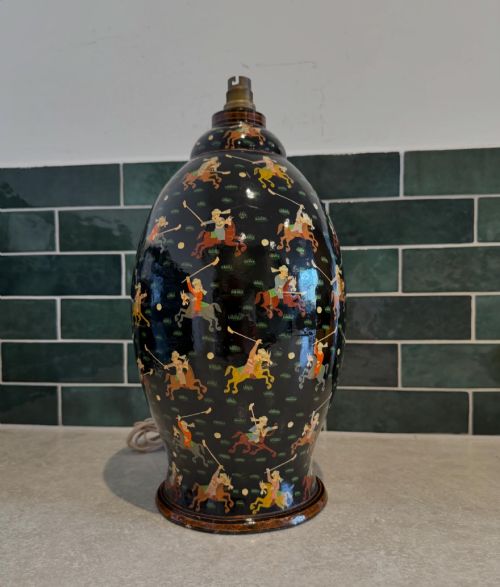
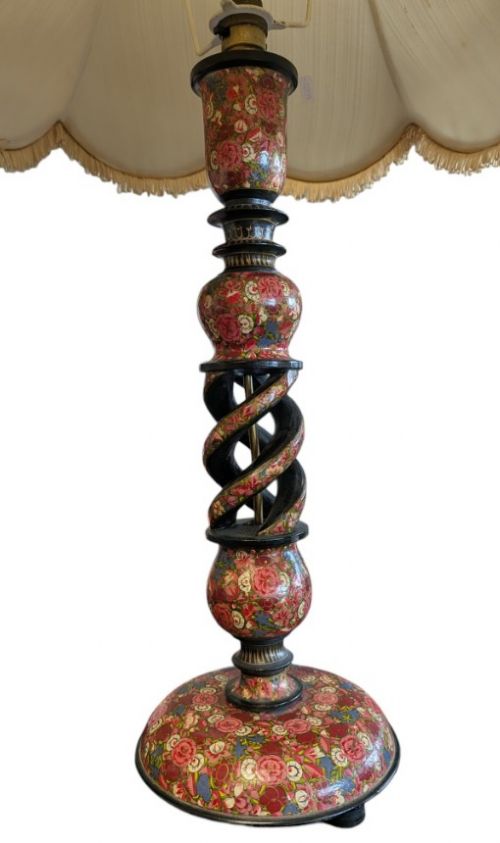
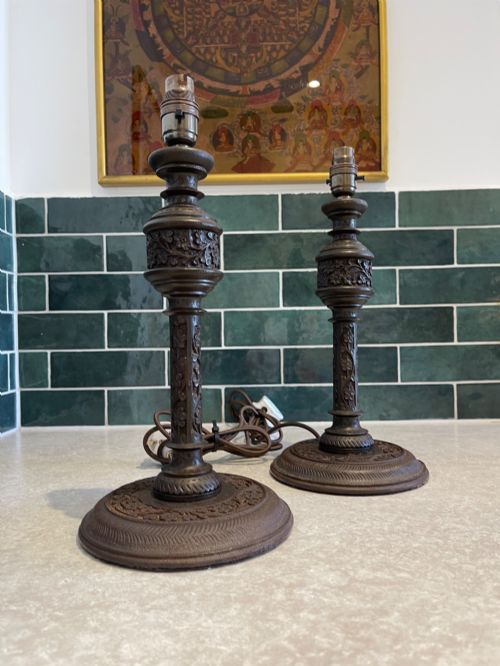
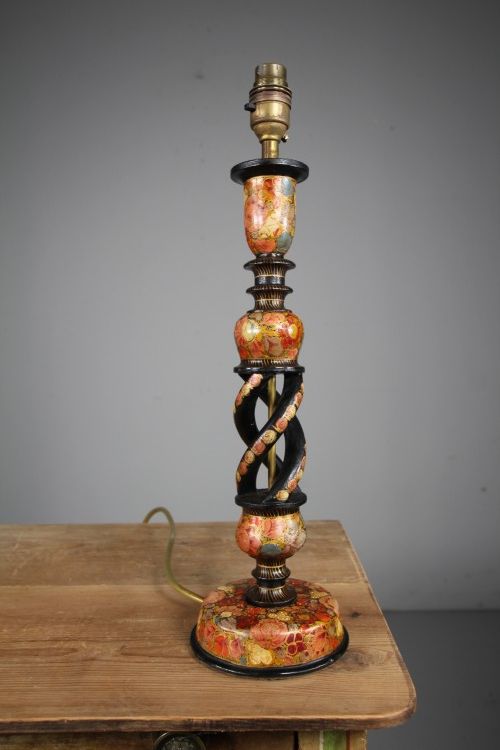
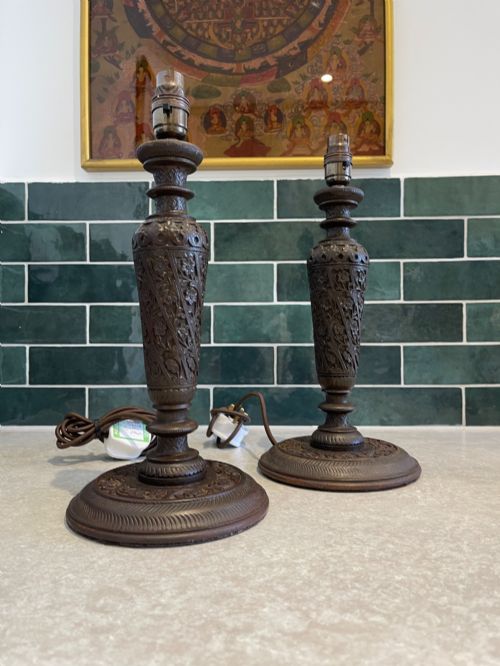
Buyers will encounter varied forms ranging from tall twist designs to hand-painted papier-mache columns and carved walnut structures. These items originate from periods spanning the nineteenth century through the early twentieth century, specifically covering the 1900s to the 1930s.
How they were made
The construction relies on traditional materials such as brass, wood, and papier-mache, often finished with lacquer or gilt gold and green paint. Artisans carved walnut and shaped papier-mache by hand to create these distinctive lighting columns.
Surfaces frequently feature intricate hand-painted detailing characteristic of Kashmiri folk art traditions. The combination of carved wooden structures and applied decorative finishes defines the physical makeup of these bases.
Vintage Indian Lamp Base Retail Price Guide 2026
Typical asking prices for vintage indian lamp base among the pieces listed under this phrase on Sellingantiques today, from the lower quarter to the upper quarter. They describe what is for sale here now, not the wider market.
Materials span brass, walnut, carved wood, and papier-mache, reflecting early twentieth-century Kashmiri and Anglo-Indian production.
What varies in quality
Quality separates through the finesse of the hand-painted decoration and the crispness of the carved wood details. Pieces with well-preserved gilt and green finishes or deeply carved walnut sit at the upper end of the spectrum.
The scale and proportion of the turned or twisted columns also dictate the distinction between standard examples and enormous or particularly tall showcase items.
The Vintage Indian Lamp Base Glossary
- Papier-mache
- A moulded composite material made from paper pulp and binder, utilised here for smooth painted lamp bodies. This technique allows for detailed surface decoration.
- Anglo-Indian
- A stylistic term describing items made in India during the British period, combining local craftsmanship with British aesthetic requirements. These pieces bridge two design traditions.
- Kashmiri Folk Art
- Decorative painting and craft styles originating from Kashmir, known for vibrant floral and foliate motifs. It provides the visual identity for the majority of these lamps.
- Twist Table Lamp
- A lamp base featuring a spiral or corkscrew turned column, adding vertical movement to the silhouette. This form is particularly prominent in the taller surviving examples.
Vintage Indian Lamp Base: Frequently Asked Questions
What materials are these lamp bases made from?
The construction involves traditional mediums including carved wood, walnut, brass, and papier-mache. Surfaces are frequently enhanced with lacquer, gilt, and painted details.
These varied materials reflect the distinct regional artisan traditions of early twentieth-century India and Kashmir.
How do I identify a Kashmiri lamp base?
Kashmiri pieces typically display characteristic hand-painted folk art patterns, often utilising green and gilt gold colours on papier-mache or wooden structures. Their distinct decorative surface work sets them apart from plain metal bases.
Many examples also employ a tall twist form or papier-mache construction unique to the region's craft history.
Are these lamps rewired for modern use?
Many examples are offered as rewired lamp holders suitable for contemporary electrical standards. This ensures they function practically as table lamps while retaining their antique appearance.
Buyers should check individual listings to confirm the current wiring status of each specific base.
How do I style a vintage Indian lamp base?
These bases work well as statement pieces on side tables or desks, where their hand-painted surfaces and carved forms can be appreciated. Pairing them with a complementary fabric shade completes the fitting.
Their rich textures and historical character add warmth and contrast to both traditional and eclectic interiors.