



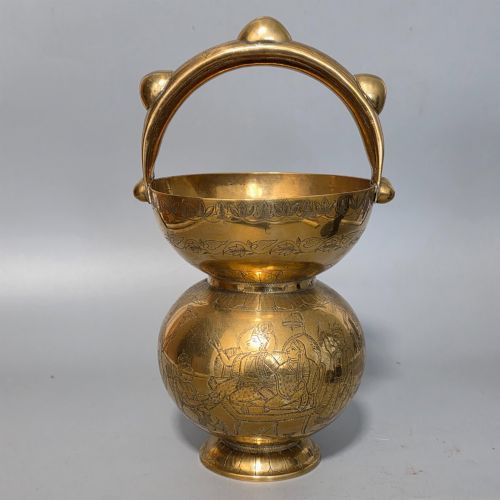

Vintage Indian Art
Vintage indian art brings tangible history into a room through carved wood, painted panels, and detailed textiles.
Vintage Indian Art
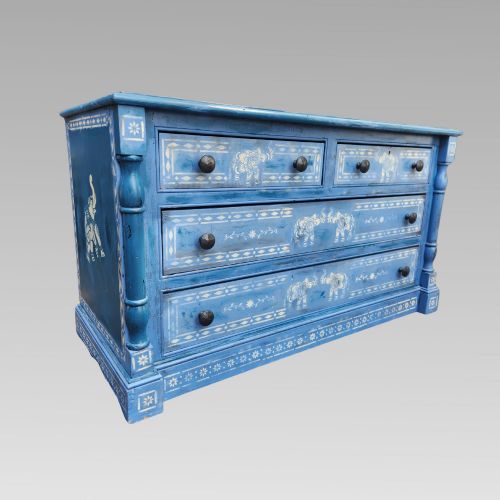
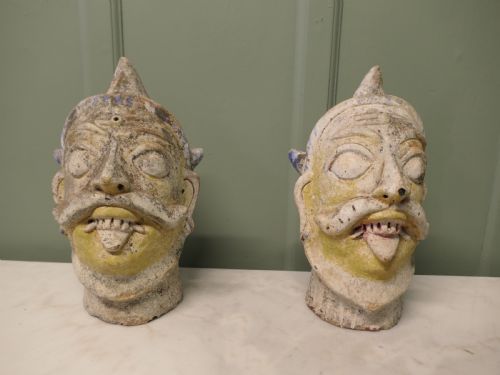
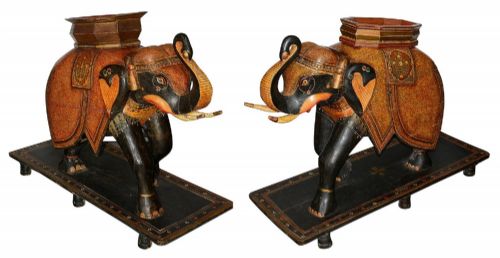
Vintage indian art encompasses a diverse range of objects spanning the nineteenth and twentieth centuries, including carved wooden figures, architectural salvage, and framed textiles. Buyers searching this phrase encounter everything from household spice boxes and ceremonial temple paintings to large wooden sculptures of animals and deities.
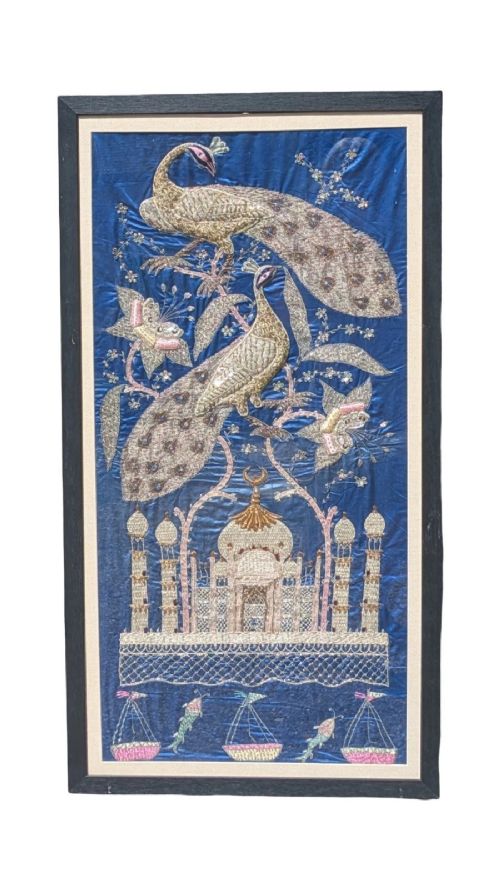
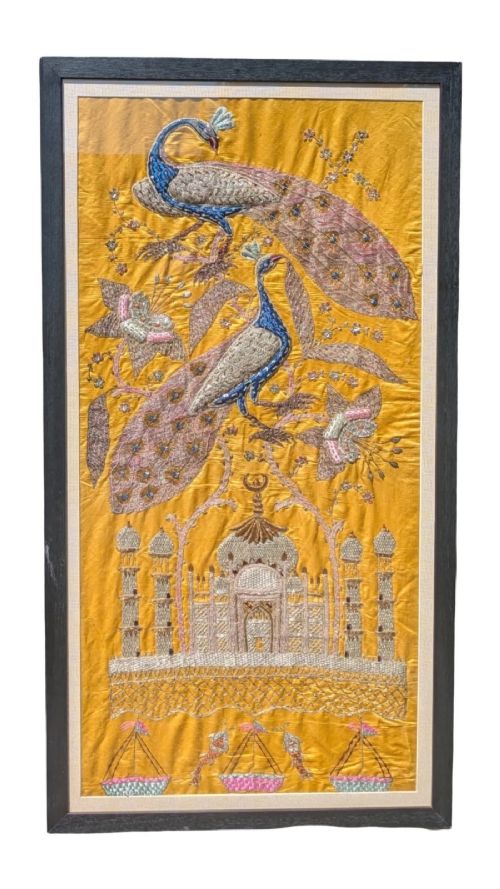
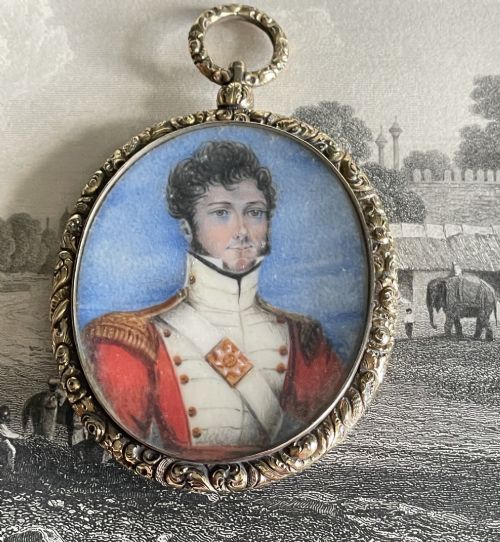
The selection frequently includes framed silk embroideries depicting landmarks like the Taj Mahal, gouache miniatures on paper, and painted architectural elements such as doors and tent pole tops. Traditional Indian and Anglo-Indian styles dominate the selection, reflecting distinct regional aesthetics and colonial histories.
Materials and construction methods
Makers utilised dense timbers such as teak, shisham, and rosewood for furniture and architectural pieces, often applying intricate hand-carving, lacquer, or polychrome paint directly to the wood surface. Metalwork items utilise brass, while textiles rely on cotton and silk embellished with detailed embroidery and pigment.
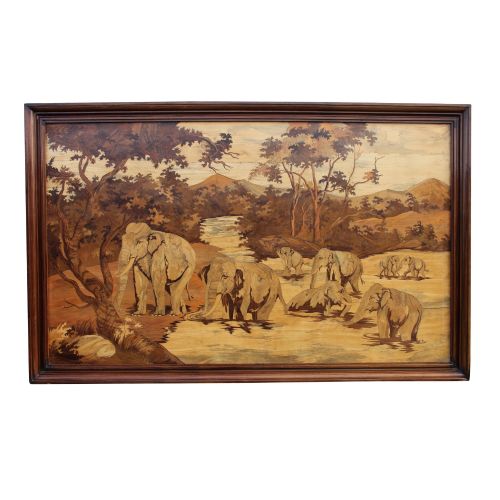
Paintings and works on paper employ gouache and watercolour techniques, occasionally incorporating gold leaf or delicate line work. Inlaid pieces combine organic materials like mother-of-pearl with wood to create decorative geometric or figurative motifs.
Vintage Indian Art Retail Price Guide 2026
Typical asking prices for vintage indian art among the pieces listed under this phrase on Sellingantiques today, from the lower quarter to the upper quarter. They describe what is for sale here now, not the wider market.
Listings feature items from the nineteenth and twentieth centuries, spanning Victorian, Edwardian, and Art Deco periods across wood, brass, and silk.
Distinctions in quality and execution
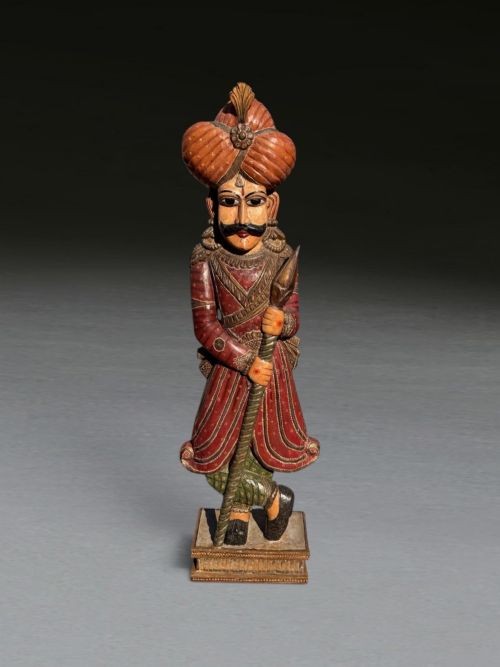
Quality in these pieces rests primarily on the precision of the hand-carving and the preservation of original pigments or surface finishes. Finer works display crisp detail in figurative elements, such as the expression on a deity's face or the textile patterns on a painted soldier.
Age and authenticity of materials also determine the upper tier of pieces, where original frames, uncompromised structural wood, and genuinely old hand-woven fabrics remain intact without extensive modern restoration.
The Vintage Indian Art Glossary
- Kalamkari
- A type of hand-painted or block-printed cotton textile, traditionally produced in parts of India for wall hangings or temple art. These pieces rely on natural dyes applied to cloth.
- Gouache
- An opaque water-based paint frequently used in Indian miniature paintings and manuscript illustrations. It provides flat, saturated colour areas with a matte finish.
- Anglo-Indian
- A style describing furniture, portraits, or decorative objects created during the British period in India. These items often blend British furniture forms with traditional Indian carving techniques.
- Shisham
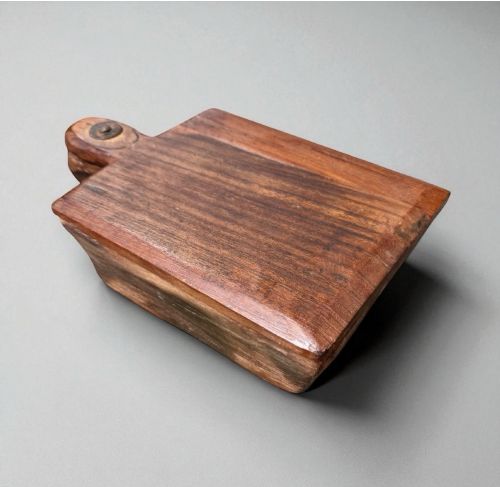
- A durable hardwood native to the Indian subcontinent, commonly utilised for carved platters, furniture, and architectural fittings. It accepts fine detail work and develops a rich patina.
- Chakra
- A traditional wooden wheel or spinning device associated with Indian history and textile production. Examples from the early twentieth century often feature hand-turned elements.
Vintage Indian Art: Frequently Asked Questions
How do I date vintage indian art?
Dating relies on examining the type of wood, the pigments used in paintings, and the style of the carving or embroidery. Nineteenth-century pieces typically show hand-tool marks and natural wear consistent with age.
Historical context also helps place items, particularly when the work reflects specific regional schools or transitional periods between Victorian and Edwardian design.
Where should I display large wooden panels?
Large architectural panels and painted doors suit prominent wall spaces where they can serve as primary focal points in a room. Ensure the wall structure supports the weight of dense timbers like teak or shisham.
Keep wooden items away from direct heat sources and strong sunlight to protect original painted surfaces and prevent the timber from splitting.
How do I care for silk embroideries?
Silk textiles require protection from direct sunlight to prevent the coloured threads and background fabric from fading. Framing under UV-filtering glass helps preserve the delicate embroidery work.
Dust textiles gently with a soft brush and avoid exposing them to high humidity or moisture to protect the natural fibres.
What is the difference between gouache and watercolour?
Gouache is an opaque paint that includes a binding agent, allowing colours to remain solid and flat even when layered. Watercolour is transparent, relying on the white of the paper to show through the pigment.
Miniatures and court paintings often utilised gouache for its rich colour density and ability to hold fine line work.