


Vintage Impressionist Oil Canvas
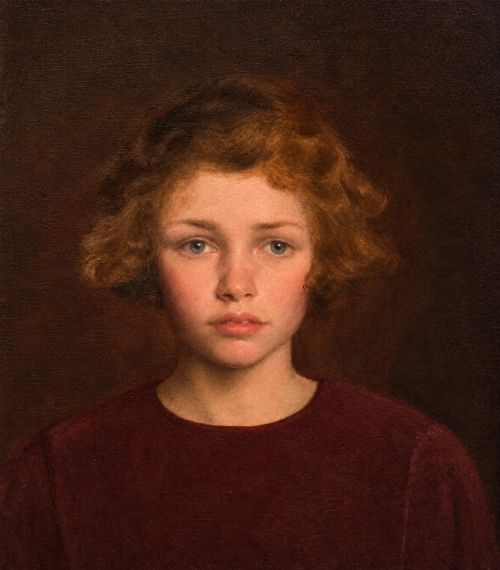
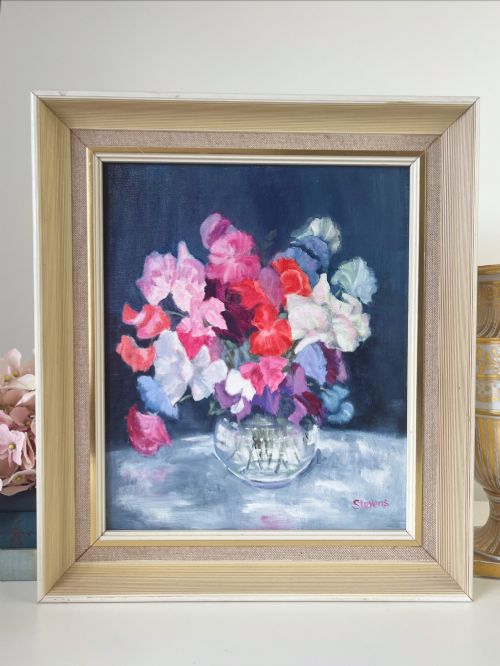
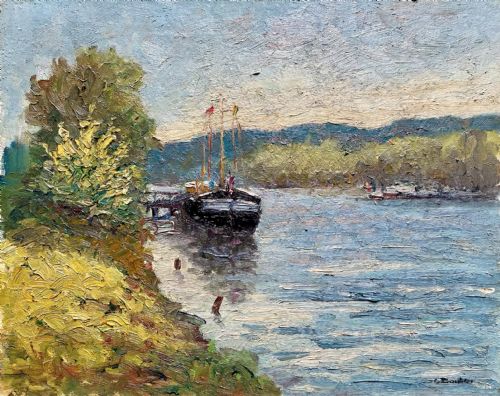
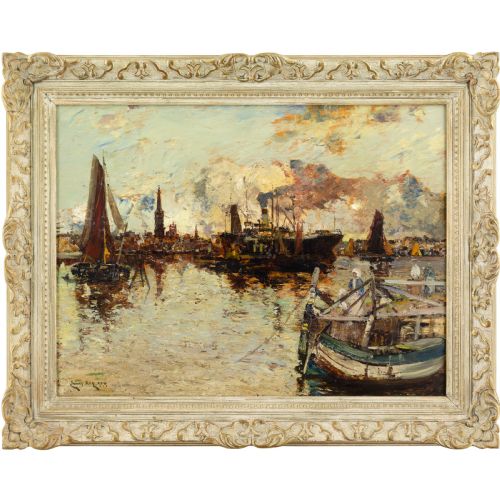
A vintage impressionist oil canvas captures light and atmosphere through textured brushwork, bringing immediate historical character and depth into a room.
Vintage Impressionist Oil Canvas
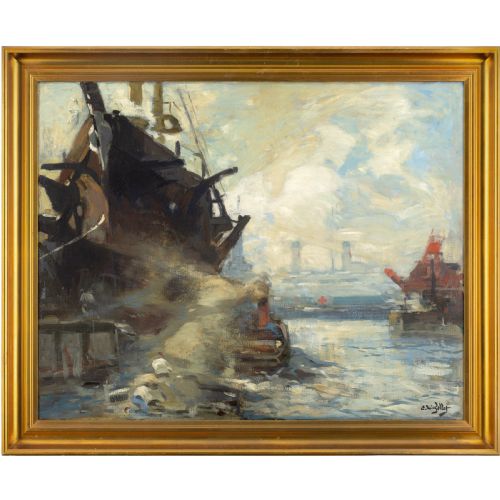
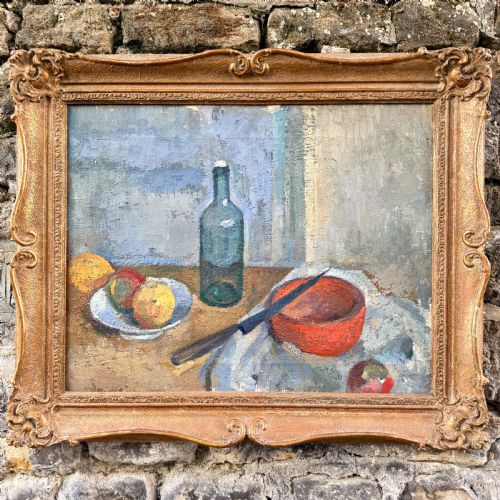
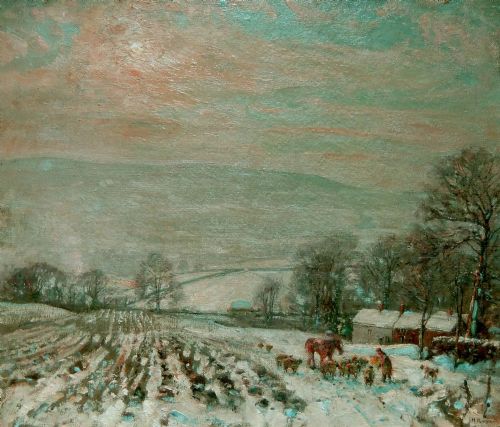
A vintage impressionist oil canvas encompasses fine art paintings created across the nineteenth and twentieth centuries, capturing landscapes, portraits, marine scenes, and still lifes. When exploring this phrase, buyers encounter works spanning Post-Impressionism, British Impressionism, and Scandinavian Realism.
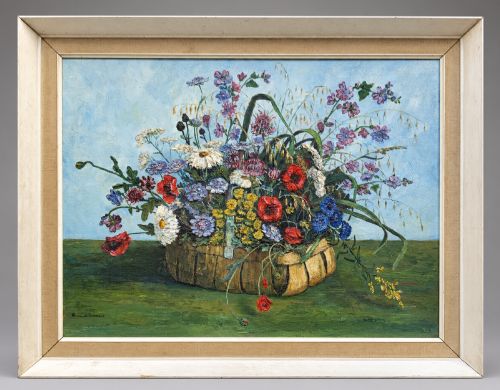
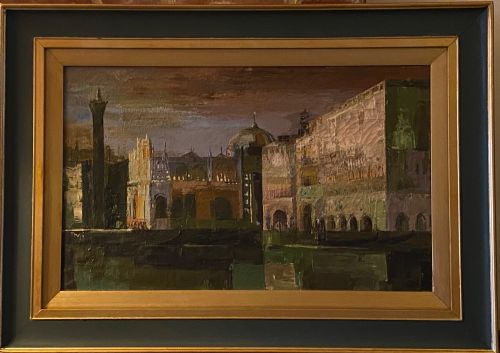
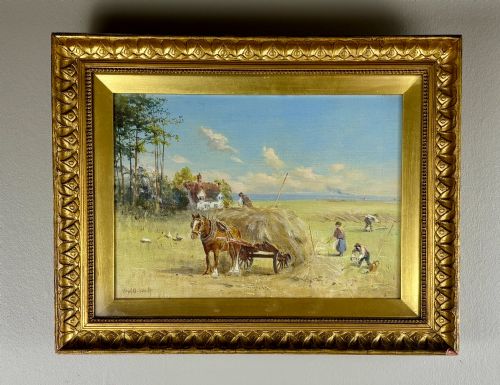
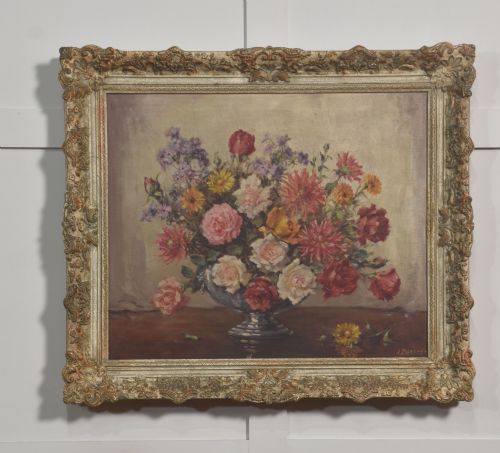
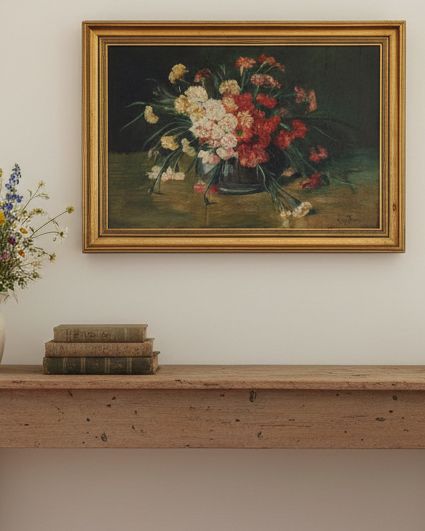
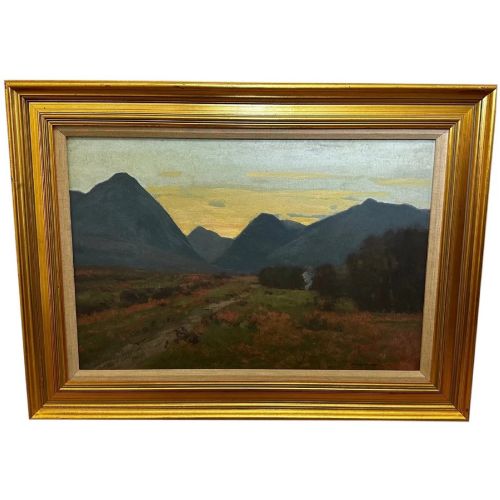
The versions most frequently met on this page date from the early decades of the twentieth century, alongside nineteenth-century examples and mid-century modern pieces. These works range from intimate floral still lifes to expansive coastal landscapes and bustling European cityscapes.
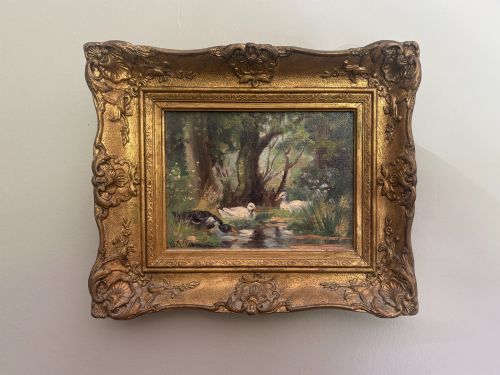
Compositions often emerge from British, French, Italian, and Dutch schools, reflecting diverse regional interpretations of light and brushwork. Many pieces retain their original frames, including gilt wood surrounds that complement the oil paint surfaces.
Materials and technique
Painters applied oil paint to woven canvas supports, sometimes utilising wood boards as a base. The medium allowed artists to build rich impasto textures where raised brushstrokes catch the light.
Makers layered oil pigments to construct complex tonal relationships, defining forms through colour and light rather than rigid outlines. Frames fashioned from gilt wood frequently enclose these finished canvases.
Several artists chose to paint themselves in the act of painting, leaving permanent portraits of their own easels and palettes.
Markers of distinction
Quality rests in the surety of the brushwork and the artist's command of light and atmosphere across the canvas. Stronger works demonstrate a confident handling of pigment that creates depth and movement within the scene.
The integrity of the canvas surface and the preservation of the original paint layer distinguish superior examples. A harmonious pairing with a period frame also elevates the overall character of the piece.
George Graham·Clifford Hanney·Eugène-Louis Gillot·George Houston·Herbert Royle·James Kay·Augusto Alberici·Gabriel Mathieu·Arthur Gué·John Lübschitz·Antonio DeVity·Clive Browne·Paul Bret·Konstantin Stoitzner·Emma Fordyce MacRae·Cyril Walduck Edwards·Herbert Ashwin Budd·Charles Stuart Forbes·Alfred Wolmark·Eric Brown·Gladys Marguerite Baker·Willem Bos·Henri Ottmann·Ernest Higgins Rigg
The Vintage Impressionist Oil Canvas Glossary
- Impasto
- Paint applied thickly to a canvas, standing out in relief from the plane so that the texture itself catches the light.
- Post-Impressionism
- An artistic movement extending impressionist techniques while rejecting its limitations, focusing on more symbolic content and heavier structure.
- Gilt wood
- Timber treated with a thin layer of gold leaf or metallic gilt, commonly utilised for traditional picture frames.
- Still life
- A painting featuring inanimate subject matter, typically commonplace objects such as flowers, fruit, or vessels.
- Provenance
- The chronological history of the ownership of a work of art, establishing its authenticity and origin.
Vintage Impressionist Oil Canvas: Frequently Asked Questions
How do I date an impressionist oil painting?
Dating relies on stylistic evidence, artist signatures, and the physical characteristics of the canvas and stretcher frame. Period inscriptions on the reverse often provide precise chronological markers.
Examinations of the framing materials and canvas weave also help narrow down the decade of creation.
Where should I hang an oil canvas?
Select a wall away from direct sunlight and excessive humidity to protect the oil paint and canvas substrate. Stable indoor temperatures prevent the paint layer from cracking over time.
Position the painting at eye level to properly appreciate the brushwork and texture of the composition.
What is the difference between impressionism and post-impressionism?
Impressionism focuses primarily on the accurate depiction of light and fleeting atmospheric moments using visible brushstrokes. Post-impressionism builds upon these techniques while placing greater emphasis on geometric forms and expressive colour.
Post-impressionist works often show a more structured approach to composition rather than pure optical realism.