



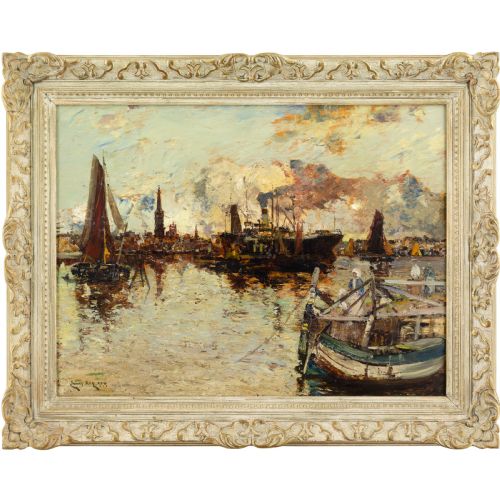
Vintage Impressionist Canvas Artwork
Vintage impressionist canvas artwork brings vibrant light and textured brushwork into modern rooms through original oil paintings spanning the nineteenth and twentieth centuries.
Vintage Impressionist Canvas Artwork
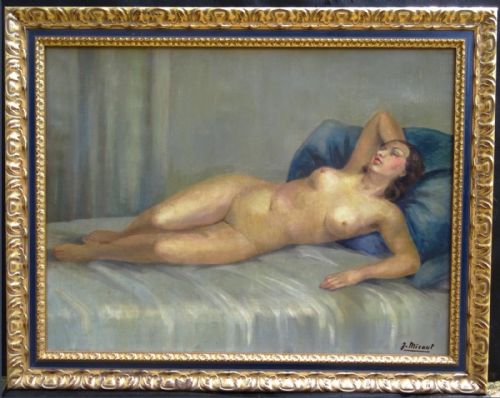
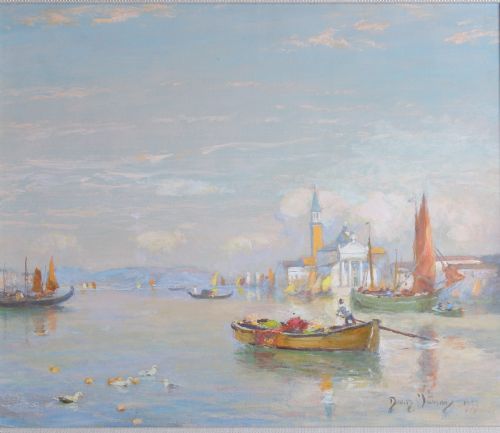
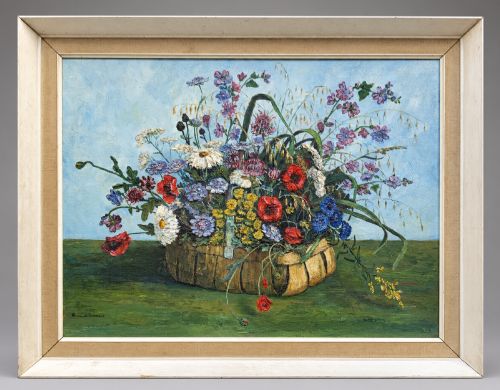
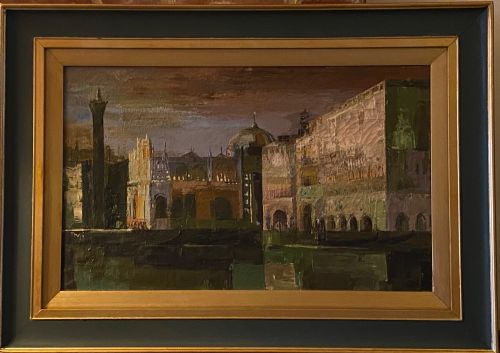
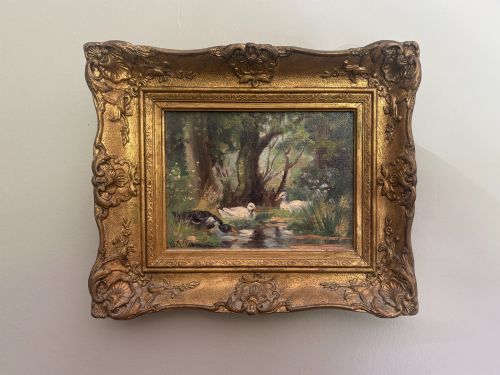
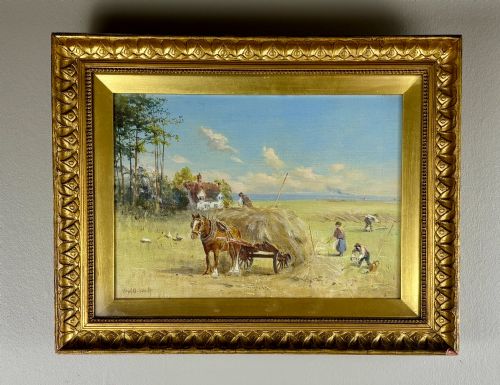
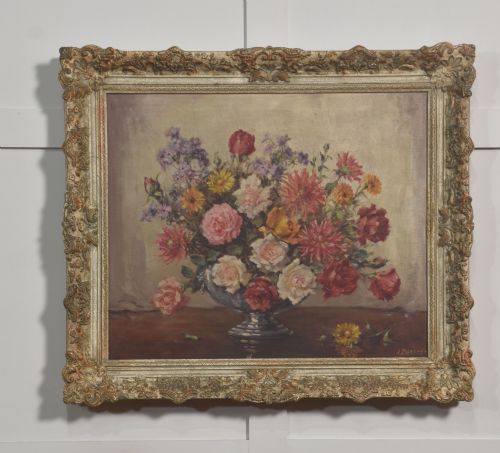
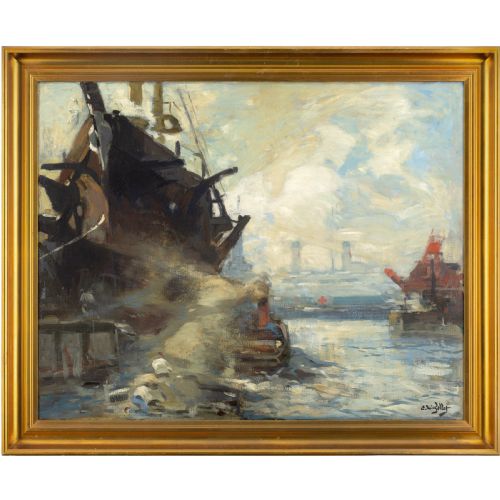
When searching for vintage impressionist canvas artwork, buyers encounter original oil paintings capturing landscapes, seascapes, still lifes and intimate interior scenes. These works originate from various European and British schools across the nineteenth, twentieth, and mid-century periods, demonstrating diverse regional interpretations of light and atmosphere.
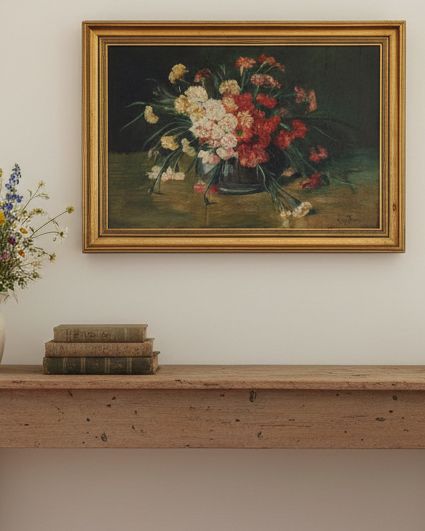
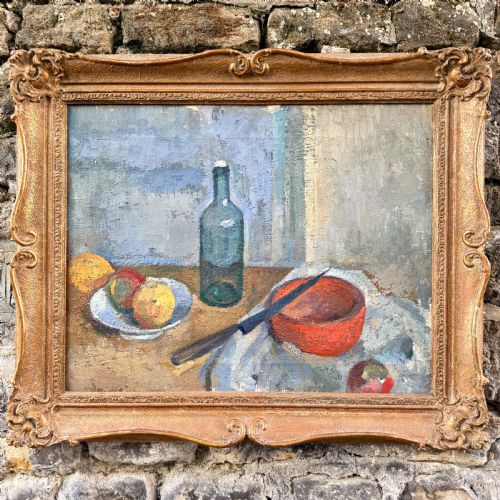
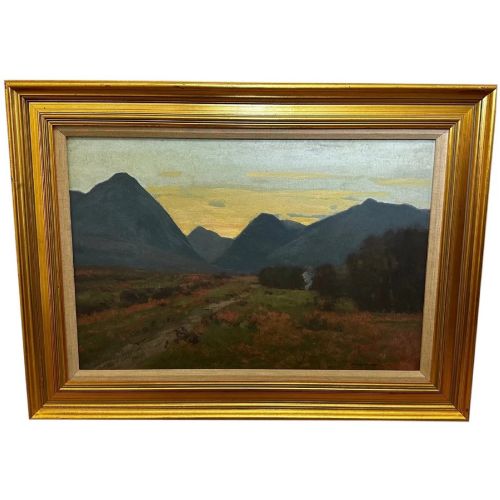
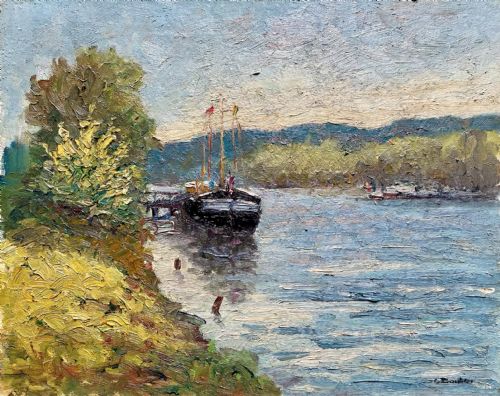
The selections available here lean heavily toward oil on canvas and oil on board, frequently housed within period gilt wood frames. Subjects range from quiet rural river paths and bustling European canals to floral still lifes and coastal harbours recorded by named artists and regional schools alike.
Materials and Technique
The foundational support relies predominantly on woven canvas stretched over wooden frames or applied directly to board. Artists utilised oil paint to build thick impasto textures and fluid washes, capturing fleeting effects of natural light and shadow.
Several canvases manage to preserve decades-old studio dust trapped securely beneath the original nineteenth-century varnish.
Assessing Quality
Quality rests upon the confidence of the brushwork and the artist's ability to manipulate oil paint to render light and movement convincingly. Stronger examples display deliberate impasto or assured tonal transitions that define atmosphere without relying on rigid detail.
The integration between the canvas and its period frame also influences the overall integrity of the piece, as well-matched gilt wood enhances the visual depth of the painting.
Clifford Hanney·George Houston·Herbert Royle·Eugène-Louis Gillot·James Kay·Augusto Alberici·Gabriel Mathieu·Arthur Gué·G. J. S. Bary·John Lübschitz·Antonio DeVity·Clive Browne·Paul Bret·Konstantin Stoitzner·Emma Fordyce MacRae·Cyril Walduck Edwards·Herbert Ashwin Budd·Charles Stuart Forbes·Alfred Wolmark·Eric Brown·Willem Bos·Henri Ottmann·Ernest Higgins Rigg·Else Preußner·Harry Kluge
The Vintage Impressionist Canvas Artwork Glossary
- Impasto
- Paint applied thickly to a canvas, standing out in relief from the surface. This technique adds tactile depth and catches light across the painted surface.
- Post-Impressionism
- An artistic movement extending impressionist methods while emphasising symbolic content, heavier outlines or expressive forms. Artists explored structural composition beyond mere optical effects.
- Gilt wood
- Wood coated with a thin layer of gold leaf or gold paint. Frames utilising this finish were widely employed to frame nineteenth and twentieth century paintings.
- Still life
- A painting featuring inanimate subject matter, typically commonplace objects such as flowers, fruit or tableware. These arrangements allowed artists to focus entirely on light, colour and form.
Vintage Impressionist Canvas Artwork: Frequently Asked Questions
What subjects are most common?
Landscapes, coastal scenes, city views and floral still lifes dominate these selections. Artists frequently recorded natural settings and everyday urban views.
These subjects reflect broad European and British artistic traditions spanning from the nineteenth century through the mid-twentieth century.
How should I hang these paintings?
Display these works on walls with balanced ambient lighting to highlight the textured oil paint and gilt frames. Avoid harsh direct sunlight to protect the pigments.
Pairing the canvas with adequate wall space allows the atmosphere of the landscape or interior scene to project fully into the room.
Are these works original?
The inventory consists of original hand-painted works executed in oil on canvas or board rather than modern reproductions. Each piece carries unique brushstrokes and artist signatures where recorded.
Signatures, framing details and material ageing help confirm the period origins of individual paintings.
How do I identify the period?
Dating relies on stylistic movements, canvas construction, frame types and recorded artist biographies. Mid-century modern and post-impressionist traits indicate later twentieth-century origins.
Earlier nineteenth-century pieces often display traditional tonal palettes and distinct stretcher frame construction methods.