





Vintage Impasto Portrait Painting
A vintage impasto portrait painting brings thick, tactile layers of pigment and personality directly to your wall.
Vintage Impasto Portrait Painting
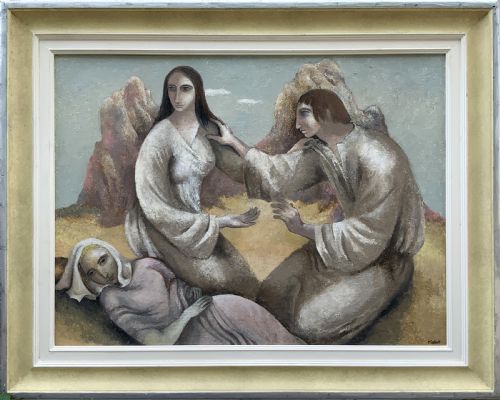
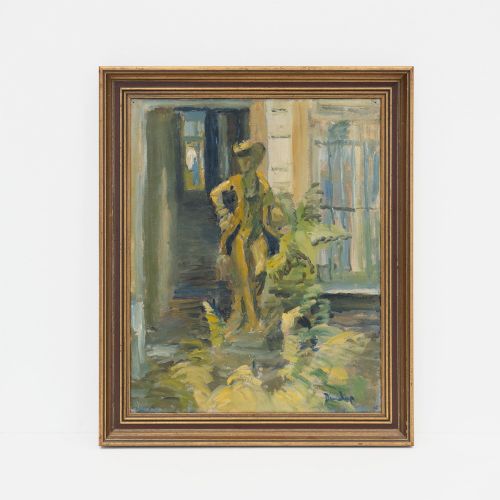
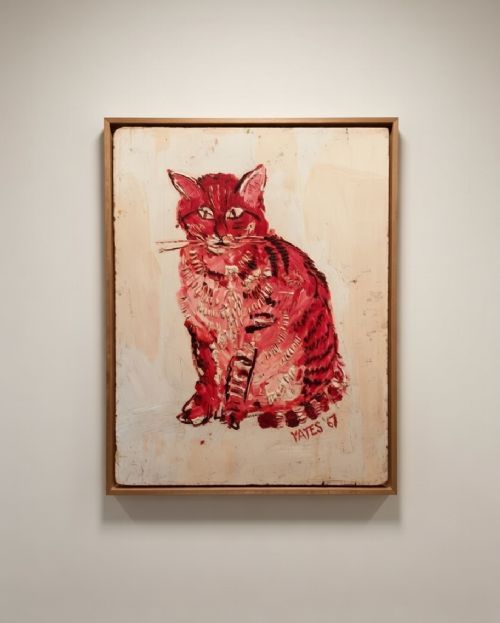
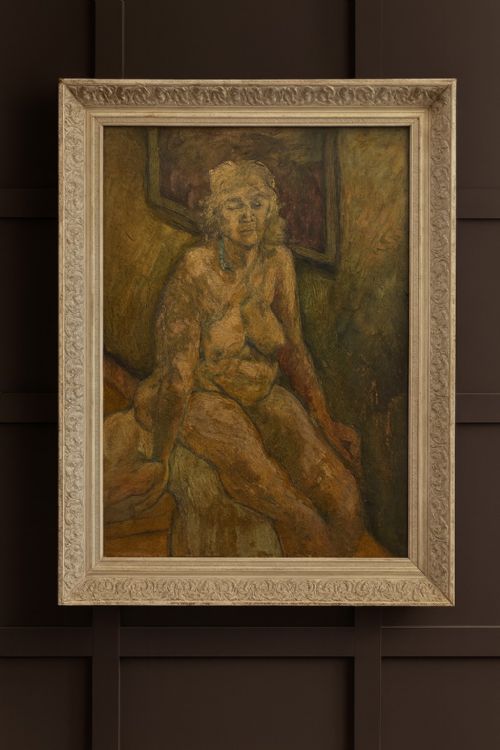
A vintage impasto portrait painting is a work of fine art defined by heavy, raised applications of oil paint that sit proud of the surface. These pieces span the early twentieth century through to the mid-century decades, capturing human subjects, nudes, and animals with immediate physical presence.
You will most commonly encounter mid-century examples rendered in oil on canvas or oil on board. Many are housed in period wooden frames, some accented with gilt, which complement the textured brushwork characteristic of these decades.
The styles range from early twentieth-century academic traditions to Expressionism, Post-Impressionism, and Mid-Century Modernist interpretations. Makers represented in the current selection include named artists such as Ronald Ossory Dunlop, Fred Yates, Pinchus Krémègne, and Lucy Kemp-Welch.
What varies in quality
The distinction between ordinary and exceptional works lies in the confidence and purpose behind the application of pigment. Superior examples demonstrate a deliberate control of thick paint that defines form and light rather than merely obscuring the surface.
Compositional strength and the psychological depth of the sitter elevate certain portraits above standard decorative works. The harmony between the painted texture and the surrounding wooden frame also plays a significant role in the overall integrity of the piece.
Current selections span from nineteen-ten through to nineteen-sixty, utilising wood, canvas, and heavy oil paint across various modernist movements.
Ronald Ossory Dunlop·Fred Yates·Pinchus Krémègne·Lucy Kemp-Welch·Gaetan Dumas
The Vintage Impasto Portrait Painting Glossary
- Impasto
- Paint applied thickly to a canvas or board, standing out in relief so that the marks of the brush or palette knife remain visible. This technique adds tangible three-dimensional depth to the flat surface of a portrait.
- Oil on board
- A painting executed on a rigid wooden panel or stiff board rather than flexible fabric. This substrate provides a firm, stable ground for heavy impasto layers.
- Expressionism
- A modernist style where the artist distorts visual reality to evoke emotional responses through bold colour and heavy texture. It is frequently seen in mid-century portraiture.
- Gilt
- A thin layer of gold leaf or gold-coloured pigment applied to the surface of a wooden frame. It enhances the visual warmth surrounding the painted canvas.
Vintage Impasto Portrait Painting: Frequently Asked Questions
How do I clean an impasto painting?
Dust accumulates easily on the raised ridges of thick paint over time. Use a very soft, dry brush to gently sweep across the surface without pressing into the crevices.
Avoid using any liquids, damp cloths, or chemical cleaners on oil paint. Professional conservators should handle any deeper cleaning or removal of ingrained grime.
Are these paintings ready to hang?
Most pieces arrive within their original wooden frames, equipped with standard hanging wire or fixings on the reverse. You can mount them directly onto a wall upon arrival.
Check the stability of the older frames and hanging cords before committing the weight to a wall hook. Some collectors prefer to refit older canvases with modern internal fixings for added security.
Where should I hang a textured portrait?
Select a spot with controlled ambient light that catches the raised ridges of paint at an oblique angle. Side lighting emphasises the tactile quality of the brushwork and the depth of the pigment.
Keep the painting away from direct sunlight and sources of extreme heat or humidity. Oil paint on canvas or board reacts poorly to fluctuating environmental conditions over long periods.
How can I tell the period of a portrait?
Examine the materials used for the support, such as the specific type of wooden board or the weave of the canvas. Framed construction methods and stretcher bars also provide reliable clues to the decade of creation.
Stylistic markers like mid-century modernist abstraction or post-impressionist brushwork align the piece with specific artistic movements. Signatures and dates inscribed by the artist offer the most direct confirmation of age.