




Vintage Imari Pottery
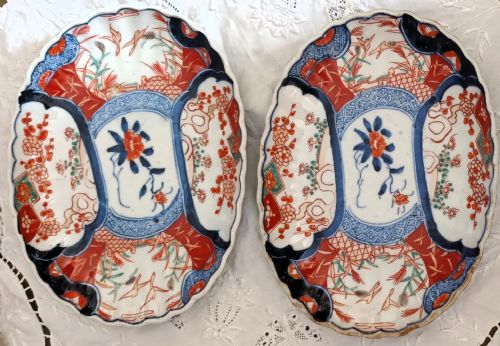
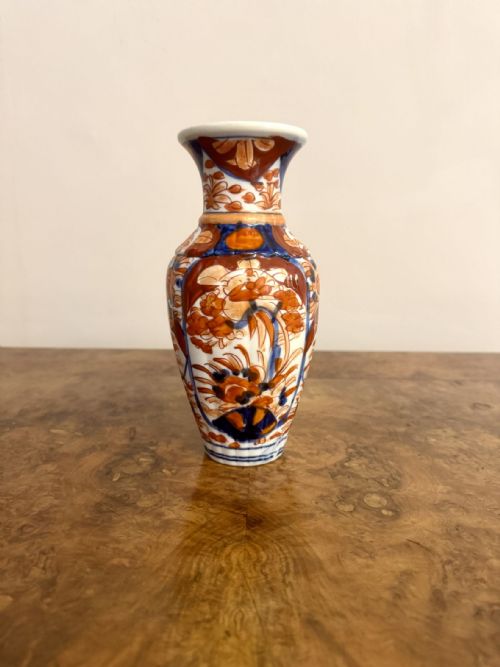
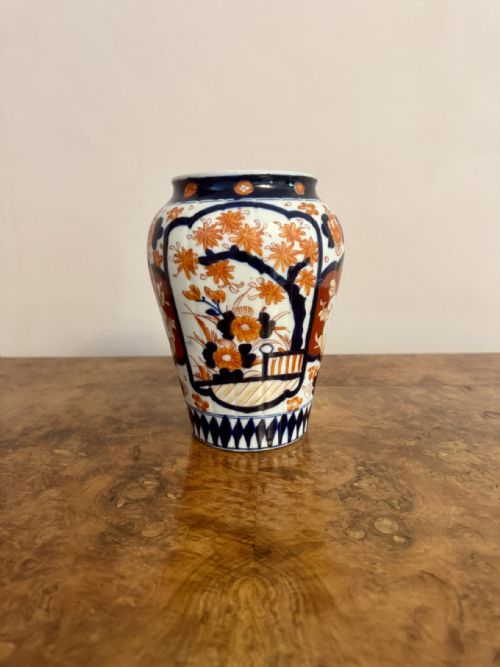
Vintage imari pottery combines rich cobalt blue and vibrant iron-red enamel with gilt highlights on porcelain, bringing striking colour and pattern to any room.
Vintage Imari Pottery
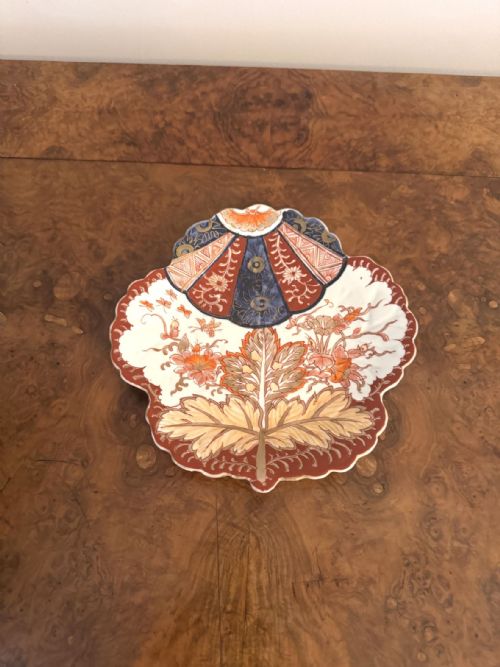
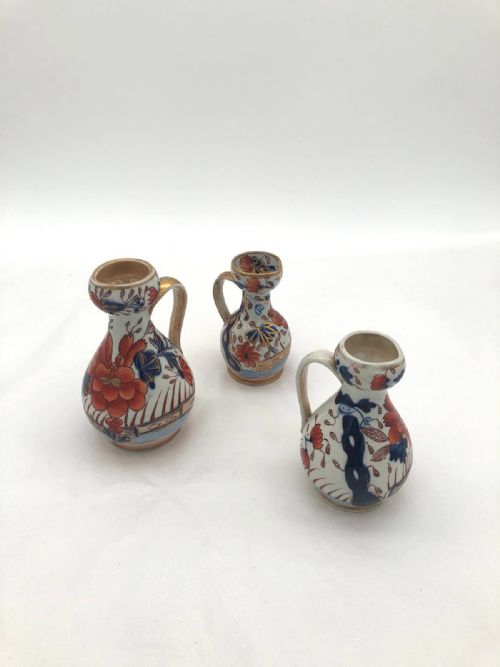
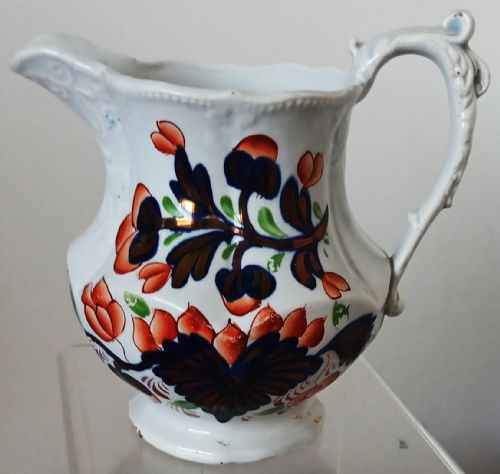
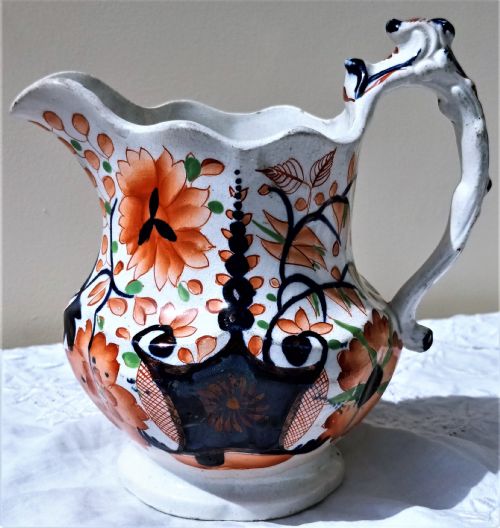
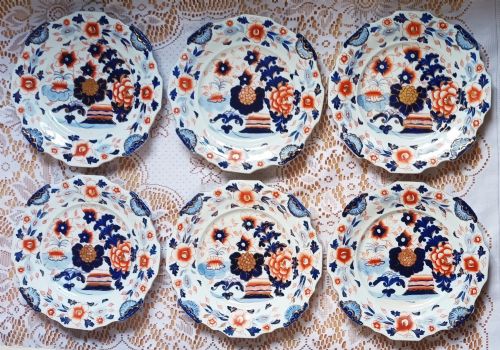
Vintage imari pottery spans pieces made across the nineteenth century and around nineteen hundred, encompassing Japanese origins alongside British interpretations such as Gaudy Welsh and ironstone variations. Buyers seeking vintage imari pottery encounter diverse decorative forms, from slender neck vases and tripod bowls to plates and jugs.
The Japanese examples on this page typically originate from the Meiji period, featuring traditional motifs rendered in characteristic palettes. Alongside these sit nineteenth-century English ironstone pieces adopting similar decorative influences, offering a robust alternative for daily use or display.
How they were made
Artisans built these pieces using ceramic, earthenware, and porcelain bodies, applying cobalt blue underglaze decoration before firing. Enamel and gold leaf additions followed in subsequent firing stages to secure the characteristic surface depth.
Ironstone and ceramic versions utilised durable earthenware formulations designed to withstand heavy domestic handling, while Japanese porcelain pieces received finer shaping for delicate display items.
Certain nineteenth-century jugs were built so heavy that lifting them for tea required genuine determination.
What varies in quality
The crispness of the underglaze cobalt blue painting and the precision of the iron-red enamel outlines separate standard domestic wares from exceptional examples. Finer pieces demonstrate careful alignment between the painted motifs and the underlying ceramic form.
Preservation of the delicate gilt leaf highlights heavily influences the desirability of individual items, as surface wear diminishes the visual contrast that defines the style.
Mason's Ironstone·Davenport
The Vintage Imari Pottery Glossary
- Imari
- A style of ceramic decoration originating in Japan, characterised by a distinctive palette of cobalt blue, iron-red, and gold. The style heavily influenced subsequent European pottery production during the nineteenth century.
- Ironstone
- A durable type of earthenware patented in the nineteenth century to rival true porcelain. It provided a sturdy body for heavily decorated plates, jugs, and serving dishes.
- Meiji Period
- A Japanese historical era lasting from eighteen sixty-eight to nineteen twelve, noted for the export of ornate porcelain and decorative arts to Western markets. Pieces from this time often exhibit exceptional scale and intricate detailing.
- Gilt Leaf
- A very thin layer of gold applied to the ceramic surface during or after the final firing stages. It provides metallic accents that catch the light alongside coloured enamels.
- Underglaze
- A decorative technique where pigments are applied to the raw or bisque ceramic body before a transparent glaze layer is added. This protects the blue cobalt painting from subsequent wear during use.
Vintage Imari Pottery: Frequently Asked Questions
What is vintage imari pottery?
Vintage imari pottery encompasses decorative ceramics decorated in traditional blue, red, and gold palettes. The selection includes Japanese porcelain alongside nineteenth-century British ironstone adaptations.
These pieces range from large floor-standing vases to small dishes and patterned jugs, reflecting diverse manufacturing traditions from Japan and England.
How do I clean vintage imari pottery?
Clean these ceramics gently using warm water and mild soap with a soft cloth. Avoid abrasive scrubbers that can scratch the delicate surface enamels.
Keep gilt-decorated items away from dishwashers and harsh chemical cleaners to preserve the metallic leaf highlights over time.
How can I date my imari pottery?
Dating relies on examining the ceramic body, glaze characteristics, and any maker stamps present on the base. Nineteenth-century pieces often display specific impressed marks or transfer prints.
Stylistic shifts between early nineteenth-century English ironstone and late Meiji period Japanese porcelain provide further clues for chronological placement.