


Vintage Imari China
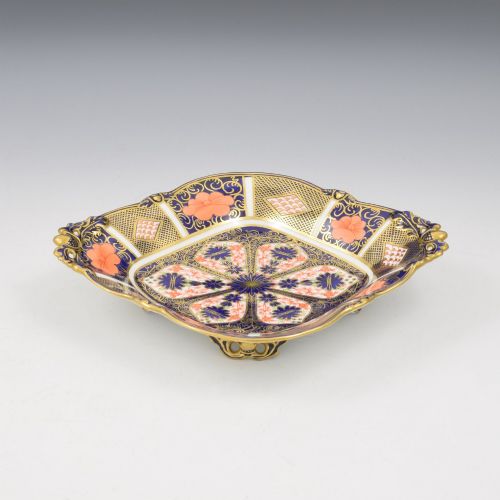
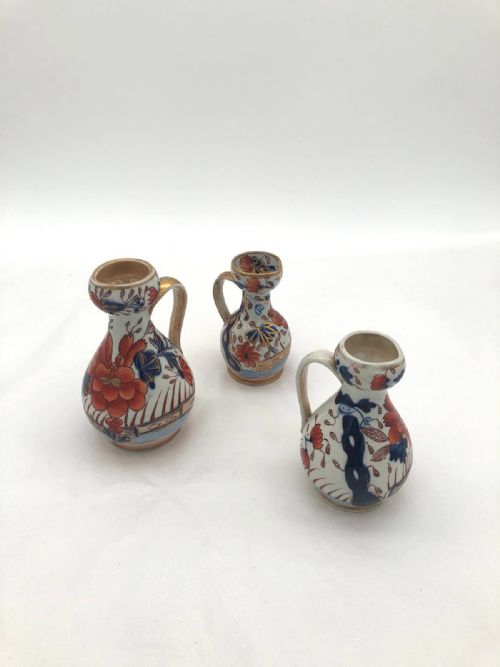
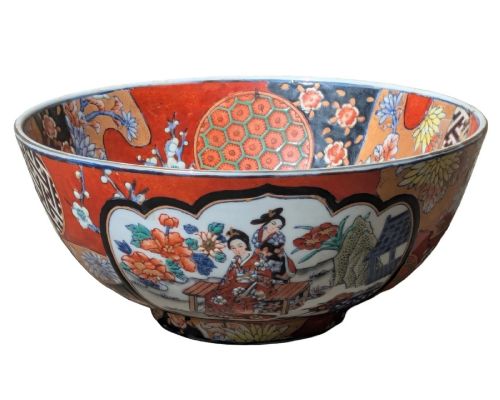
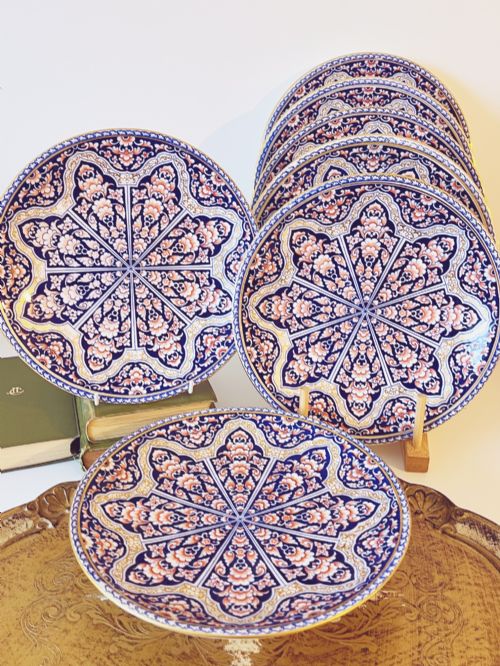
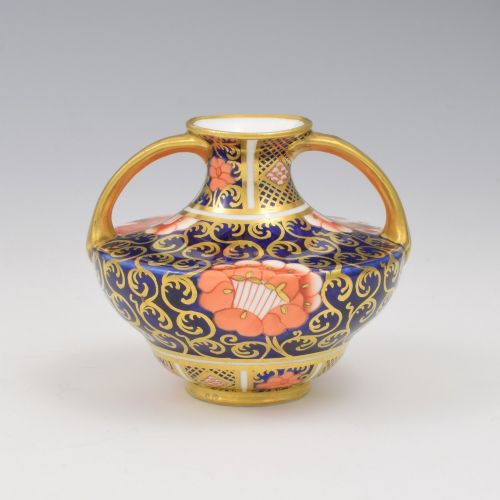
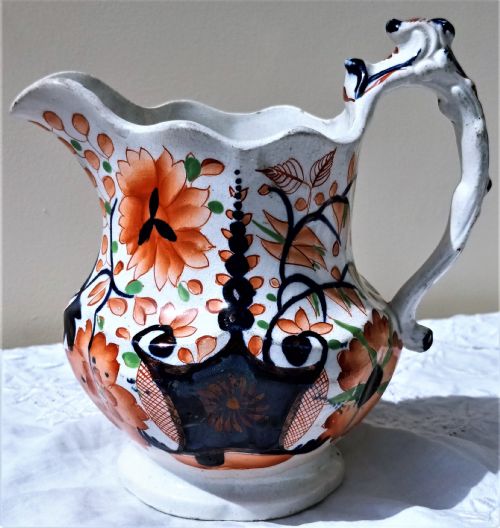
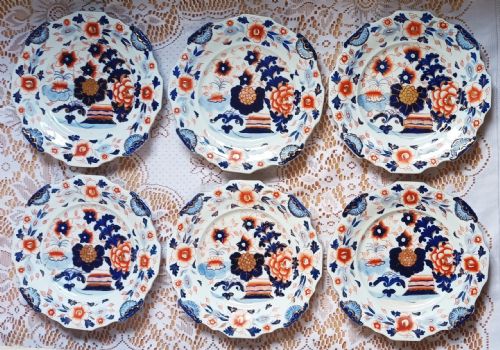
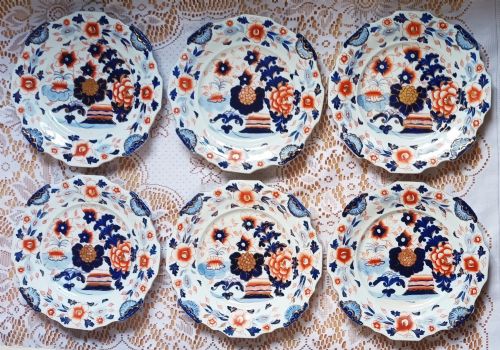
When you collect vintage imari china, you acquire colourful porcelain and ironstone painted with iron red, cobalt blue, and gold leaf.
Vintage Imari China
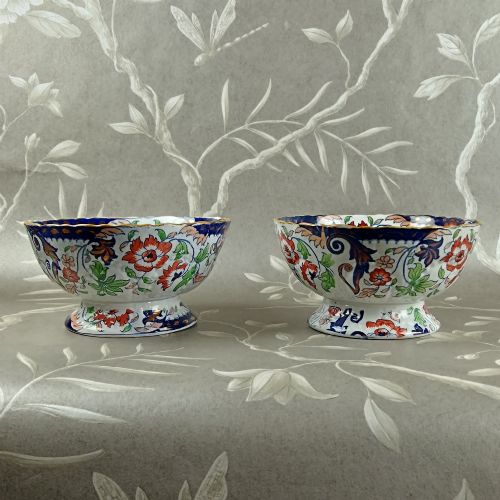
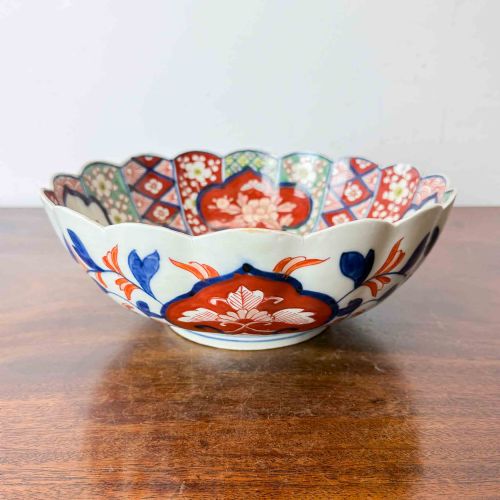
Vintage imari china brings together Japanese imports and English interpretations spanning the Georgian, Victorian, and later periods. Buyers find decorative plates, bowls, dessert services, jugs, and tureens bearing traditional motifs.
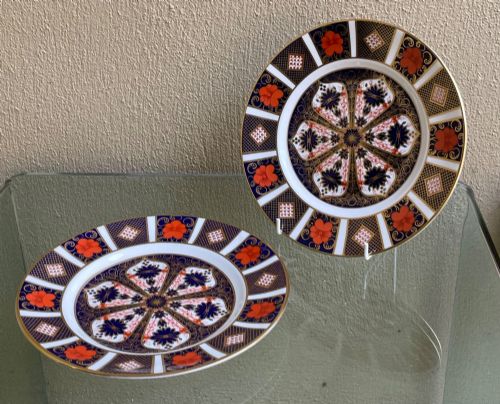
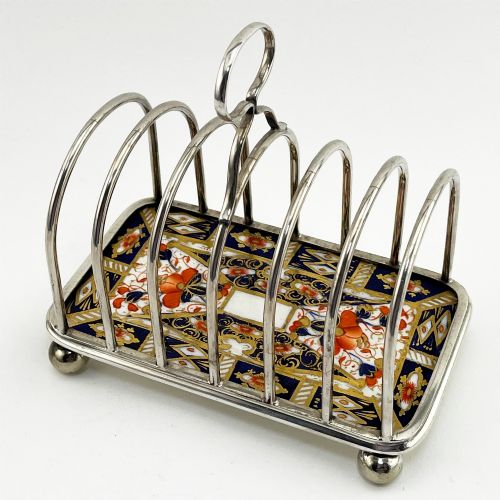
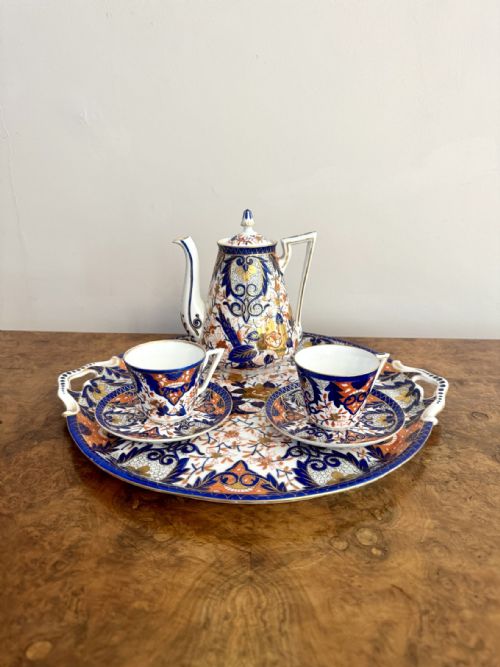
The selection ranges from 19th-century Japanese porcelain bowls and plates to English ironstone pieces by makers such as Mason's, Davenport, and Royal Crown Derby. These items served functional roles in dining and tea services alongside purely decorative uses.
English variations often adopt labels like Japan pattern or Imari style, reflecting the strong influence of original Japanese exports on domestic potteries. Both origins share the characteristic palette of cobalt blue and underglaze red highlighted with gilding.
How they were made
Potters shaped these objects from porcelain, bone china, ceramic, and dense ironstone before applying cobalt blue underglaze and iron red enamel. Artisans then added details in gold leaf or gilt to complete the high-contrast palette.
Firing techniques varied according to the body, with ironstone requiring robust kilns to achieve a durable surface suitable for heavy domestic service. Overglaze enamels and gold leaf were typically fixed in subsequent, lower-temperature firings.
Vintage Imari China Retail Price Guide 2026
Typical asking prices for vintage imari china among the pieces listed under this phrase on Sellingantiques today, from the lower quarter to the upper quarter. They describe what is for sale here now, not the wider market.
Black Ship Imari plates capture historic maritime encounters on crackling ceramic.
What varies in quality
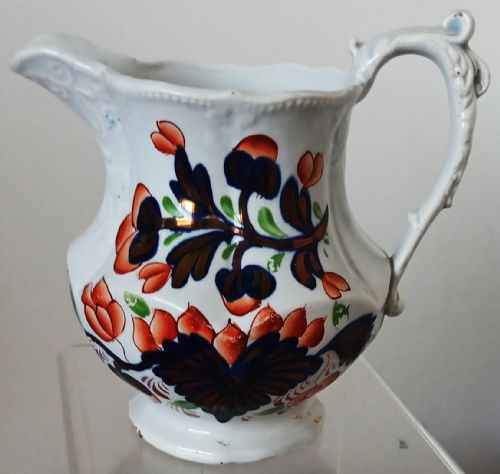
Quality rests in the crispness of the hand-painted cobalt blue and the precision of the iron red and gold leaf detailing. Stronger examples display deep, uniform glaze application and well-defined mouldings on ironstone jugs and tureens.
The prestige of the maker influences standing, with established factories like Royal Crown Derby and Mason's commanding attention for their registered patterns. Condition and completeness within matching dessert or tea services also determine desirability.
Royal Crown Derby·Mason's·Davenport
The Vintage Imari China Glossary
- Imari style
- A decorative scheme originating in Japan and copied in England, defined by cobalt blue, iron red, and gold leaf. It usually incorporates floral and geometric panel designs.
- Ironstone
- A heavy, durable type of ceramic patented in the 19th century as a robust alternative to porcelain. It takes enamels and gilt well.
- Comport
- A decorative footed dish or bowl used for serving fruit or dessert as part of a service. These stand elevated above standard plates.
- Tureen
- A deep serving dish with a cover, used for soup, sauce, or vegetables. They often include matching ladles and undertrays.
Vintage Imari China: Frequently Asked Questions
How do I tell Japanese Imari from English Imari?
Japanese pieces use true porcelain bodies and traditional hand-painted motifs from the 19th century and earlier periods. English versions utilise ironstone, ceramic, or bone china produced by factories such as Mason's or Royal Crown Derby.
English interpretations often employ transfer printing beneath the hand-applied enamels and gold leaf. Examining the base marks and the composition of the ceramic body helps clarify the origin.
Can I use vintage imari plates for dining?
Most decorative plates and dessert services from the 19th century are best reserved for display or light use. The overglaze enamels and gold leaf can wear down with frequent washing and cutlery contact.
Ironstone items like jugs, tureens, and heavy plates tend to be more robust, but hand washing is necessary to protect the gilt and delicate painted surfaces.
What periods do these pieces date from?
The selection spans from the Georgian era through the Victorian period and into the early 20th century. Dates range from early 19th-century ironstone to later Victorian and Edwardian porcelain.
Datestamps, pattern numbers, and factory marks assist in narrowing down the exact decade of manufacture for English pieces.
What is an ashset?
An ashset is a large serving platter or meat dish used in 19th-century dining services. These oblong pieces matched the dinner and soup plates in patterns such as the old school house design.
They formed part of large multi-piece dining sets intended for formal entertaining in grand households.