






Vintage Hunting Horn
These vintage hunting horn pieces bring utilitarian sporting history into the domestic interior, offering solid craftsmanship in brass, silver and natural horn.
Vintage Hunting Horn
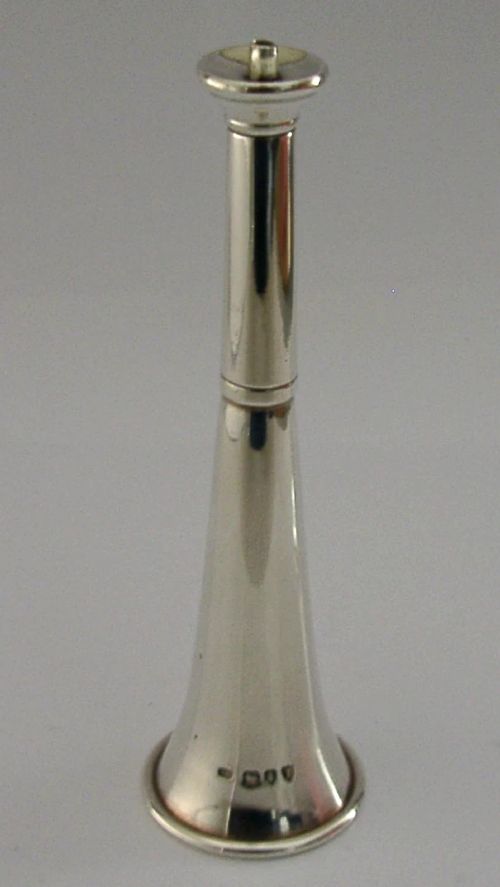
When you search for a vintage hunting horn, you encounter an array of objects connected to equestrian pursuits and country life, spanning the eighteenth century through to the mid-twentieth century. The selection ranges from literal signal horns in brass and copper to novelties and decorative items incorporating animal horn, bone and antler.
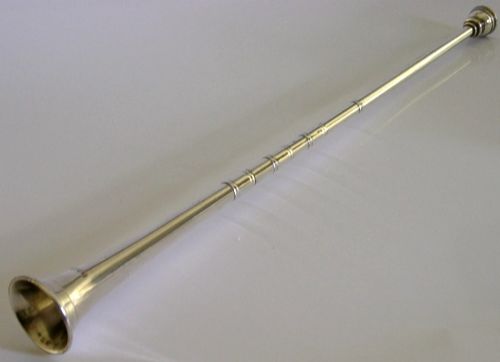
Brass coaching horns and metal signal instruments appear frequently alongside smaller silver-mounted novelties and personal accessories. Makers and manufacturers utilised traditional materials associated with the field, integrating them into lighting, tableware and desk accessories.
Materials and construction methods
Metals such as brass, copper, sterling silver and steel provide the structural integrity and ringing tone for the acoustic horns and lighting components. Artisans shaped sheet metal through hammering and soldering, often combining brass tubing with copper bells.
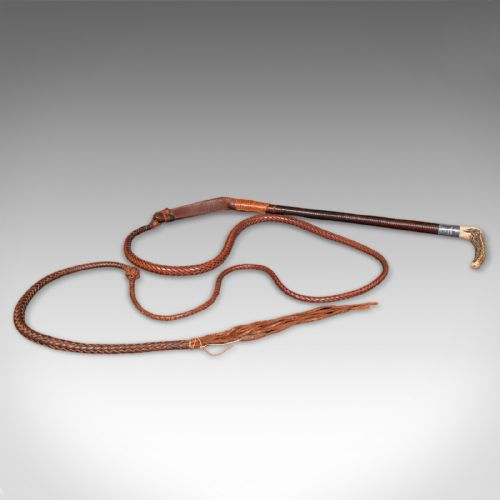
Natural materials including cow horn, stag antler and bone undergo carving, polishing and mounting onto metal or wooden backings. Silver collars and mounts are frequently hallmarked, securing organic materials to functional items like riding crops and table lighters.
Vintage Hunting Horn Retail Price Guide 2026
Typical asking prices for vintage hunting horn among the pieces listed under this phrase on Sellingantiques today, from the lower quarter to the upper quarter. They describe what is for sale here now, not the wider market.
One eighteen-carat gold charm pendant miniaturises a deer hunting horn for pocket wear.
Distinctions in standard and execution
Quality rests upon the crispness of metal fabrication, the weight of the brass or silver, and the proportion of the mounted natural materials. Heavier gauge metals and clean solder joints indicate superior workshop production.
The precision of silver mounts and the smoothness of polished horn surfaces separate standard utilitarian items from finer retailer pieces. Maker stamps and clear hallmarks provide tangible evidence of origin and standard.
Braham·Sampson Mordan·Swaine Adeney
The Vintage Hunting Horn Glossary
- Hallmark
- An official stamp applied to precious metals indicating purity, maker and year of assay. These marks help date silver mounts on horns and riding crops.
- Powder flask
- A container used for holding gunpowder, often fashioned from horn or metal with a dispensing measure. Examples frequently feature brass fittings.
- Coaching horn
- A long, straight brass or copper horn used by coachmen to signal arrival or clearance. They are built for projection rather than musical melody.
- Table lighter
- A decorative functional object designed for domestic smoking rooms, frequently rendered in novelty shapes like hunting horns.
- Taxidermy
- The art of preparing, stuffing and mounting the skins of animals for display. Horns and antlers appear mounted on carved wooden shields.
Vintage Hunting Horn: Frequently Asked Questions
What is a coaching horn?
A coaching horn is a long, straight wind instrument traditionally made of brass or copper, used by coachmen to signal the approach of a horse-drawn vehicle.
These pieces were designed for loud projection in the open air rather than complex musical performance.
How were horn powder flasks used?
Powder flasks stored gunpowder securely for muzzle-loading firearms during hunting expeditions.
They combine natural horn bodies with brass or metal spouts to measure the correct charge safely.
Where were these items displayed?
Sporting antiques were typically displayed in country houses, hunting lodges and entrance halls alongside trophies and equestrian gear.
Today they function as decorative interior objects that reflect nineteenth-century sporting traditions.
How do I identify silver mounts?
Silver collars and mounts on horns and crops usually bear small stamped hallmarks indicating the assay office and date.
These tiny marks distinguish solid sterling silver from silver-plated brass or white metal.