





Vintage Hunting Glass
Vintage hunting glass brings together portable spirit flasks, enamelled vases, and moulded plates that capture field sports from the nineteenth and twentieth centuries.
Vintage Hunting Glass
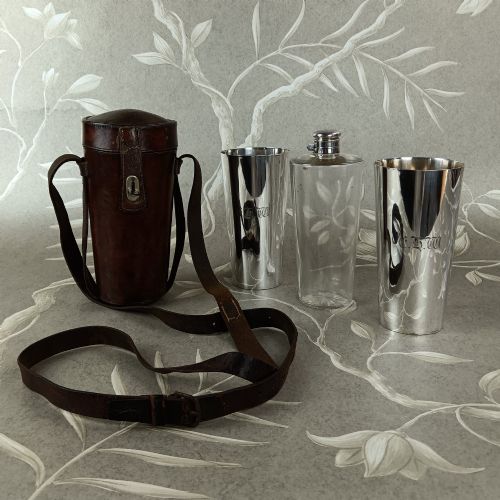
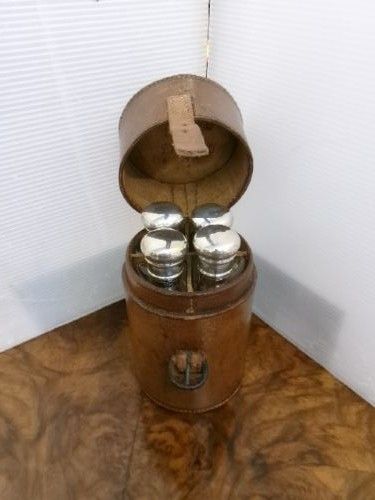
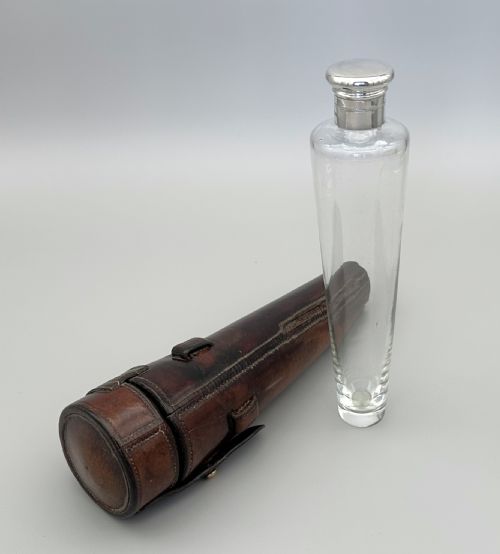
When you search for vintage hunting glass, you encounter items designed for field sports and country pursuits, predominantly spanning the Victorian, Edwardian, and Art Deco periods. Hip flasks form a major part of these listings, often housed in fitted leather cases or wrapped in crocodile skin for outdoor use.
Beyond portable flasks, the selection includes moulded glass plates with sepia staining, hand blown green glass vases with enamelled animal scenes, and large engraved wall decorations. These pieces originate from diverse makers across England, France, and Bohemia, reflecting the widespread popularity of rural sports in decorative arts.
Materials and construction
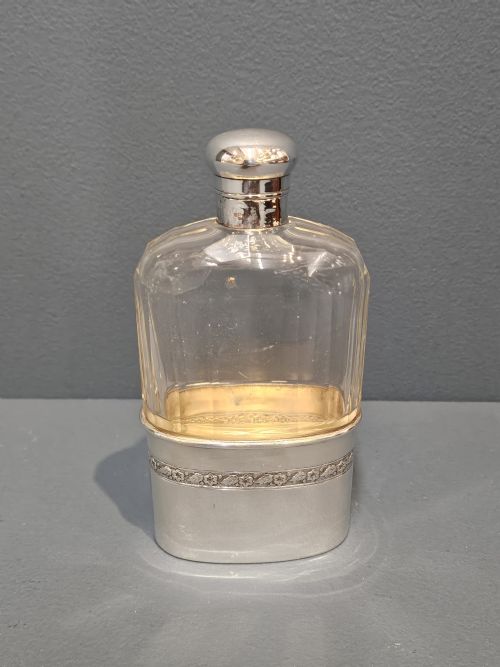
Makers combined clear, ruby, and moulded glass with sterling silver, silver plate, brass, and leather to produce durable items for field use. Flasks feature secure metal tops and removable bottom cups, occasionally paired with collapsible drinking vessels.
Decorative glass items utilise hand blowing, enamelling, sepia staining, and sandblasting techniques to depict hounds, deer, and hunting scenes. Leather cases and brass mounts provide robust protection for glass bodies intended for travel on horseback or in carriages.
Vintage Hunting Glass Retail Price Guide 2026
Typical asking prices for vintage hunting glass among the pieces listed under this phrase on Sellingantiques today, from the lower quarter to the upper quarter. They describe what is for sale here now, not the wider market.
Listings feature items from the 17th century up to the 1930s, combining clear and coloured glass with crocodile leather, brass, and sterling silver.
Evaluating craftsmanship
Quality rests on the integrity of the materials and the precision of the metalwork, particularly where sterling silver mounts meet hand blown or cut glass bodies. Makers such as Asprey or James Dixon & Sons demonstrate superior execution in their secure fittings, crisp hallmarks, and well-fitted leather cases.
The clarity of the glass, the depth of the moulded relief or sepia stain, and the preservation of hand painted enamel details distinguish finer decorative plates and vases. Original matching components, such as intact caps and paired beakers, elevate the standard of surviving equipment.
James Dixon & Sons·Asprey London·W A Ellwick Ltd·Rene Lalique
The Vintage Hunting Glass Glossary
- Hip Flask
- A pocket-sized container designed for carrying spirits during outdoor activities. These typically combine glass bodies with metal tops and leather or precious metal encasements.
- Sepia Stain
- A warm brown pigment applied to pressed glass to highlight relief details and figures. This technique adds depth and contrast to pictorial scenes on decorative plates.
- Campaign Spirit Flask
- A portable drinking vessel engineered for travel and military or field expeditions. They frequently incorporate nesting beakers and robust leather carrying cases.
- Moulded Glass
- Glass shaped by being pressed into a mould while hot to create raised patterns and designs. This method allowed for consistent production of pictorial barware and tableware.
Vintage Hunting Glass: Frequently Asked Questions
How do I use a vintage hip flask?
These flasks serve primarily as decorative antiques or collectible display items rather than for daily beverage carriage. If you choose to use one, check the internal seals and clean the glass and metal components thoroughly.
Over time, cork linings in silver caps can dry out and fail to hold liquids securely. Inspect the mechanism before filling it with spirits for any outdoor outing.
What periods do these pieces date from?
The items range from the nineteenth century through the Edwardian era and into the Art Deco period of the 1920s and 1930s. Victorian and Edwardian examples often feature heavy leather cases and sterling silver mounts.
Later pieces from the twentieth century lean towards moulded glass plates and sandblasted wall decorations. Stylistic markers and silver hallmarks help determine the exact decade of manufacture.
How should I display hunting glass at home?
Display glass vases, plates, and flasks in well-lit cabinets or on stable surfaces away from direct sunlight. This protects delicate leather cases and enamelled painted scenes from fading or environmental damage.
Grouping items like spirit sets and campaign beakers creates an authentic sporting aesthetic. Ensure shelves are sturdy enough to support heavier combinations of glass and brass.
Are original leather cases important?
Original leather cases and fitted straps significantly enhance the historical context and completeness of portable flasks. They show how the equipment was carried on horseback or during field sports.
While loose flasks remain collectible, those retaining their original stamped leather or crocodile skin retain greater character. Condition of the stitching and metal clasps varies across surviving examples.