



Vintage House Painting
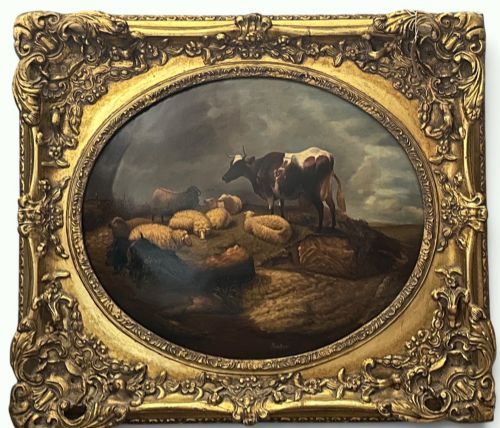
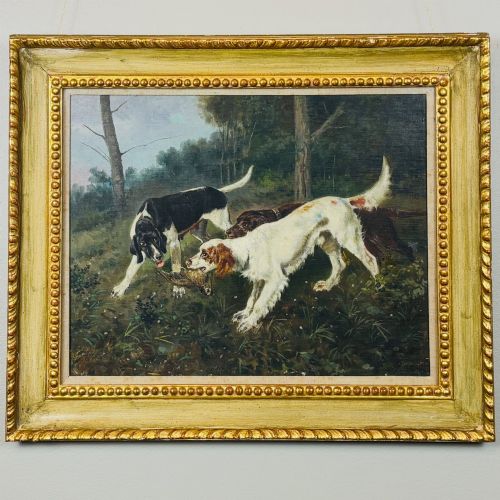
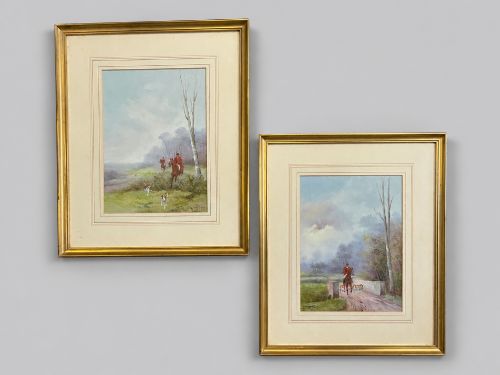
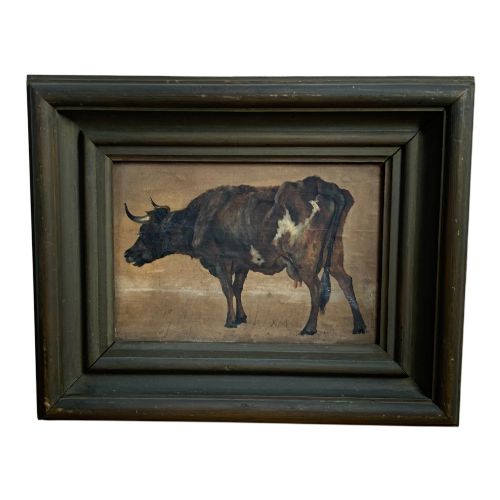
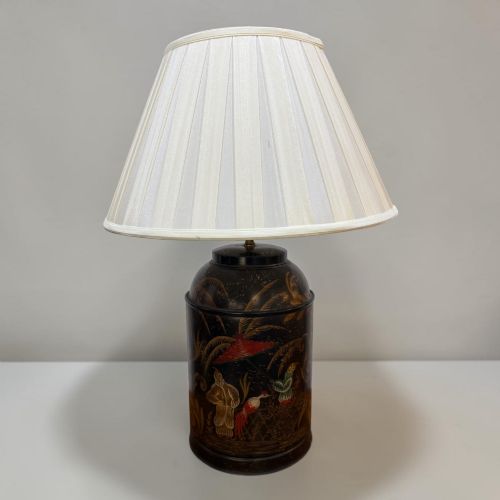
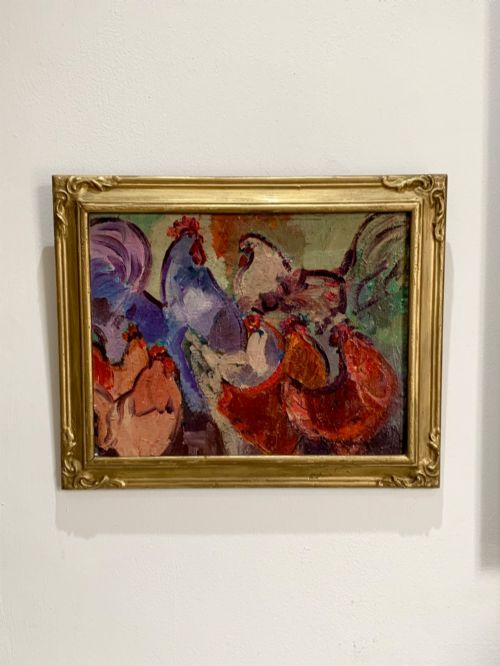
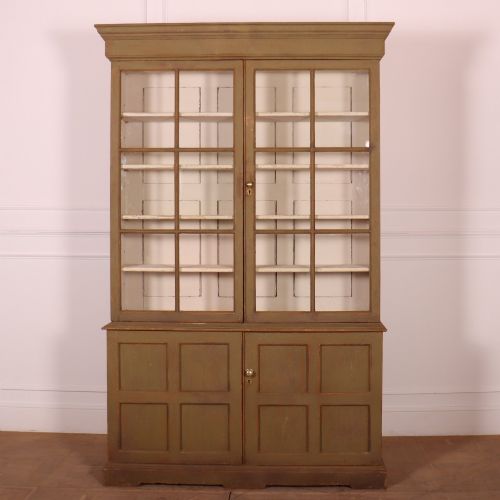
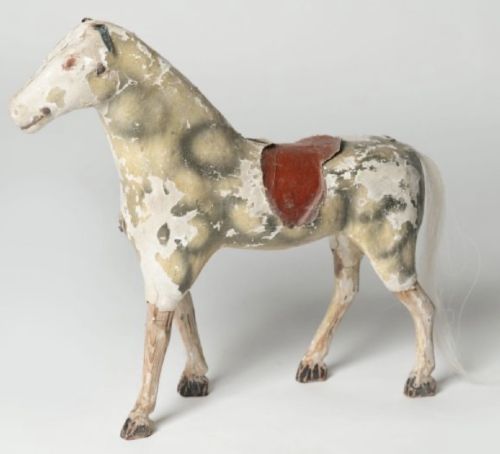
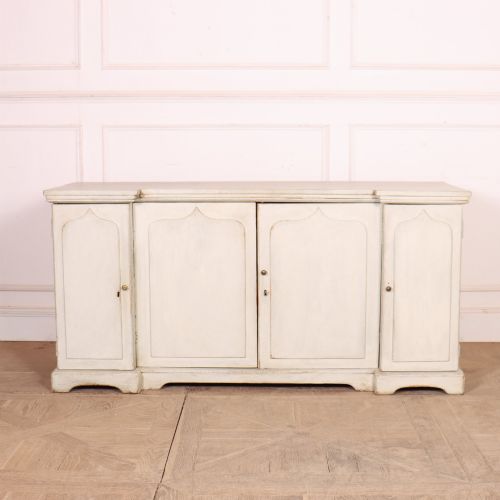
These vintage house painting works and associated painted country pieces bring warmth and history to a room.
Vintage House Painting
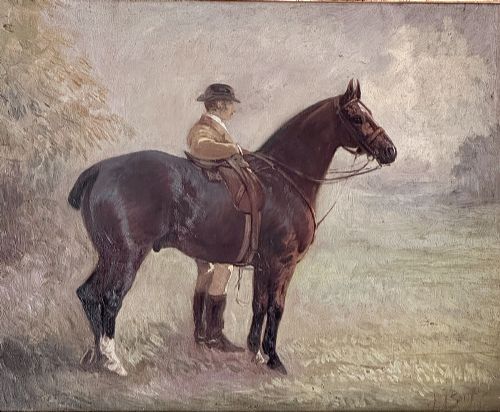
A vintage house painting search brings up a mix of oil paintings, watercolours, and architectural designs spanning the nineteenth century through to the mid-twentieth century. Buyers find framed artwork depicting cottages, estates, and rural scenes alongside painted furniture, chests of drawers, and cupboards.
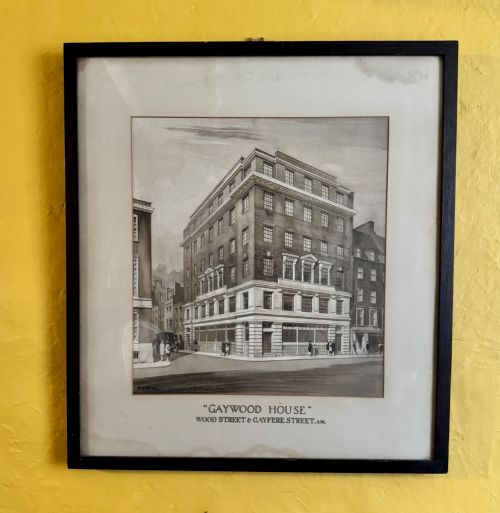
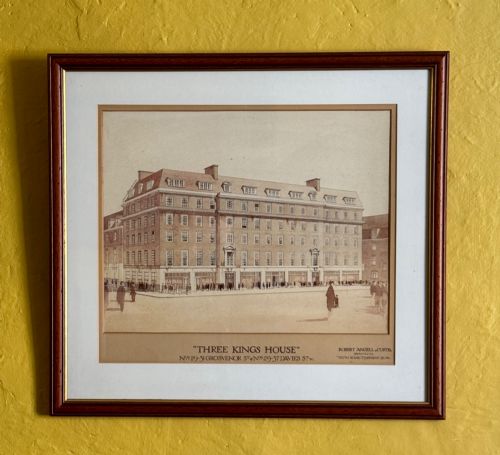
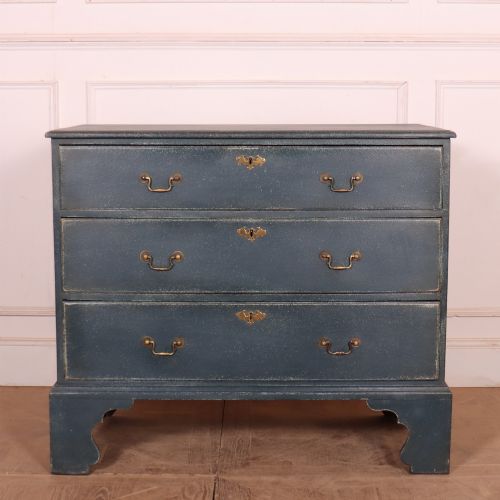
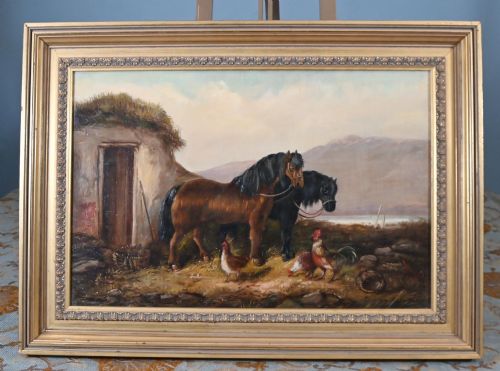
The most common items meeting this description include nineteenth century oil on canvas works, architectural watercolours of London properties, and rustic country furnishings finished in paint. These pieces reflect Victorian, Edwardian, and regional English or European domestic life.
Materials and construction
Paintings in this selection rely on oil paint or watercolour applied to canvas, board, or paper, often housed within simple wooden frames or glass fronts. Furniture and decorative objects utilise pine, hardwood, and wood, finished with traditional paint applications such as scumble or plain colour.
Makers constructed storage pieces like dressers, cupboards, and bedside tables using solid timber joined by period methods, then finished surfaces with layers of protective and decorative paint. Architectural watercolours utilise precise ink and paint on paper to delineate street elevations and building designs.
Vintage House Painting Retail Price Guide 2026
Typical asking prices for vintage house painting among the pieces listed under this phrase on Sellingantiques today, from the lower quarter to the upper quarter. They describe what is for sale here now, not the wider market.
Even miniature dolls house furniture makes an appearance alongside full-sized dressers and large oil portraits.
Assessing quality and character
The distinction between standard items and finer examples rests on the skill of the brushwork and the preservation of the original surface. Oil paintings with expressive detail and clear provenance stand apart from simpler decorative works.
Painted furniture varies according to the integrity of the surface finish, where untouched original paint holds more visual weight than later overpainting. Construction stability and timber selection further separate utilitarian pieces from finer regional cabinetwork.
John Shelley·Giovanni Milone·Charles Bilger Spalding·Henry Barraud·Willem J Palman·George Rankin
The Vintage House Painting Glossary
- Oil Paint
- A slow-drying medium consisting of pigments suspended in a drying oil, commonly linseed. It allows for rich colour depth and textured impasto work on canvas or board.
- Watercolour
- A painting method in which the paints are made of pigments suspended in a water-soluble vehicle. Architectural designers utilised this technique for precise building proposals.
- Scumble
- A thin, opaque or semi-opaque layer of modified paint brushed lightly over a different underlying colour. This technique creates a broken, textured appearance popular on period cupboards.
- Potboard Dresser
- A traditional kitchen or dining room base featuring an open lower shelf for storing crockery. These pine and hardwood items formed a staple of country house interiors.
- Trumeau
- A decorative wall mirror featuring an oil painting or carved panel incorporated into the upper section. French country examples often integrated painted woodwork.
Vintage House Painting: Frequently Asked Questions
What is a vintage house painting?
A vintage house painting typically refers to framed artwork depicting dwellings, country houses, or architectural elevations from past centuries. These works capture domestic and rural architecture using oil or watercolour.
Alongside canvas art, the category encompasses painted furnishings and architectural watercolours that record historic buildings and streetscapes from the nineteenth and early twentieth centuries.
How do I date an old oil painting?
Dating relies on examining the stretcher frames, the canvas weave, and the composition style characteristic of periods like the Victorian era or the early twentieth century. Pigment analysis and signatures also provide clues.
Framing methods and labels on the reverse often help narrow down the decade of creation, matching styles seen in nineteenth century realism and Edwardian art.
Where were painted cupboards used?
Painted cupboards and dressers served practical storage roles in kitchens, sculleries, and housekeepers rooms across English and European country houses. They held dry goods, tableware, and linens.
Over time, these utilitarian pieces moved into living spaces as decorative examples of folk art and regional cabinetmaking.
How should I care for oil on canvas?
Keep oil paintings away from direct sunlight and fluctuating humidity to prevent the canvas from slackening and the paint from cracking. Gentle dusting with a soft, dry brush maintains the surface.
Avoid using water or cleaning solutions on the paint layer, and consult a professional conservator for deeper cleaning or repairs.