


Vintage Horse Portrait Oil
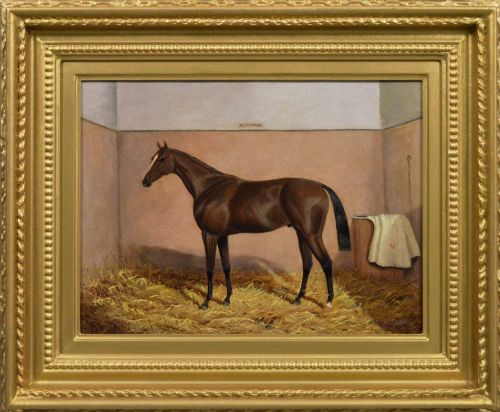
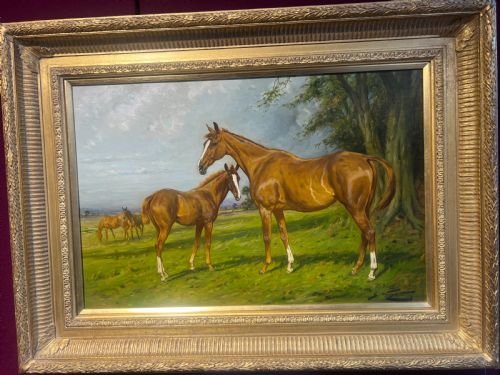
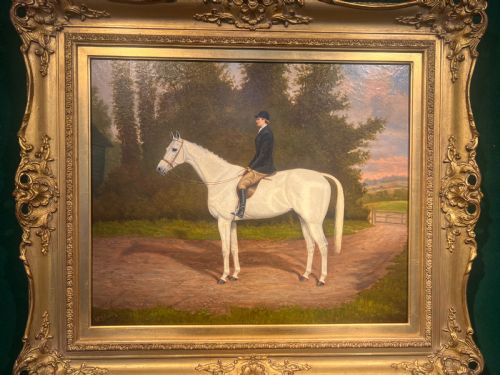
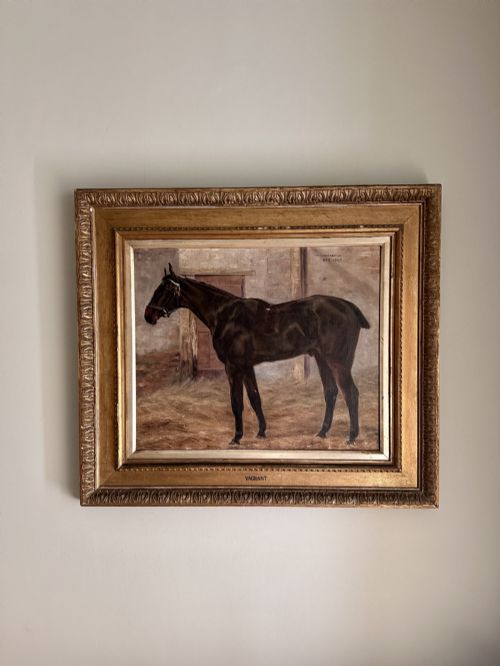
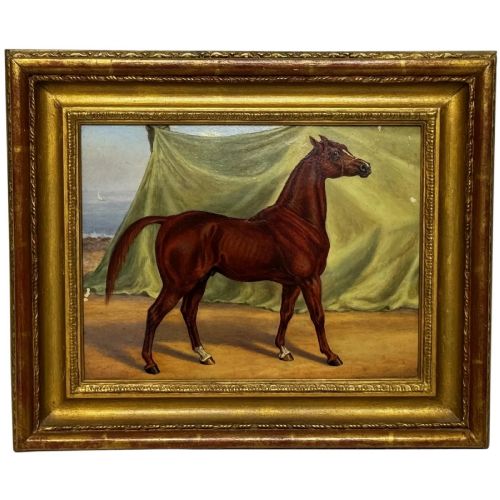
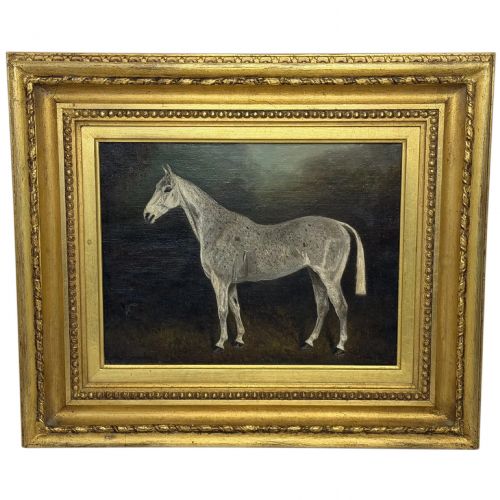
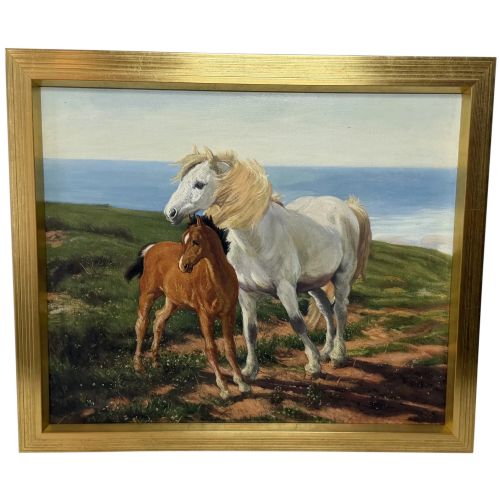
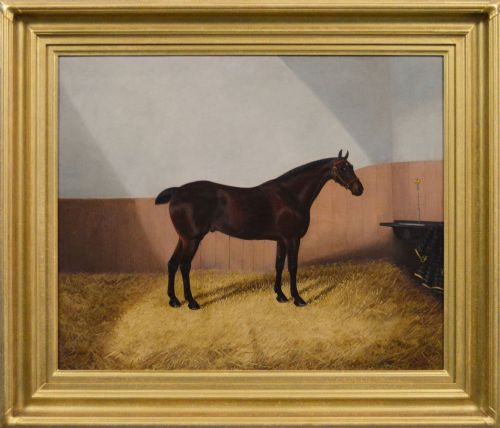
A vintage horse portrait oil captures the muscular grace and character of notable equines through traditional brushwork.
Vintage Horse Portrait Oil
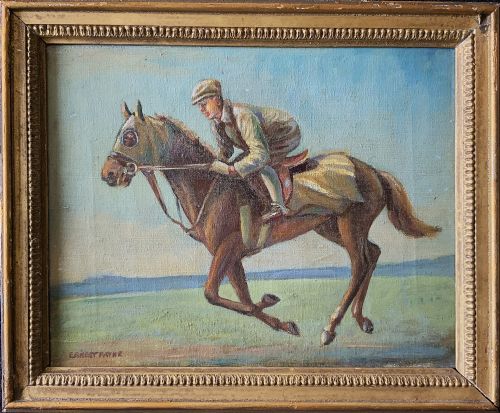
A vintage horse portrait oil represents a distinct category of equine art created to record valued hunters, racehorses, and stable favourites. Buyers searching for a vintage horse portrait oil encounter canvases spanning from the Georgian and Victorian eras through to mid century works.
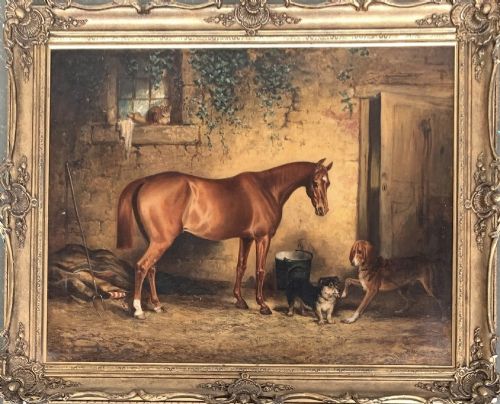
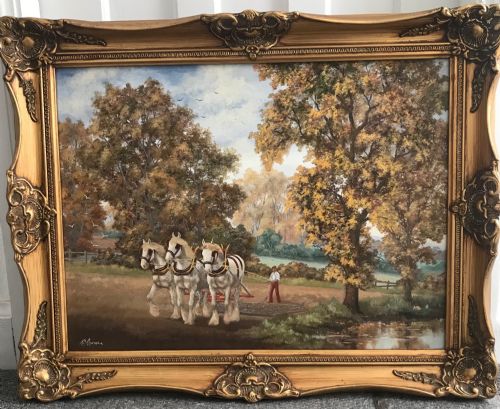
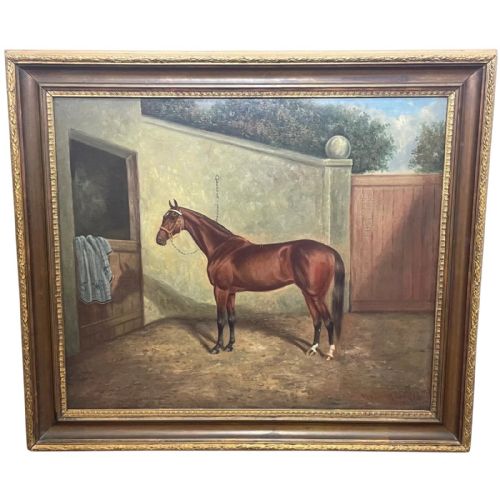
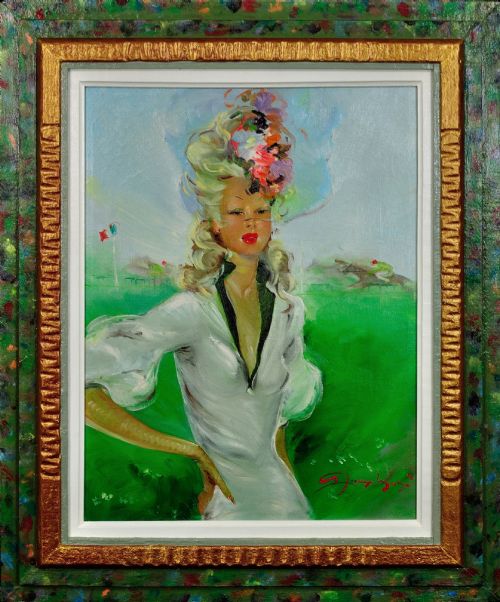
The subjects range from named winners at Epsom and provincial tracks to stable interiors and rural working scenes involving plough horses and hay wagons. Many pieces originate from British sporting traditions, though French school panels and Indian colonial stable portraits also appear.
How they were made
Painters applied oil paint to stretched canvas, wood panels, or pine panels, frequently framing the finished works in giltwood or gilt frames. Artists utilised traditional layering techniques to build the rich coats and muscular definition of horses in stables or landscapes.
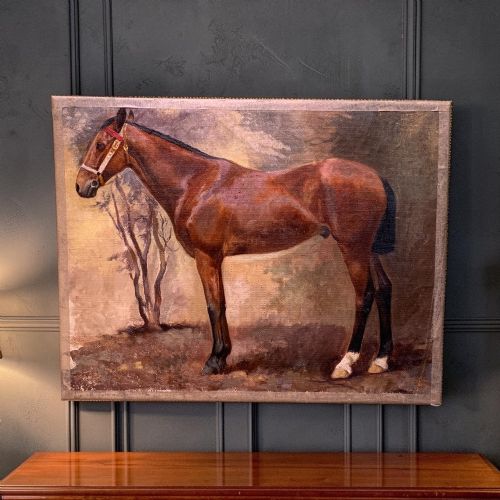
Makers recorded specific conformation and anatomical detail by hand, employing fine brushes for the sheen of a bay coat or the foam on a hunter's muzzle. The physical support ranges from heavy woven canvas to solid wood boards.
Several canvases record champion horses sharing the frame with remarkably unimpressed stable dogs.
What varies in quality
The distinction between standard works and master creations lies in the painter's grasp of equine anatomy, stance, and light. Superior examples convey the individual personality and temperament of the animal rather than a generic horse shape.
Compositional depth and background detail also separate the tiers of work. Superior artists place the animal within a convincing landscape or stable interior with accurate perspective, whereas lesser paintings rely on flat, formulaic backdrops.
Henry Barraud·Frederick Albert Clark·Thomas Walker Bretland·William Williams·John Alfred Wheeler
The Vintage Horse Portrait Oil Glossary
- Oil on Canvas
- Pigment mixed with drying oil applied to a woven fabric support. This remains the most common substrate for equine portraits from the Victorian period onwards.
- Giltwood
- Wood carved and covered with a thin layer of gold leaf or gilt. These frames often accompany traditional sporting art and elevate the presentation of the canvas.
- Equine Portrait
- A painting dedicated specifically to recording the likeness and physical traits of a horse. These works frequently document named winners and prize hunters.
- Sporting Art
- A genre of painting depicting field sports, racing, and animals associated with rural pursuits. British sporting art forms the core of this collecting field.
- Panel
- A rigid support made from wood or pine used instead of canvas. Earlier works frequently utilised wooden boards before canvas became dominant.
Vintage Horse Portrait Oil: Frequently Asked Questions
How do I identify a named racehorse portrait?
Makers often inscribed the name of the horse, the owner, or the race victory directly onto the canvas, stretcher bar, or frame. Researching the recorded dates and owners helps connect the animal to historical racing records.
Secondary documentation, such as estate provenances or exhibition labels on the reverse, also confirms the identity of the subject and the hand of the painter.
What is the difference between a hunter and a racehorse painting?
Hunter portraits typically display sturdier conformation, heavier bone structure, and outdoor hunting attire or rural landscape backgrounds. They reflect the practical demands of field sports and cross country riding.
Racehorse portraits generally feature finer thoroughbred lines, lighter builds, and specific track or stable settings often including jockeys in racing silks or trainers.
How can I tell the period of a horse painting?
The materials provide the primary clue, with 18th century works frequently appearing on pine panels while Victorian and Edwardian examples utilise woven canvas. Style of framing and costume details of any human figures present also date the composition.
Artist signatures and recorded biographical dates supply the most reliable chronological anchor for establishing when the paint was applied.