



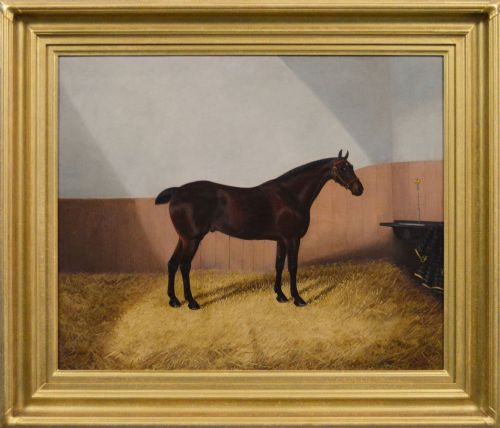
Vintage Horse Oil Canvas
When you search for vintage horse oil canvas pieces, you find centuries of equine portraiture and sporting art captured in oils.
Vintage Horse Oil Canvas
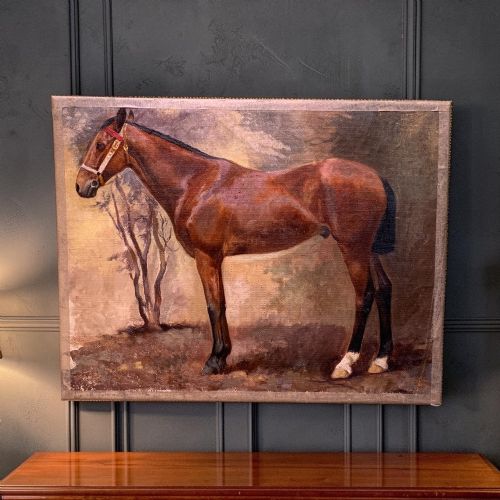
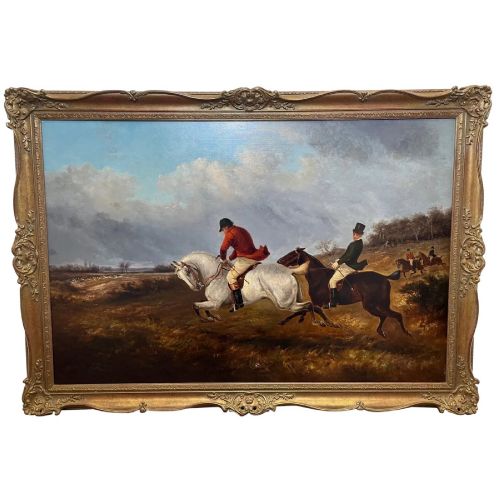
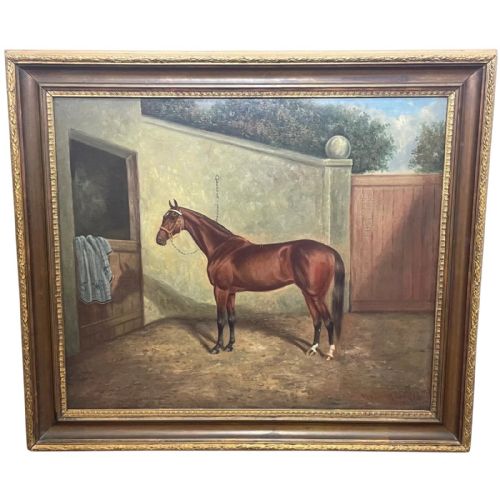
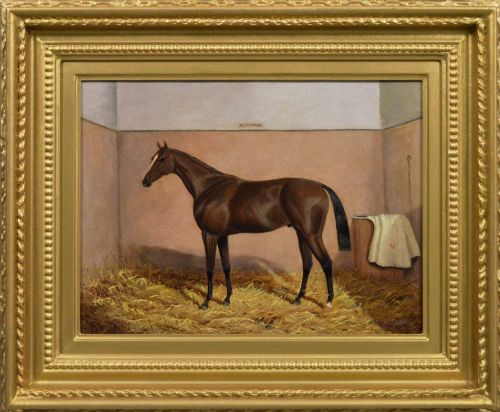
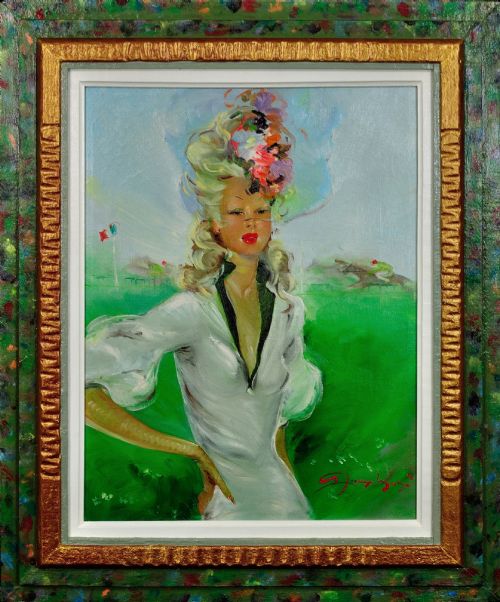
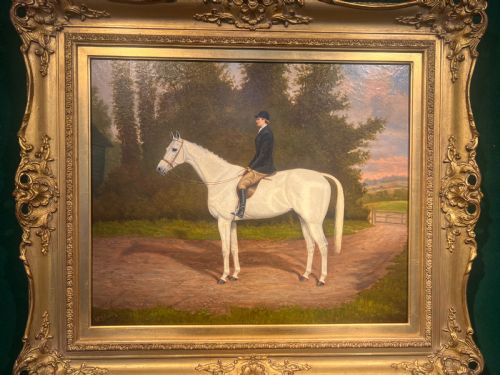
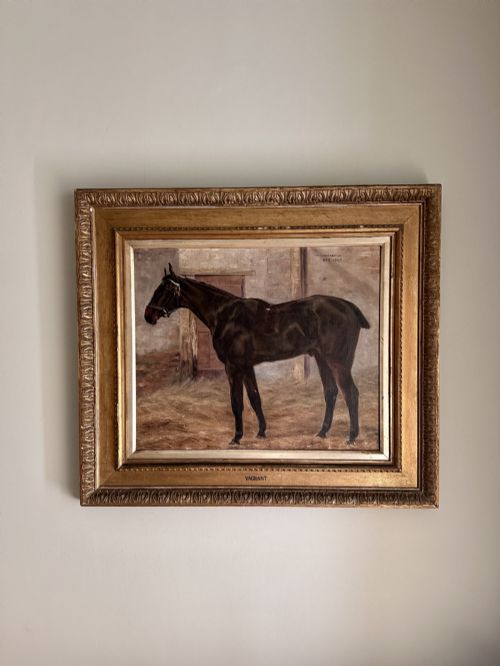
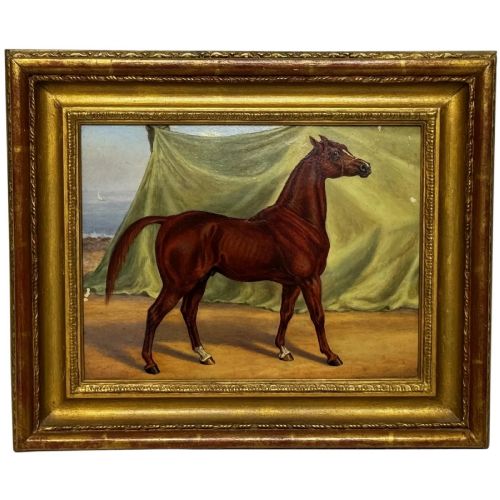
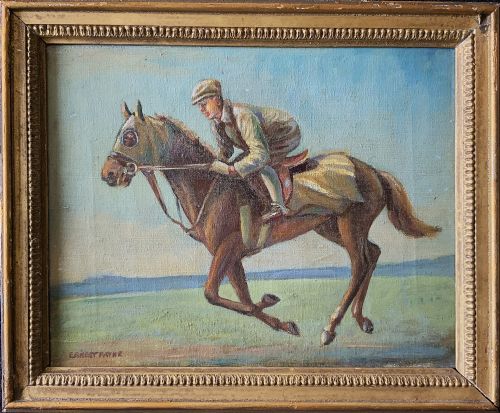
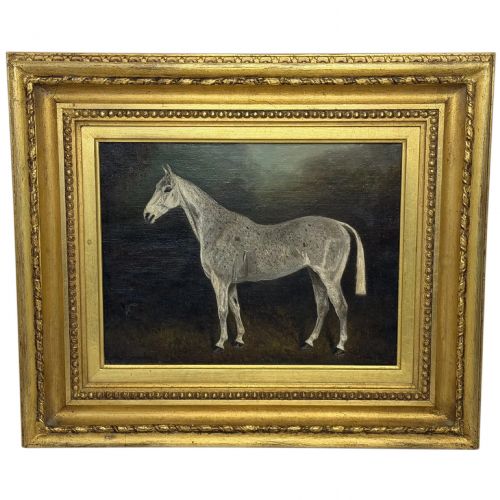
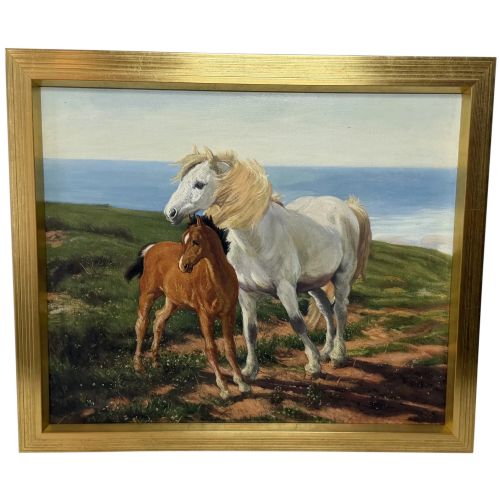
A vintage horse oil canvas brings together historical equine subjects and traditional painting techniques across various periods. When exploring vintage horse oil canvas works, you encounter depictions ranging from nineteenth-century hunters and racehorses to twentieth-century rural landscapes and stable scenes.
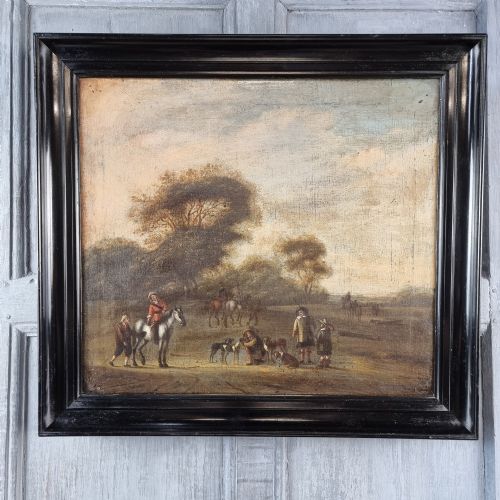
The selections span Victorian, Edwardian, and mid-century eras, reflecting shifts in British and European sporting art. Works often feature named racehorses, local mares, and hunting scenes set against pastoral backgrounds.
Most examples originate from the nineteenth and twentieth centuries, employing canvas supports housed within period frames. These paintings document the enduring cultural role of horses in agriculture, sport, and leisure.
Materials and construction methods
These works rely on oil paint applied to woven canvas supports, often stretched over wooden frames and secured within giltwood surrounds. Artists built up subjects through layered brushwork, capturing the sheen of coats and the muscular definition of equines.
The physical build combines traditional canvas preparation with pigmented oil formulations that retain their luminosity over decades. Frames utilise carved wood and gilt finishes that complement the visual weight of the central composition.
Several canvases record local racing history, preserving the names of nineteenth-century Derby winners alongside humble plough horses.
Factors influencing quality and execution
Quality rests upon the artist's anatomical accuracy in rendering the horse and the sensitivity of the surrounding landscape. Stronger examples display a precise command of light on horsehair and leather harness, alongside convincing depth in pasture or stable settings.
The sophistication of the brushwork and the preservation of the original canvas and stretcher dictate the standing of a piece. Finer works capture individual character and movement rather than relying on generic formulas for animal portraiture.
Henry Barraud·Thomas Smythe·Albert Clark·George Wright·Charles Walter Simpson
The Vintage Horse Oil Canvas Glossary
- Oil on Canvas
- A painting medium where pigments suspended in drying oils are applied to a woven fabric support. This combination allows for rich colour depth and blended tonal transitions.
- Giltwood
- Wood carved and coated with a thin layer of gold leaf or metallic gilt paint. It is commonly found on traditional picture frames housing historical paintings.
- Equine Portrait
- A visual representation focusing primarily on a specific horse, often commissioned by owners or breeders. These works frequently document named racehorses or prized hunters.
- Sporting Art
- A genre of art depicting rural sports, including horse racing, fox hunting, and coaching scenes. It holds a prominent place in nineteenth-century British visual culture.
Vintage Horse Oil Canvas: Frequently Asked Questions
How do I date a horse oil painting?
Dating relies on stylistic clues, framing techniques, and signatures or inscriptions on the canvas reverse. Costume details in human figures and the specific breed type also offer chronological markers.
Comparison with documented works by known artists helps narrow the decade of production. Documentation or labels on the stretcher provide further historical context.
What subjects are common in these paintings?
Common subjects include named racehorses, hunting horses with hounds, and agricultural animals in rural landscapes. Coaching scenes and stable portraits also appear frequently across the periods.
Artists often recorded specific equine champions or local working horses. The background typically reflects the agricultural or sporting pursuits of the era.
How should I care for an oil painting on canvas?
Protect the canvas from direct sunlight and stable environmental humidity to prevent paint cracking and canvas slackening. Dust gently with a soft, dry brush without applying pressure to the paint surface.
Avoid using liquid cleaners or chemical solvents on the canvas or the giltwood frame. Professional conservation is recommended for any structural repairs or cleaning.
How do I distinguish a study from a finished portrait?
Studies often feature looser brushwork and focus on specific anatomical elements or quick observations of movement. They tend to be less formal than commissioned portraits of prize animals.
Finished portraits present a more polished composition with detailed backgrounds and refined textures. Both forms offer insight into the artist's working method.