







Vintage Horse and Carriage
Vintage horse and carriage items unite fine art and utilitarian craft, offering a glimpse into nineteenth and early twentieth-century transport.
Vintage Horse and Carriage
When you search for vintage horse and carriage, you encounter a varied selection of antique watercolours, oil paintings, and brass carriage lamps from the Victorian and Edwardian periods.
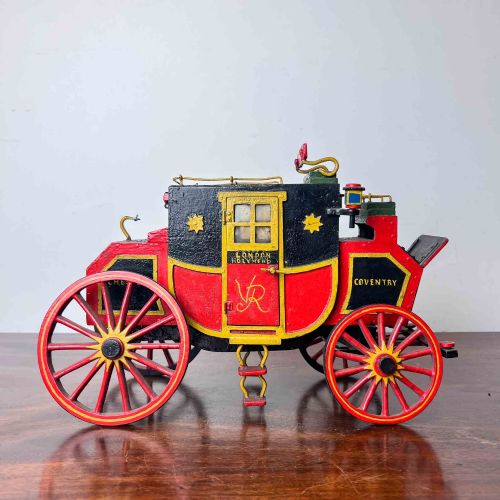
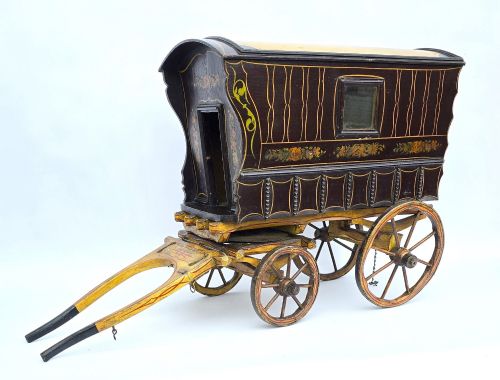
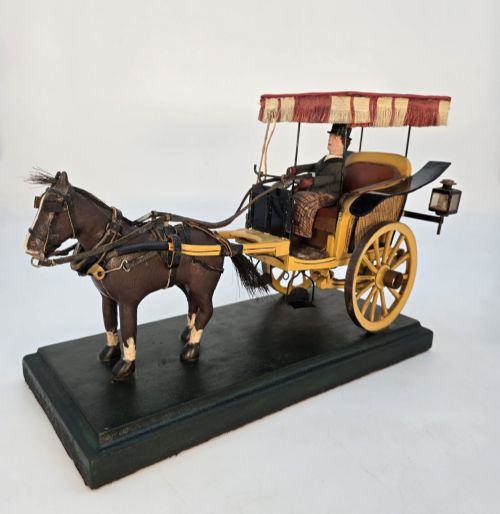
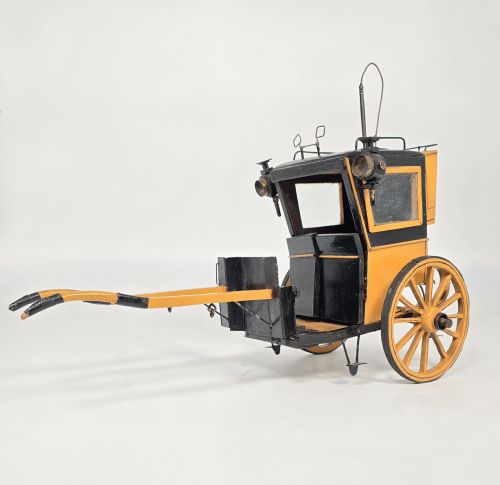
The objects on this page range from detailed scale models of Parisian chaises and Hansom cabs to traditional British sporting scenes and coaching lamps in brass and cast iron.
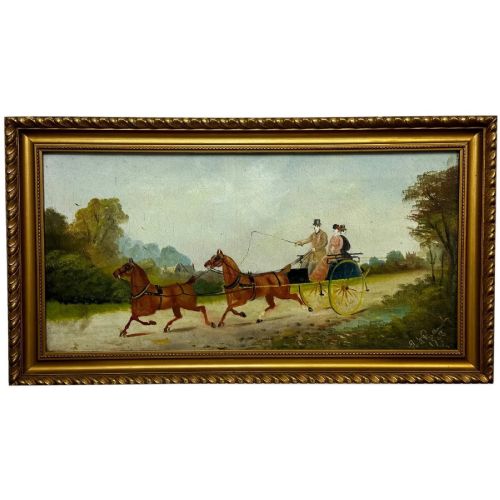
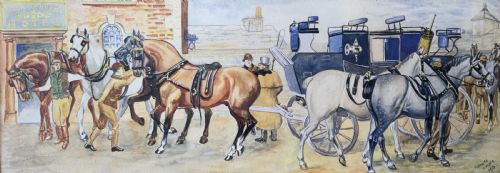
Folk art models and framed chalk drawings sit alongside oil paintings by artists such as George Wright and Samuel Henry Alken, capturing the era of horse-drawn transit.
Materials and construction
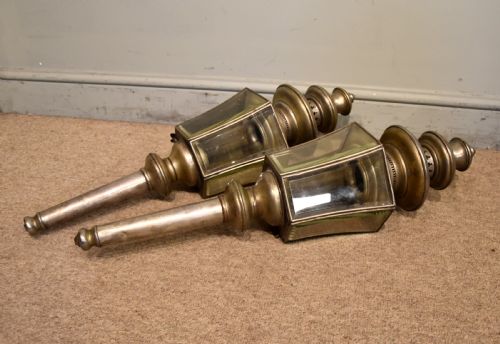
The physical pieces rely on traditional combinations of wood, brass, cast iron, and glass, particularly evident in the construction of coach lamps and scale models.
Artistic depictions utilise watercolour, oil paint, ink, and chalk on paper, canvas, or wood panels, often preserved behind glass in oak or walnut frames.
Vintage Horse and Carriage Retail Price Guide 2026
Typical asking prices for vintage horse and carriage among the pieces listed under this phrase on Sellingantiques today, from the lower quarter to the upper quarter. They describe what is for sale here now, not the wider market.
Listings feature items from the 1850s to the 1930s, utilising oil paint, watercolour, glass, wood, brass, and copper.
Assessing quality and execution
Quality in these pieces depends on the precision of scratch-built details in wooden models and the fidelity of harness and equine anatomy in paintings.
Metalwork quality shows in the weight and finishing of brass and cast iron on carriage lamps and novelty trinket boxes.
R.D. Roberts·Albert Ludovici Jnr·Cecil Charles Windsor Aldin·George Wright·Charles James Lauder·Philip Henry Rideout·Samuel Henry Alken·Eduard Leon Cortes·John Richard Worsdale·John Vine of Colchester·Henry Jacot·H. Alken
The Vintage Horse and Carriage Glossary
- Coach lamp
- A heavy brass and glass lighting fixture mounted to the side of a horse-drawn carriage to illuminate the road.
- Folk art model
- A hand-carved or scratch-built wooden representation of a vehicle made outside formal academic traditions.
- Hansom cab
- A two-wheeled urban carriage with the driver seated behind, popular during the nineteenth century.
- Trap
- A lightweight two-wheeled horse-drawn carriage used for leisure or sporting travel.
- Colour lithograph
- A print produced through a flat-surface printing process using multiple stones for different coloured inks.
Vintage Horse and Carriage: Frequently Asked Questions
What are vintage carriage lamps?
Carriage lamps are heavy brass and glass lanterns originally mounted to the exterior of horse-drawn vehicles to provide illumination during night travel.
Today, they survive as decorative wall lights or freestanding interior pieces, valued for their robust metal construction and bevelled glass panels.
How do I display a carriage model?
Scale models of chaises and caravans require stable placement away from direct sunlight and dramatic changes in humidity to protect the aged wood and paper components.
Displaying them on a dedicated shelf or within a glazed cabinet keeps the delicate parts safe from accidental damage while maintaining visibility.
What periods do these pieces span?
The items gathered here primarily date from the nineteenth and early twentieth centuries, encompassing the Victorian and Edwardian eras as well as the Belle Epoque.
Dates are often supported by signatures, stylistic markers, or framing materials typical of the 1870s through to the 1920s.
How do I identify sporting paintings?
Equestrian sporting scenes typically depict coaching journeys, stagecoaches with hounds, or four-in-hand driving clubs rendered in oil or watercolour.
Artists such as George Wright and Samuel Henry Alken focused heavily on the precise arrangement of horses, harness straps, and wheeled traps.