

Vintage Home Office Bureau
A vintage home office bureau provides a dedicated writing space and practical storage, bringing period character directly into modern workspaces.
Vintage Home Office Bureau
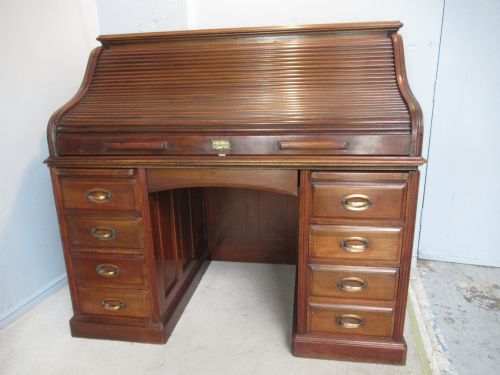
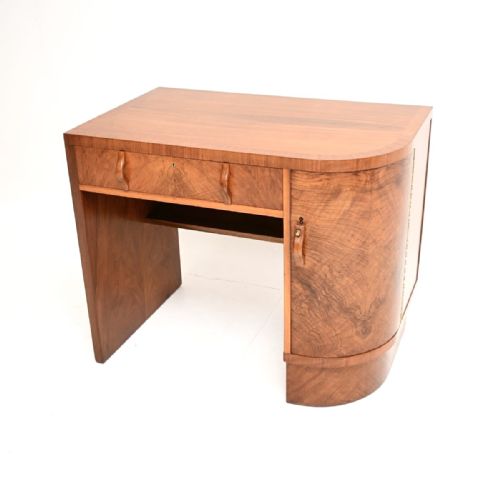
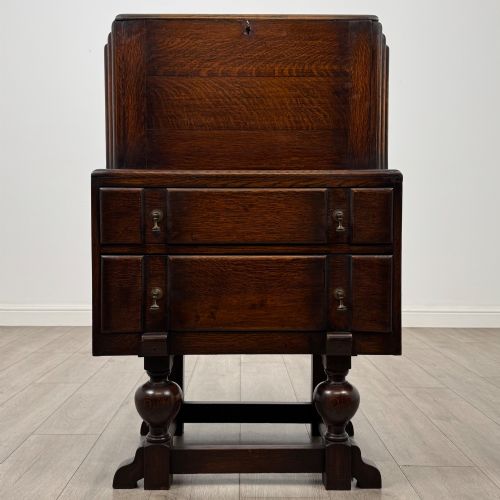
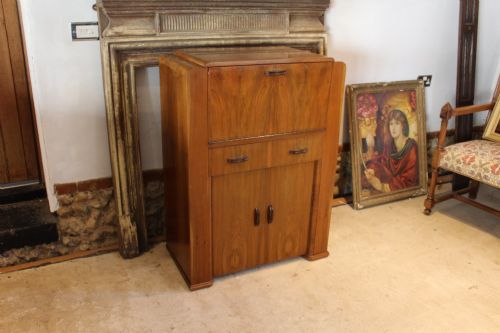
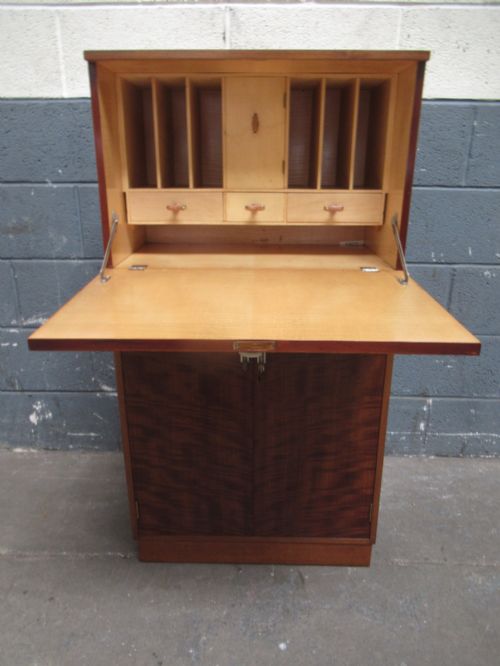
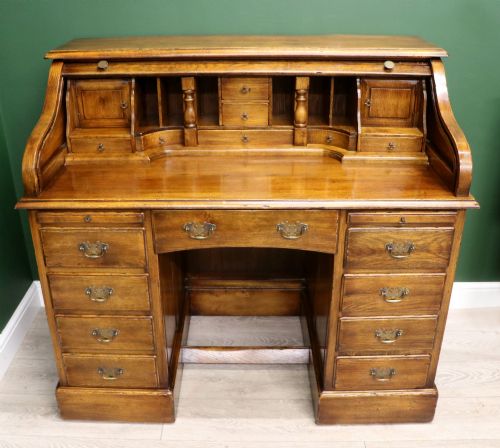
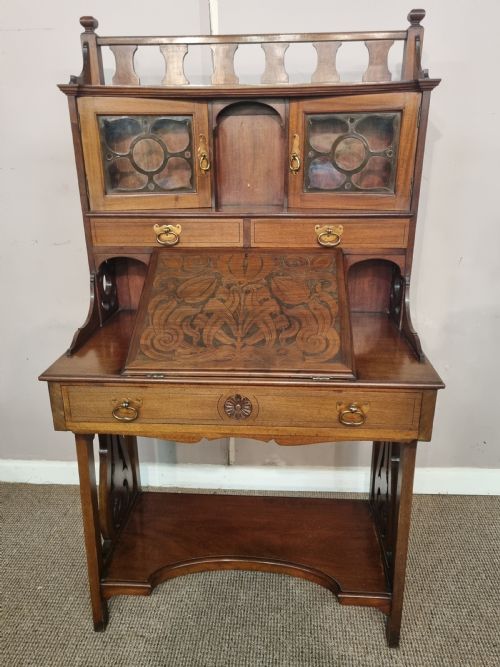
A vintage home office bureau encompasses practical writing furniture designed for daily workspace utility across multiple historic periods. Pieces range from traditional drop-front writing slopes to pedestal desks and large bureau bookcases originating from the nineteenth and twentieth centuries.
Materials and Technique
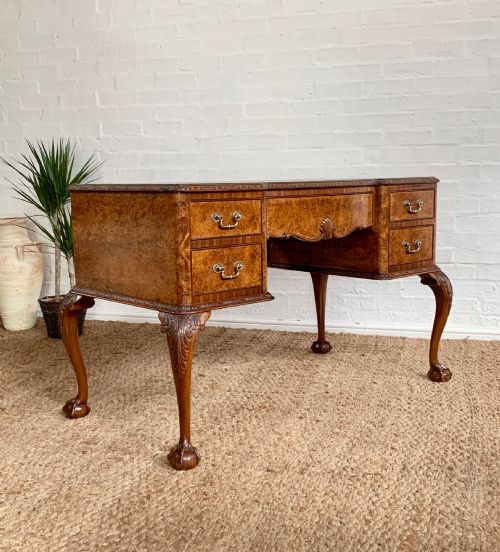
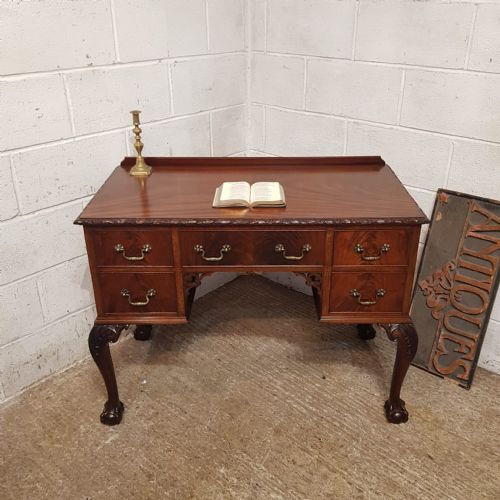
Construction relies heavily on traditional hardwoods such as mahogany, oak, and walnut, often enhanced with burr walnut veneers or figured grain patterns. Master cabinetmakers incorporated brass hardware, dovetailed drawer construction, and structural timber framing.
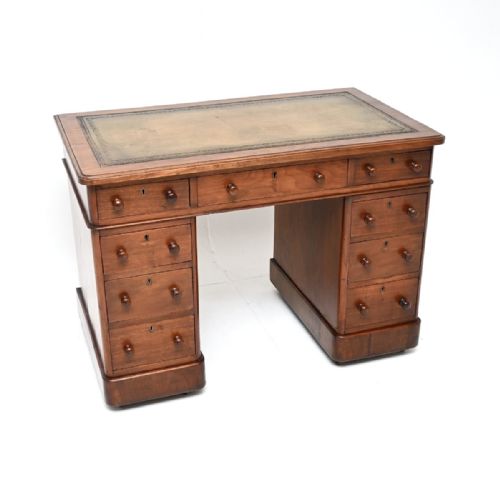
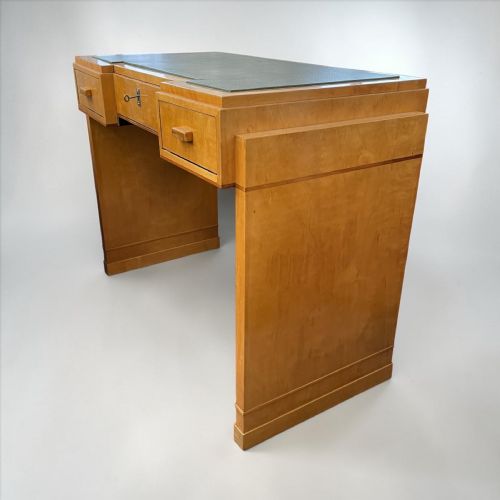
Writing surfaces frequently integrate inset leather panels, sometimes finished with gold tooling for a polished writing texture. Painted wood finishes and glazed cabinet doors appear across specific regional and period pieces.
Secret compartments inside drop-front writing slopes wait behind miniature drawers to hide private correspondence.
Craftsmanship and Proportion
Quality separates through the selection of timber veneers and the precision of internal drawer joinery rather than surface appearance alone. Superior pieces exhibit balanced proportions, intact original brass fittings, and smooth mechanical action in roll tops or drop-front slopes.
The integration of secondary timbers and the integrity of the fitted interior compartments determine the overall standard of construction. Original leather writing surfaces and well-preserved maker stamps elevate the standing of individual examples.
F.H. Marshall & Co Glasgow·Maples of London·Heal and Son·Rumney & Love Liverpool·Edwards & Roberts·Étienne Kohlmann
The Vintage Home Office Bureau Glossary
- Bureau
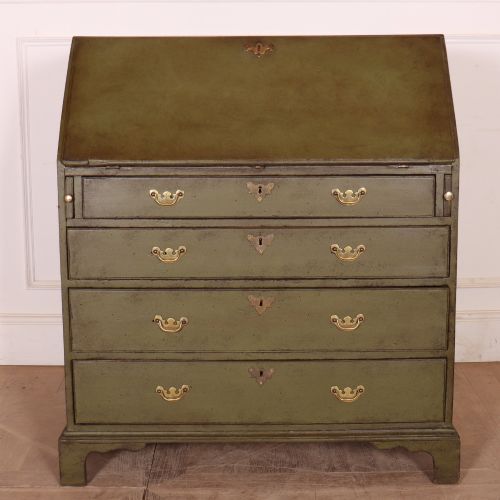
- A writing desk featuring a sloping hinged lid that opens to reveal a fitted interior of small drawers and pigeonholes. This form provides hidden workspace organisation.
- Kneehole desk
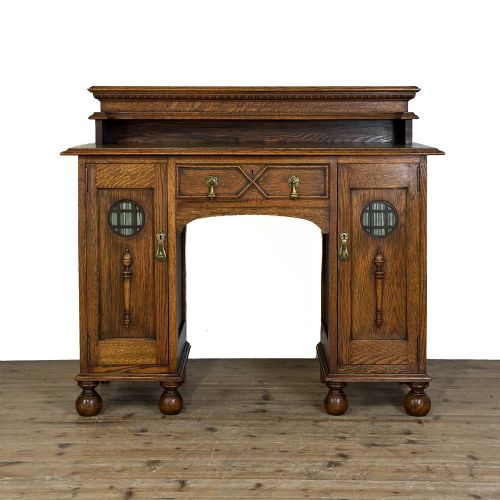
- A pedestal desk featuring a central recess for the user's legs, flanked by banks of smaller drawers. This configuration maximises storage while maintaining a compact footprint.
- Roll top desk
- A cylinder or tambour desk utilising narrow wooden slats running in tracks to enclose the writing surface. This mechanism conceals papers when not in use.
- Pedestal desk
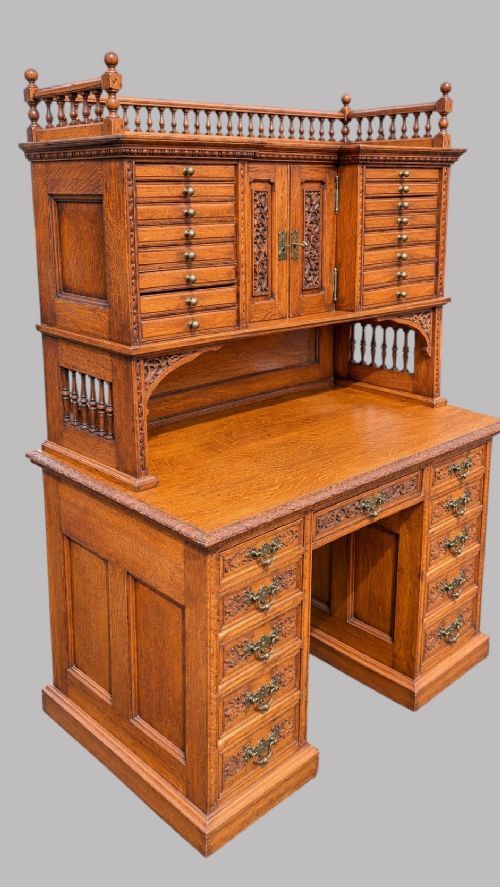
- A heavy freestanding desk comprising two supporting columns of drawers beneath a rectangular top. These units offer substantial workspace and deep storage compartments.
- Bureau bookcase
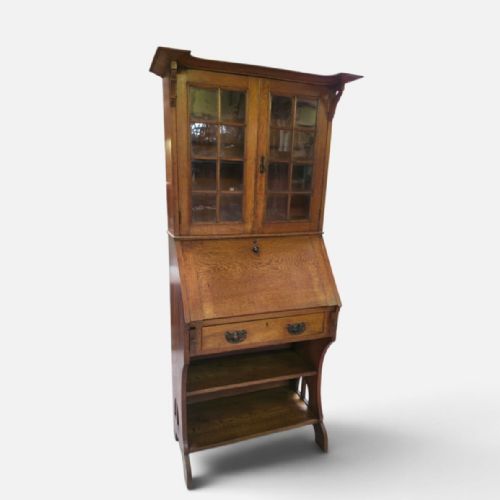
- A writing bureau surmounted by a glazed or panelled shelving cabinet for books. This combined unit merges study furniture with library storage.
Vintage Home Office Bureau: Frequently Asked Questions
What is a bureau bookcase?
A bureau bookcase combines a drop-front writing desk with an upper shelving unit enclosed by glass doors. It offers dual functionality for writing and book storage within a single tall piece of furniture.
These pieces suit studies and living rooms where vertical storage helps maximise floor space while displaying collections.
How do I maintain leather desk inserts?
Leather writing surfaces require gentle cleaning with a damp cloth followed by occasional application of neutral leather balm to prevent drying and cracking. Avoid using harsh chemical detergents or excess water.
Proper care preserves the suppleness of the leather and maintains the gilt tooling found on period writing tables.
What distinguishes a kneehole desk?
A kneehole desk contains a central recessed opening for sitting, flanked by two pedestals of stacked drawers. This layout provides symmetrical storage alongside comfortable legroom.
Such desks appeared widely in mahogany and walnut across Victorian and Edwardian workshops.
How do tambour doors operate?
Tambour doors consist of narrow strips of wood glued to a fabric backing, allowing the assembly to slide smoothly around a curved track. This mechanism rolls back to reveal the desktop interior.
Proper maintenance involves keeping the wooden tracks clean and free from accumulated dust to ensure easy movement.