


Vintage Hearth Stand
A vintage hearth stand gathers the heavy metal tools and stands by the fireplace that keep the coal burning and the floor clean.
Vintage Hearth Stand
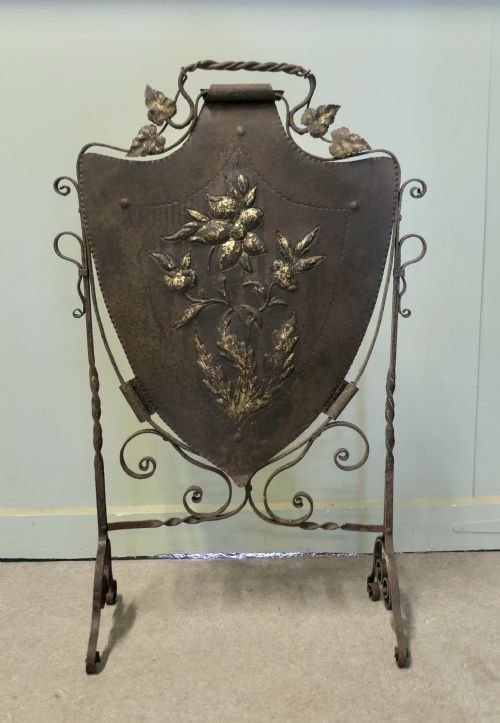
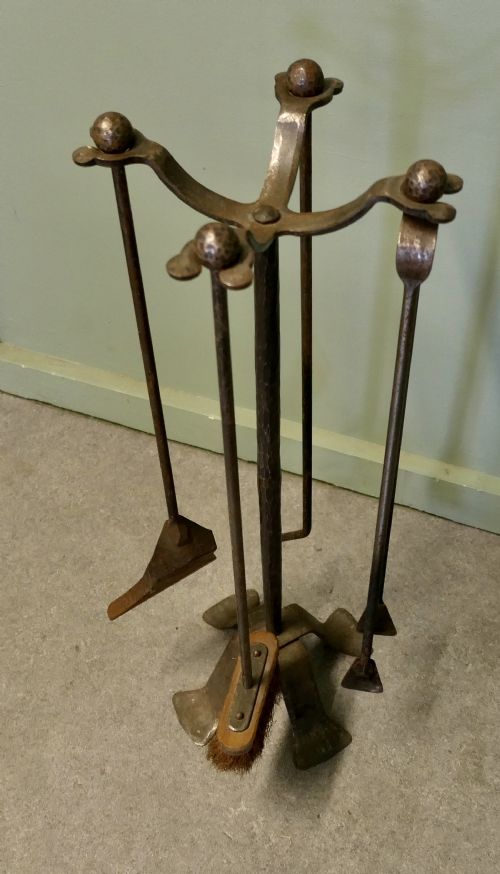
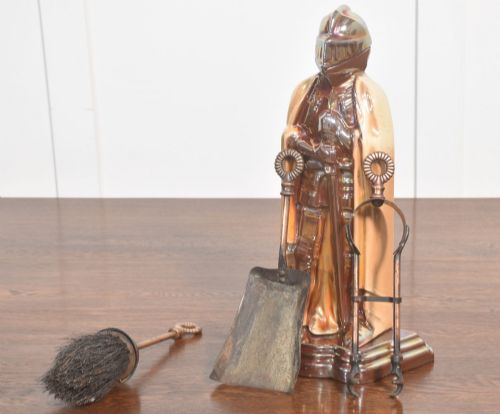
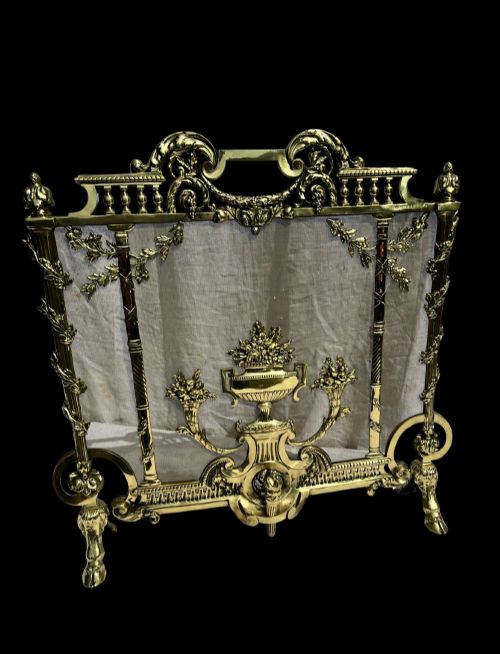
The vintage hearth stand covers a broad group of fireside metalwork and wooden accessories designed to manage open coal or wood fires. When searching for a vintage hearth stand, buyers encounter items ranging from low brass footmen and kettles stands to companion sets, fire dogs, and trivets used around the grate.
The pieces appearing here span from the 18th century through the Victorian, Edwardian, and Regency periods, utilising durable metals like brass, iron, steel, and copper alongside wood elements. Most examples serve a practical purpose by elevating pots near the heat or organising pokers and tongs, whilst others like pole screens deflect heat from the face.
What varies in quality
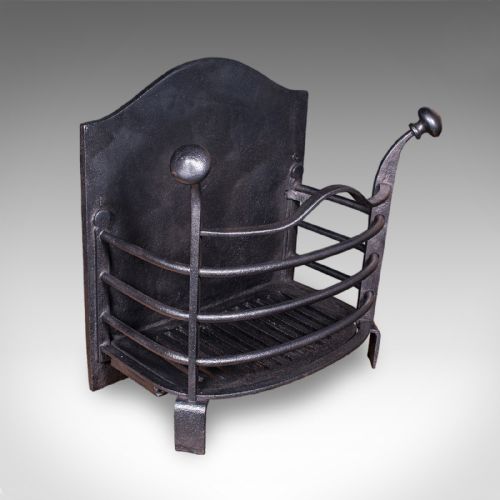
Quality rests in the weight of the metal and the crispness of the casting rather than surface finish alone. Substantial brass fire dogs and thick cast iron grates show a density that lighter reproductions lack.
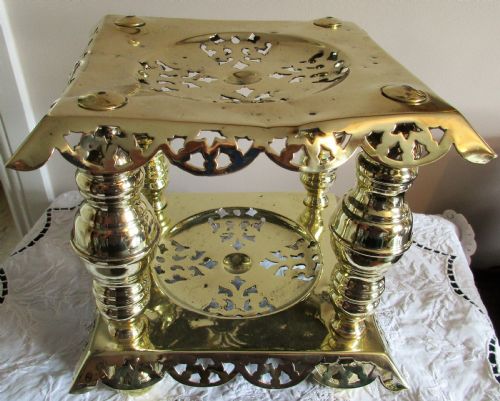
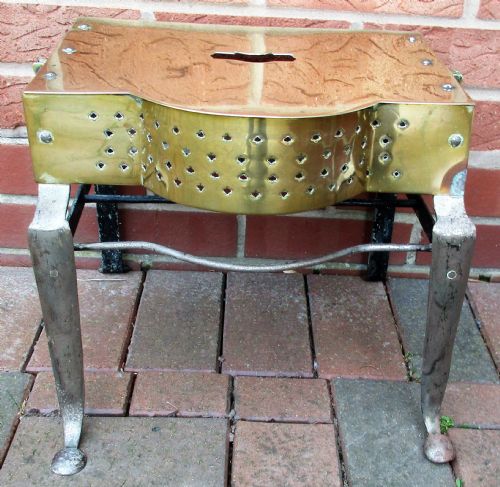
Refinement in the assembly separates everyday utility pieces from finer parlour items. Pierced brass work on footmen, hand-carved mahogany on pole screen bases, and integrated tool rests indicate superior workshop execution.
Vintage Hearth Stand Retail Price Guide 2026
Typical asking prices for vintage hearth stand among the pieces listed under this phrase on Sellingantiques today, from the lower quarter to the upper quarter. They describe what is for sale here now, not the wider market.
Listings feature brass, wrought iron, and mahogany across the 18th, 19th, and early 20th centuries.
The Vintage Hearth Stand Glossary
- Footman
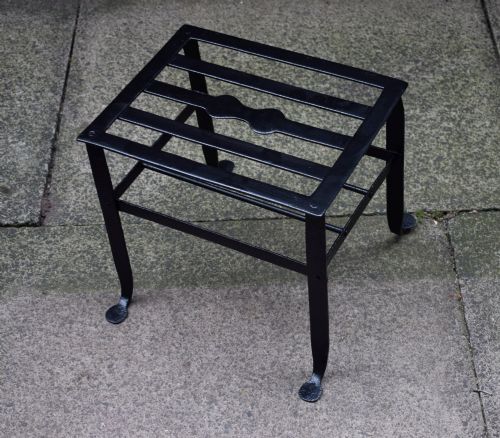
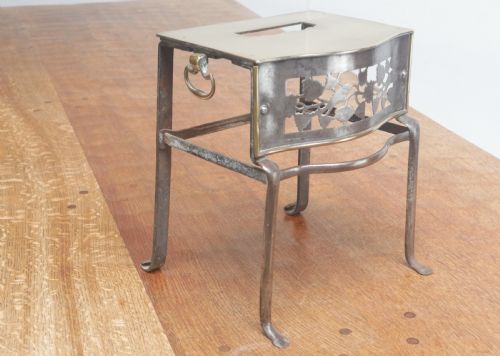
- A low metal stand, usually brass and steel, placed in front of the fireplace to keep food or kettles warm. These stands typically feature four legs and a pierced top plate.
- Andiron
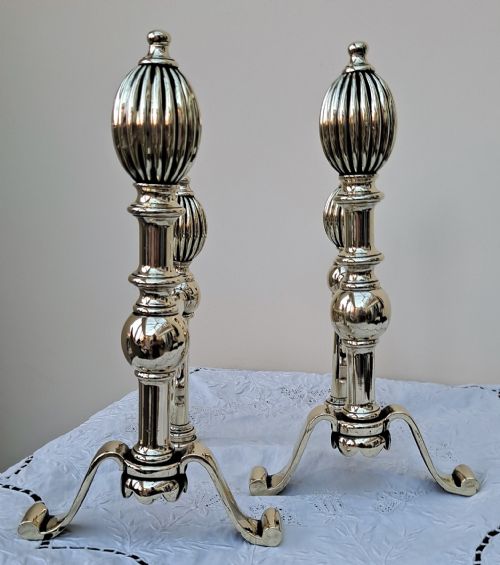
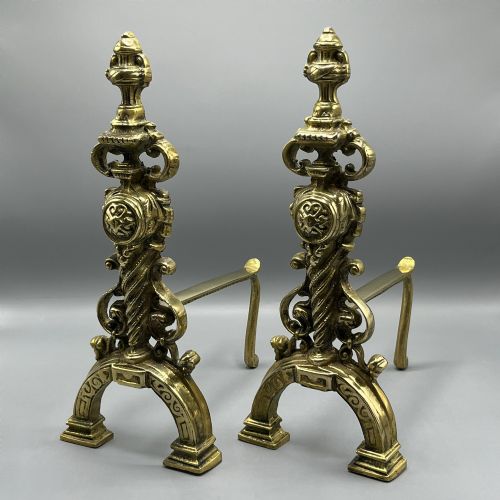
- One of a pair of horizontal metal supports placed in a fireplace to hold logs above the ash. They often feature decorative brass or cast iron fronts visible in the hearth.
- Pole screen
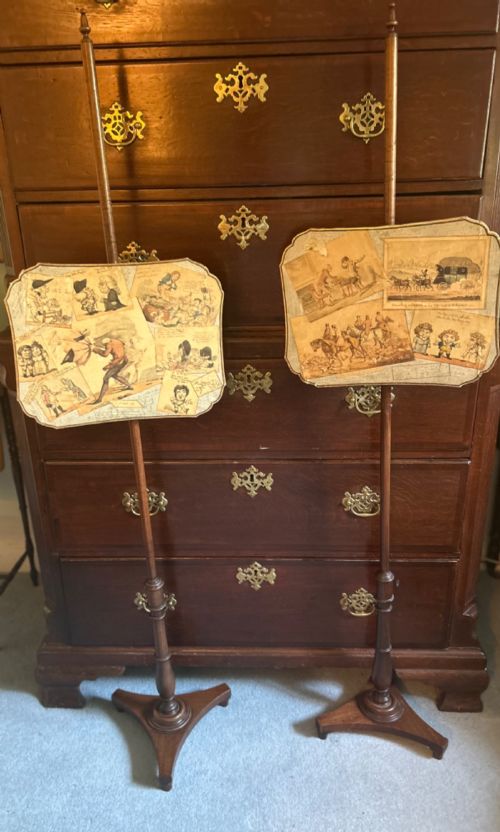
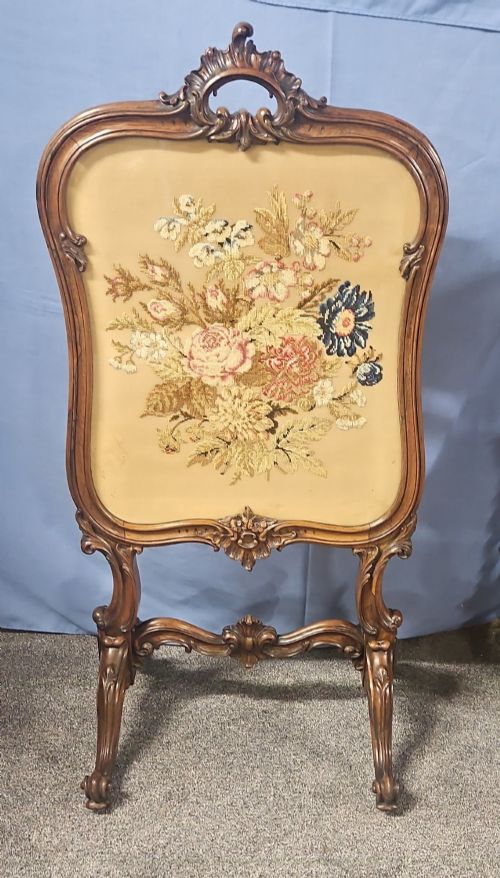
- An adjustable vertical screen on a stand used to shield a person's face from the radiant heat of the fire. The panel often holds needlepoint, embroidery, or satirical prints.
- Trivet
- A small three-legged or four-legged stand placed near the hearth or over the fire to support a kettle or pan.
- Companion set
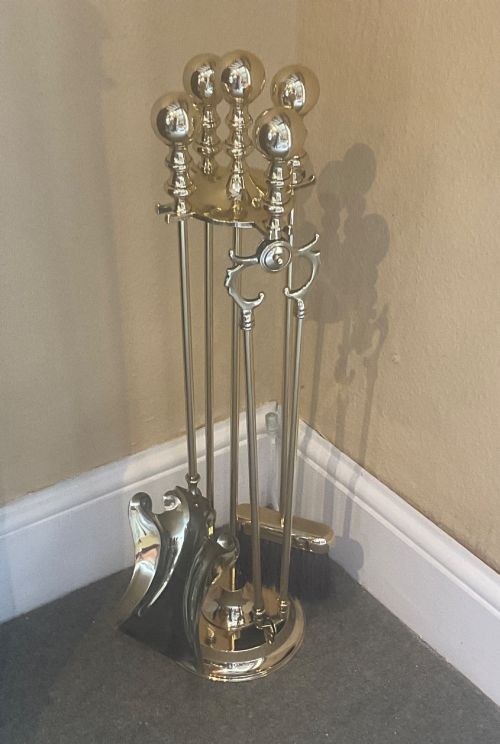
- A matched collection of fireside tools, including pokers, tongs, and shovels, held together on a dedicated stand or rest.
Vintage Hearth Stand: Frequently Asked Questions
What is a footman used for?
A footman sits directly before the fireplace hearth to keep kettles or dishes warm near the coals.
Its sturdy brass and steel construction handles the direct heat of an open fire while raising cookware off the floor.
How do I identify a Georgian andiron?
Georgian andirons typically feature heavy cast brass or iron construction with period motifs like urn tops or scroll feet.
They show the hand-finished qualities of 18th-century metalworking rather than modern machine stamping.
Where did pole screens go?
Pole screens stood in 18th and 19th-century drawing rooms where ladies sat to protect their complexions from excessive hearth heat.
The adjustable panel slid up and down a wooden pole to block the warmth as needed.
Can I use antique fire dogs today?
Antique fire dogs made of solid cast iron or brass remain structurally suited for supporting logs in an active fireplace.
Buyers should check the weight and material to ensure the pieces can withstand modern wood fires.