



Vintage Hearth Seating
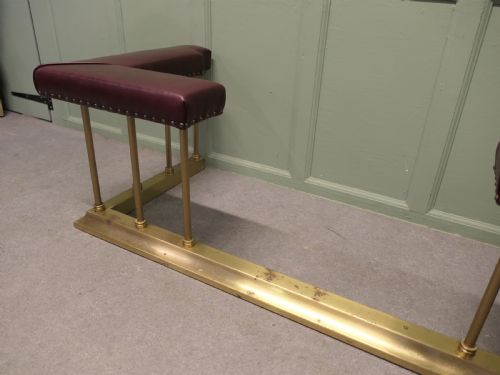
Vintage hearth seating brings together sturdy stools and low club fenders built to sit close to the fire.
Vintage Hearth Seating
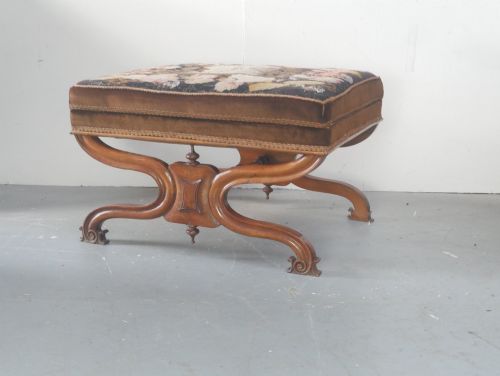
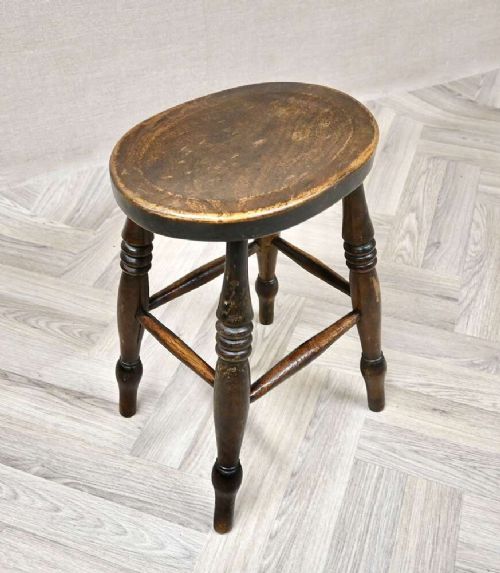
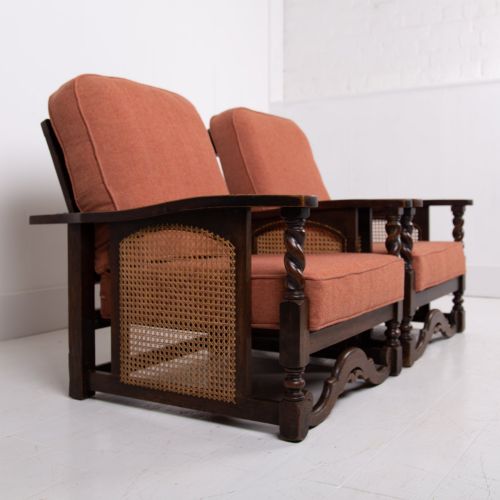
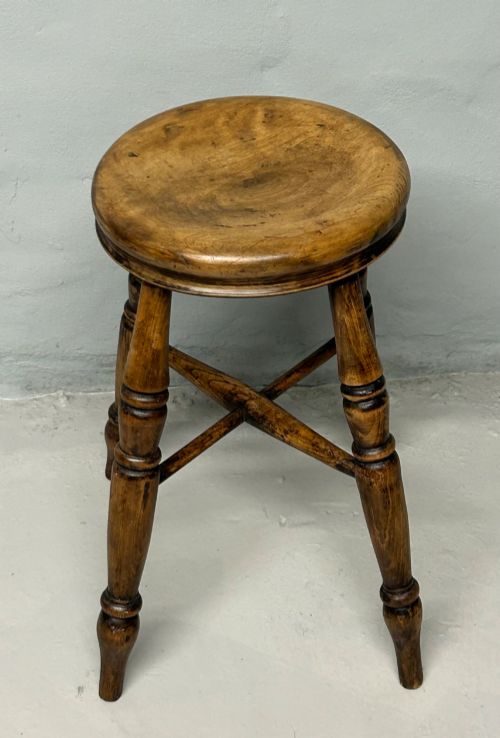
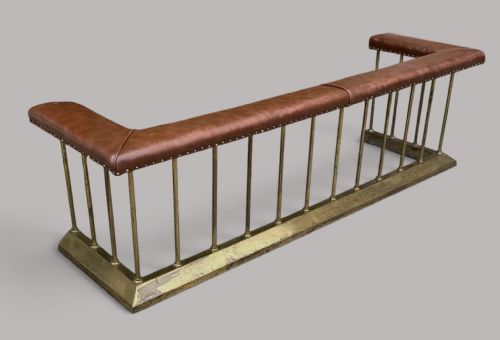
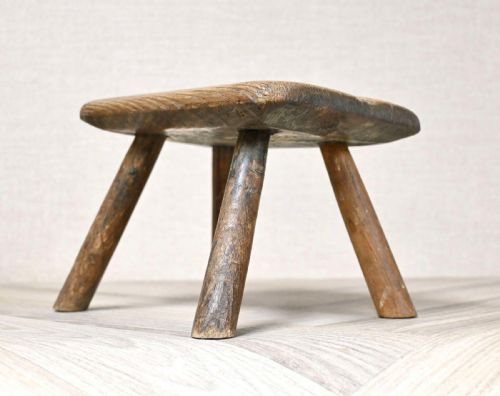
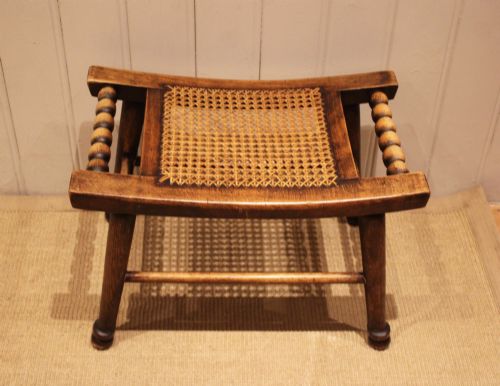
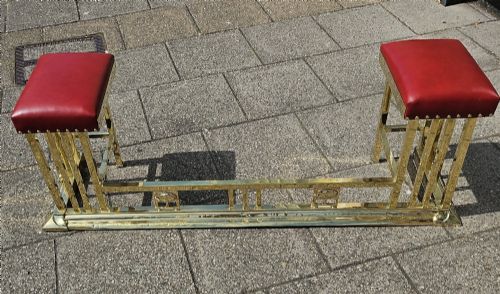
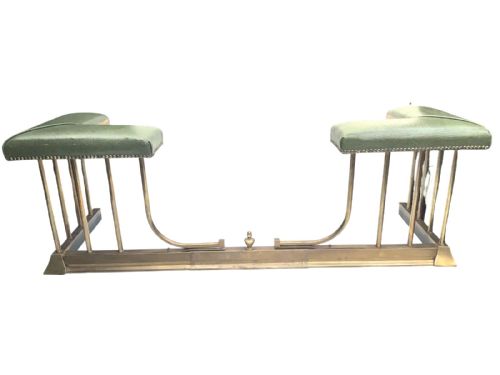
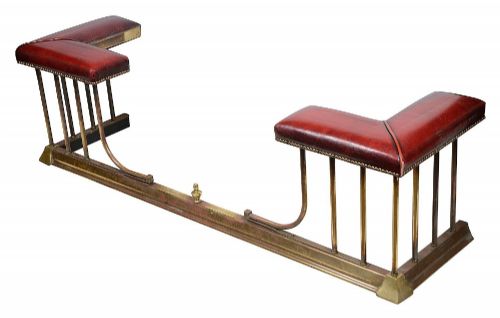
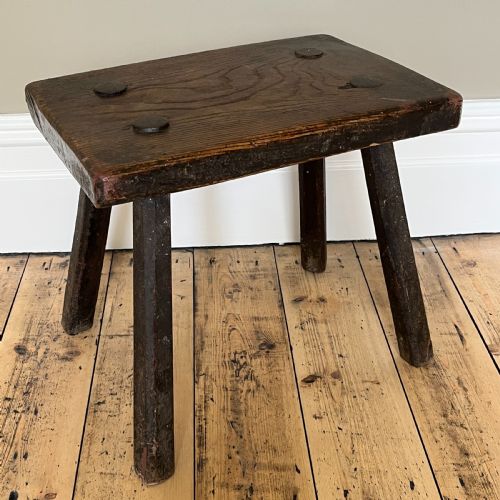
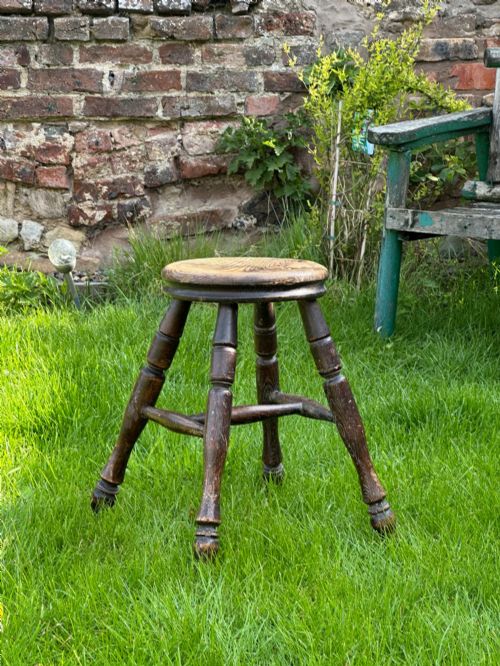
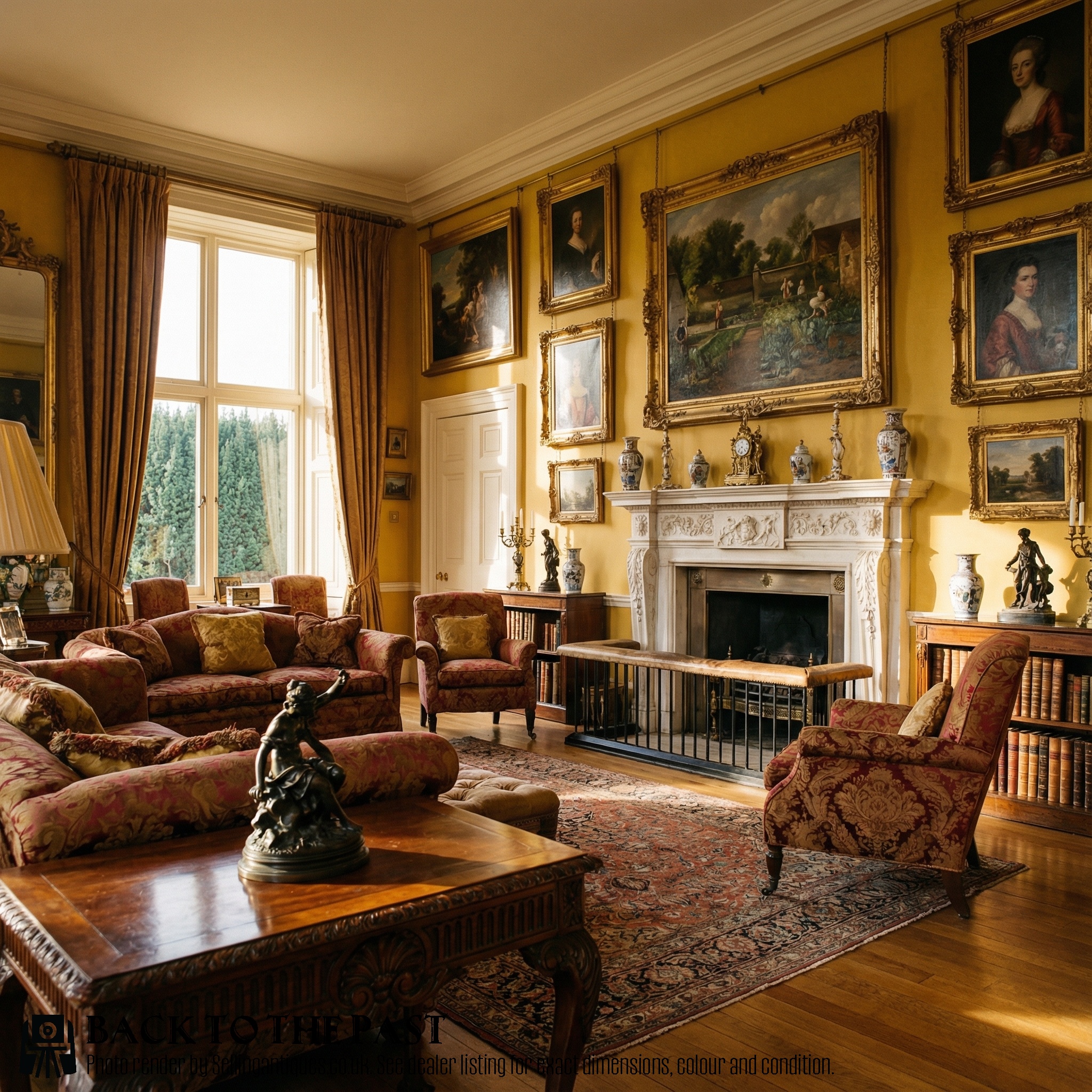
Vintage hearth seating comprises low stools, footstools, armchairs, and club fenders designed to sit directly by the fire. The selection centres heavily on club fenders with upholstered seats, alongside wooden country stools and footstools.
The pieces span the nineteenth and early twentieth centuries, drawing on Victorian, Edwardian, and Art Deco periods. Regional styles range from Scottish Baronial to primitive country and Jacobean revival.
Makers adapted these forms from everyday functional items into substantial pieces for country houses and town residences. Most encounters on this page involve brass and leather club fenders or sturdy timber stools in elm, oak, and beech.
Materials and Construction
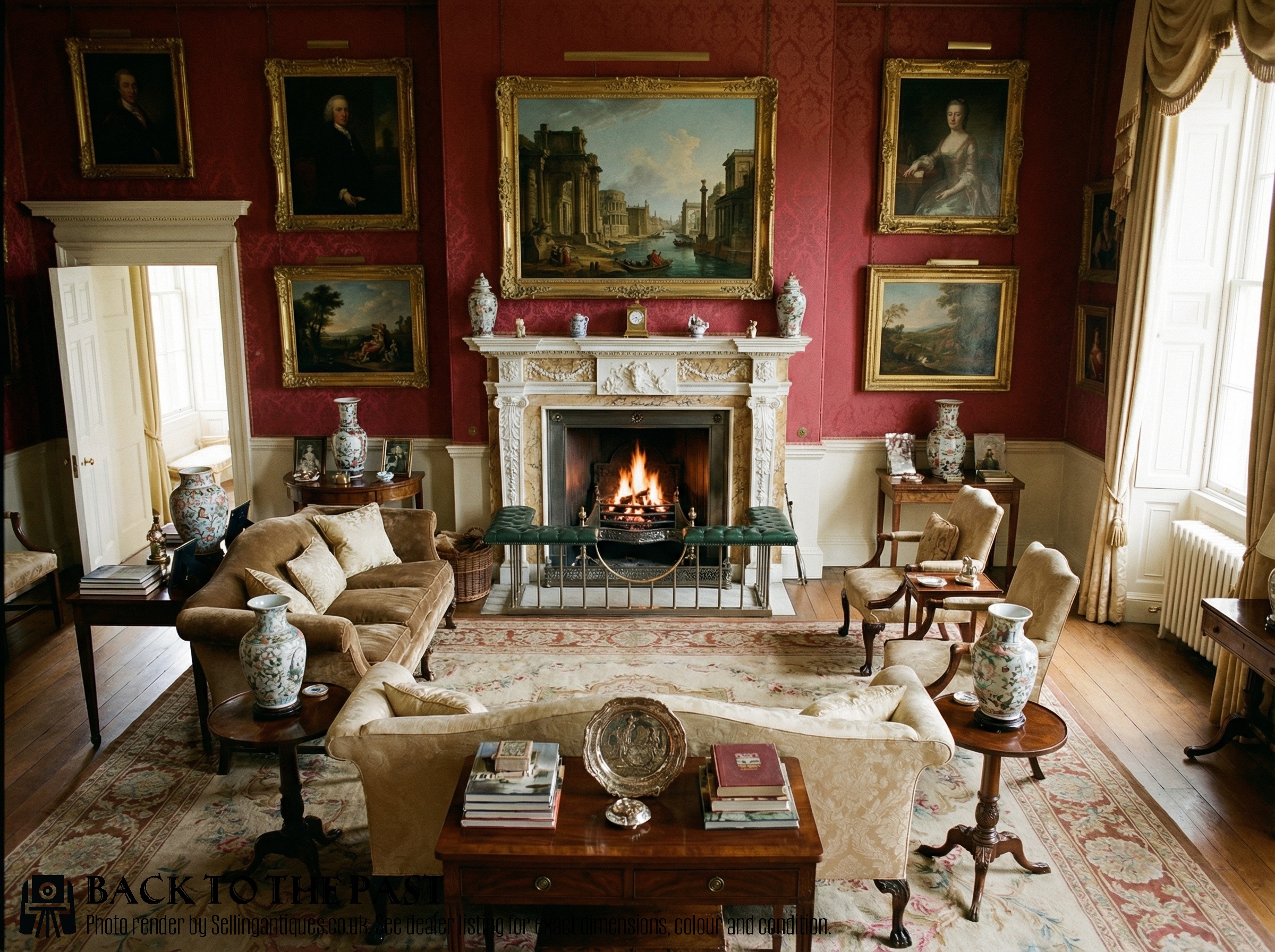
Frames rely on timber, steel, iron, and polished brass. Oak, elm, beech, and walnut form the wooden structures of stools, while brass and steel provide the supportive frames for club fenders.
Upholstery relies on mature leather, fabric, needlepoint, and cane seats. Metalwork involves turned brass spindles, copper details, and heavy iron bases designed to withstand heat and regular use near the hearth.
Some nineteenth-century Scottish stools feature pokerwork inscriptions such as 'Touch me wha daur' to warn careless visitors near the flames.
Assessing Build and Materials
Quality depends upon the weight of the metal framework and the selection of timber. Heavy gauge brass and substantial oak or elm frames represent the upper end of production, whereas lighter sections indicate simpler utilitarian work.
The integrity of the upholstery surface distinguishes finer examples. Mature leather with patination and traditional hand-stitched elements outrank standard replacement coverings in character and material honesty.
The Vintage Hearth Seating Glossary
- Club fender
- A low metal frame with upholstered corner seats or a continuous top cushion, designed to sit around a fireplace hearth. These structures provide extra seating close to the fire without obstructing the warmth.
- Pokerwork
- A decorative technique using a heated tool to burn designs into wood. This method appears on nineteenth-century Scottish pieces featuring carved or burned inscriptions.
- Needlepoint
- A form of counted thread embroidery used historically for durable chair and stool covers. It provides a textured, decorative surface across antique seating tops.
- Spindle
- A turned wooden or metal rod used in the balustrade framework of club fenders. These vertical elements support the upper seat cushion above the hearth base.
- Rush seat
- Woven dried marsh grass forming a supportive grid for traditional stools. This natural material was chosen for its flexibility and resilience in country settings.
Vintage Hearth Seating: Frequently Asked Questions
What is a club fender?
A club fender is a low metal seating structure placed around the hearth. It allows people to sit right by the fire while keeping logs contained.
Most examples combine a brass or steel frame with leather top cushions. They originated in large country houses during the Victorian period.
How do I choose the right size?
Measure the width and depth of your fireplace surround before selecting a fender or stool. Hearth seating must fit the available floor space without blocking fire tools or ash trays.
Consider the height of the seat relative to your fireplace opening. Lower stools suit shallow hearths, while larger club fenders require wider clearances.
Are these pieces suitable for daily use?
These items were built for practical domestic environments and handle regular sitting well. Solid timber frames and metal bases offer long-term durability.
Leather and fabric seats benefit from careful conditioning to maintain their condition. Regular use simply adds to the natural patination of the materials.
How do I date an antique stool?
Dating relies on examining the timber species, joinery methods, and upholstery style. Nineteenth-century pieces often feature hand-turned legs and traditional joining techniques.
Edwardian and later examples introduce materials like steel and distinct Art Deco brass forms. Comparing the turned spindles and hardware helps narrow down the manufacturing decade.