





Vintage Hearth Kettle Stand
These vintage hearth kettle stand pieces bring solid brass, iron and steel warmth to the fireplace, holding water ready by the fire.
Vintage Hearth Kettle Stand
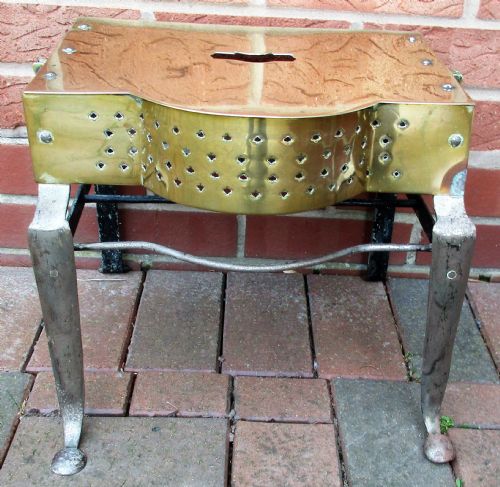
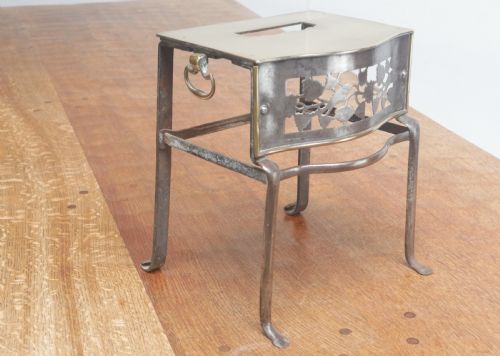
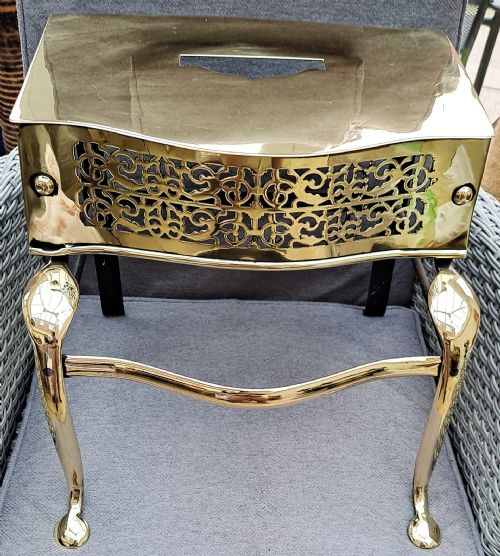
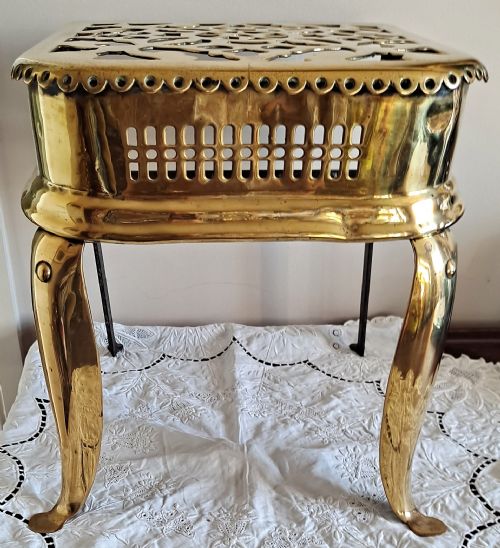
A vintage hearth kettle stand, also known as a footman or trivet, sits beside or in front of the fire to keep water hot for tea or domestic use. The pieces appearing here span the Georgian, Victorian and Edwardian eras, reaching back into the eighteenth and nineteenth centuries.
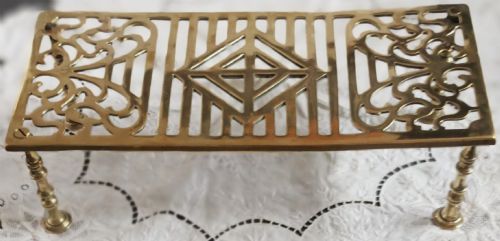
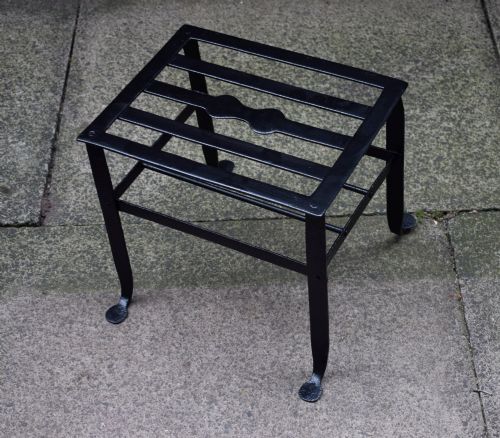
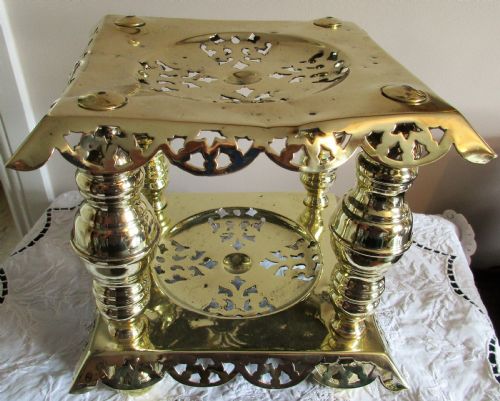
Most items on this page take the form of footmen or low stands, combining a flat top with sturdy legs designed for positioning over hot coals or hearth ashes. Forms range from simple rectangular iron frames to tiered brass designs and pear-shaped Dutch variants.
The materials reflect practical domestic metalwork, primarily featuring brass, steel, wrought iron and copper. Buyers will also encounter occasional wooden elements, such as mahogany components paired with metal frames.
How they were made
Blacksmiths and metalworkers shaped these objects using traditional forging and casting methods suited to high heat. Wrought iron and steel components were hammered and joined by hand, while brass sections often involved cast plates and bolted construction.
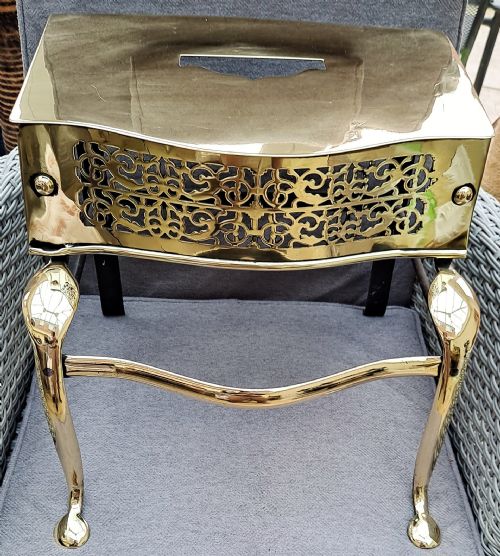
Makers utilised heavy sheet brass for tops, frequently piercing the metal with geometric or floral patterns to allow heat to circulate. Iron and steel provided the robust structural legs and frames needed to support heavy kettles over open hearths.
Vintage Hearth Kettle Stand Retail Price Guide 2026
Typical asking prices for vintage hearth kettle stand among the pieces listed under this phrase on Sellingantiques today, from the lower quarter to the upper quarter. They describe what is for sale here now, not the wider market.
Some stands are described as cat stands, named for their low, four-legged posture that resembles a resting feline waiting by the warm hearth.
What varies in quality
Quality depends heavily on the weight of the metal and the crispness of any pierced decoration on the top plate. Thicker brass and heavier wrought iron denote sturdier construction designed for actual daily service by the fire.
Design complexity also separates standard utilitarian items from finer examples, such as two-tier stands or those incorporating both brass and steel. Pierced brass work that remains sharp and clean without excessive thinning from polishing represents a higher grade of manufacture.
The Vintage Hearth Kettle Stand Glossary
- Footman
- A metal stand with legs used in front of a fireplace to hold a kettle or warm dishes. These stands typically feature a flat top and sturdy supports for hearth use.
- Trivet
- A small support with feet placed under a hot vessel to protect surfaces or hold it near heat. In hearth contexts, it serves a similar purpose to the larger footman.
- Inglenook
- A recess or alcove for a hearth, often featuring seating where these stands were historically placed. It represents the primary domestic setting for fireplace accessories.
- Wrought iron
- Iron that has been heated and hammered into shape by a smith, yielding a fibrous structure. This material provides exceptional strength for load-bearing fire irons.
Vintage Hearth Kettle Stand: Frequently Asked Questions
What is a hearth kettle stand?
A hearth kettle stand is a low metal table or trivet designed to sit near an open fire. It held kettles or pans at a convenient height for heating water in traditional kitchens and parlours.
These pieces were essential before modern plumbing and stoves brought heated water directly to taps. They made efficient use of the open fire's radiant heat.
How do I tell Georgian from Victorian pieces?
Georgian stands often feature simpler, heavier brass and steel combinations with clean lines and restrained decoration. They date from the eighteenth and early nineteenth centuries.
Victorian examples frequently display more elaborate pierced brass patterns and sometimes introduce tiered designs. The manufacturing techniques shifted as industrial methods developed through the nineteenth century.
Are brass and iron stands durable?
Brass, iron and steel are robust materials built to withstand high temperatures and heavy daily use. They tolerate heat well and resist physical wear over generations.
Routine cleaning with appropriate metal care keeps the surfaces stable. The heavy metal gauge ensures the stands remain structurally sound.