




Vintage Hat Blocking Tool
A vintage hat blocking tool shapes and stretches felt and straw, offering robust utility and industrial character for contemporary display or millinery use.
Vintage Hat Blocking Tool
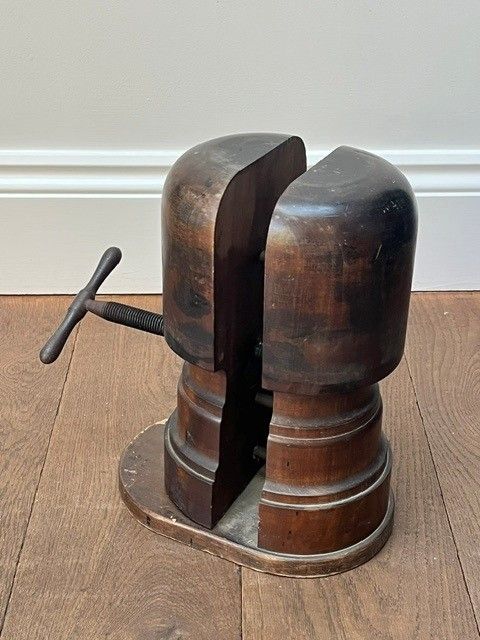
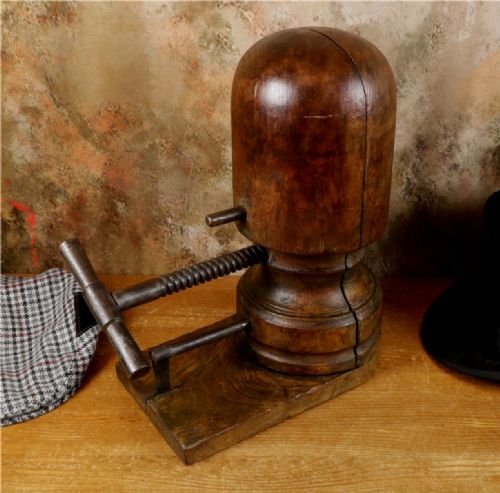
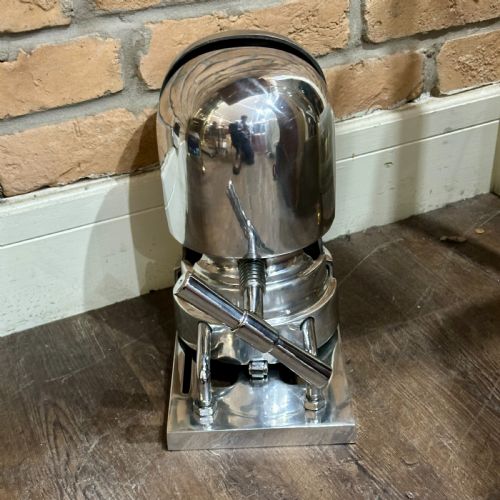
A vintage hat blocking tool encompasses millinery moulds, hat stretchers, and sizers originating from the nineteenth century through to the nineteen-thirties. You will frequently encounter wooden hat stretchers alongside French provincial fruitwood forms and industrial aluminium moulds.
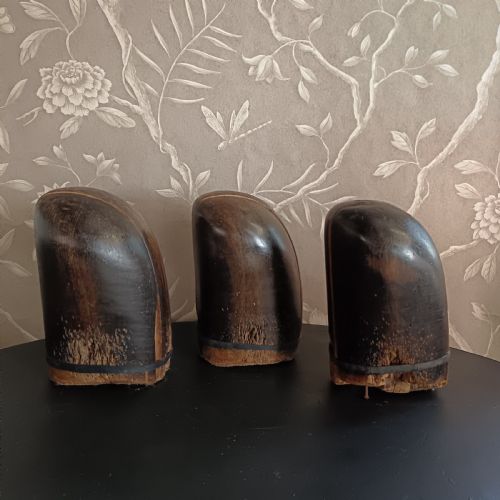
The inventory includes specialist forms such as those intended for military bearskin caps, reflecting traditional haberdashery and Victorian industrial workshops. These pieces serve equally as decorative objects and functional equipment for hat shaping.
Most examples date from the Victorian era up to the nineteen-thirties, spanning traditional wooden construction and later cast metal manufacturing techniques.
Materials and construction methods
These items rely primarily on hardwoods such as oak, walnut, and fruitwood, shaped to support traditional hat making and stretching processes. Artisans turned and carved the timber to precise anatomical dimensions required by milliners.
Later twentieth-century production introduced cast aluminium and iron, creating durable moulds designed for repetitive use in hat production. These metal elements often feature numbered stampings and mechanical expansion mechanisms.
Listings feature items spanning from the nineteenth century through the nineteen-thirties, executed in wood, aluminium, and cast iron.
Assessing quality in hat blocks
Quality rests in the precision of the form and the preservation of the material surface, whether warm fruitwood or industrial cast aluminium. Superior pieces retain crisp carved lines and smooth operational movement in stretching hardware.
Patina and evidence of working use distinguish genuine workshop survivors from later reproductions or overly sanitised examples. The integrity of the grain in wooden blocks and the clean casting of aluminium components dictate desirability.
The Vintage Hat Blocking Tool Glossary
- Hat block
- A solid form, typically carved from wood or cast in metal, used to shape a hat during manufacturing.
- Milliner
- A maker and designer of hats, historically requiring specialist blocks and stretchers for bespoke creation.
- Hat stretcher
- A mechanical tool inserted into a hat to expand or maintain its circumference.
- Millinery mould
- A hollow form, often in aluminium, used to press and set hat bodies into specific styles.
- Fruit wood
- Dense timber sourced from fruit-bearing trees, valued in French provincial pieces for its fine grain and durability.
Vintage Hat Blocking Tool: Frequently Asked Questions
What is a hat blocking tool used for?
A hat blocking tool shapes, stretches, and maintains the structure of felt, straw, and fabric hats during the manufacturing process. Milliners rely on these forms to press damp material into specific crown and brim contours.
Today, these objects function as striking decorative items for home interiors or as display stands for vintage headwear and wigs.
How do I date a wooden hat block?
Dating relies on examining the timber species, tool marks left by manufacture, and general style conventions associated with Victorian and twentieth-century workshops. French provincial fruitwood pieces often point to nineteenth-century origins.
Hardware components, numbering styles, and the presence of maker stamps or military specifications also help establish the decade of production.
Are aluminium hat blocks authentic?
Aluminium hat blocks and moulds date primarily from the early twentieth century, particularly the nineteen-twenties and nineteen-thirties, as industrial methods evolved. These metal forms were utilised for volume production in commercial millinery.
They exhibit genuine industrial characteristics, including cast numbers and utilitarian finishes developed for heavy workshop deployment.
How should I clean a vintage hat block?
Maintenance requires gentle dusting with a dry cloth to preserve the natural patina and historical surface wear accumulated in the workshop. Avoid harsh liquid cleaners that might strip the aged finish from fruitwood, oak, or walnut.
Metal components benefit from light cleaning to remove surface dust while retaining the original industrial character and operational markings.