


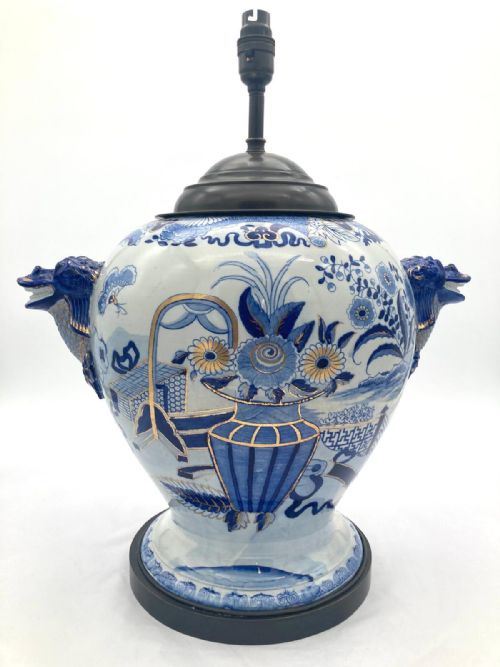
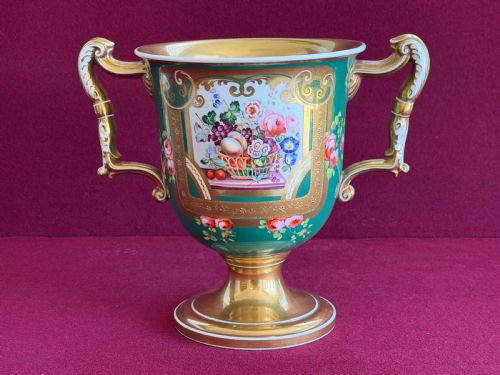
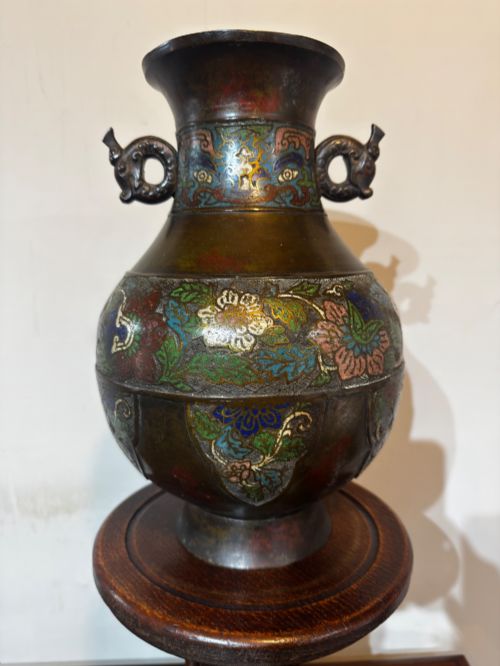


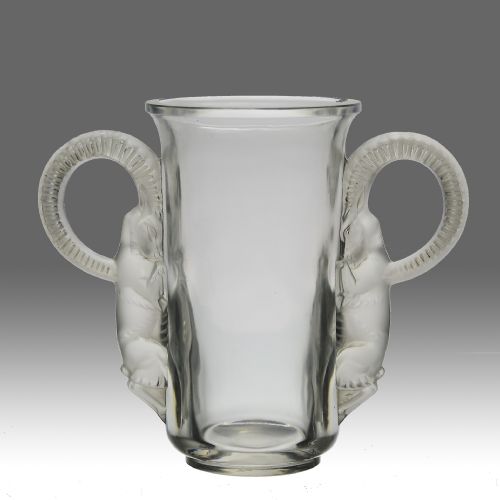
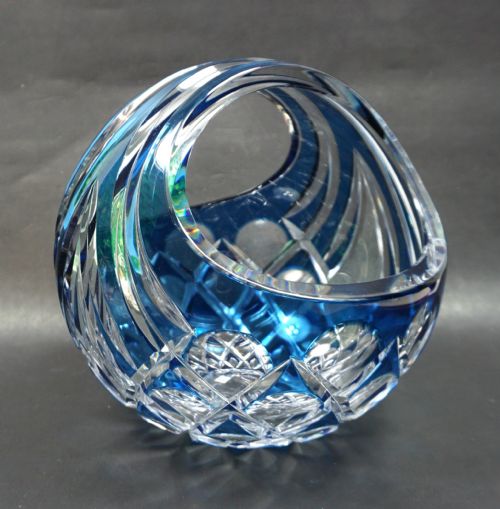
Vintage Handle Vase
A vintage handle vase brings sculptural form and period detail to a room, ranging from delicate porcelain to robust bronze.
Vintage Handle Vase
When searching for a vintage handle vase, buyers encounter vessels shaped for display, floral arrangement or lighting.
The selection includes porcelain, earthenware and bronze pieces originating across the nineteenth and early twentieth centuries.
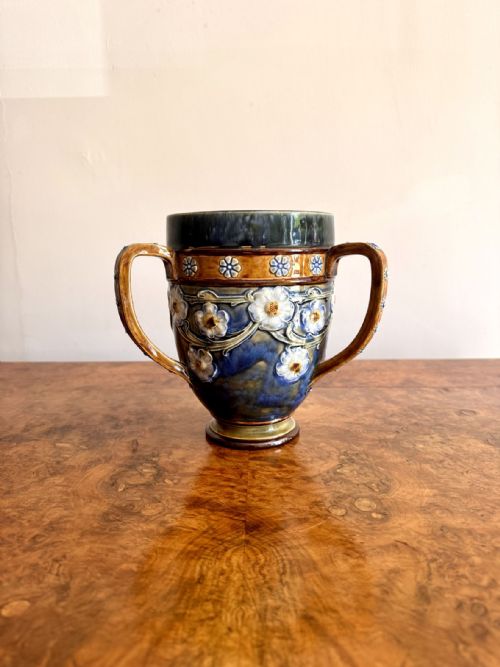
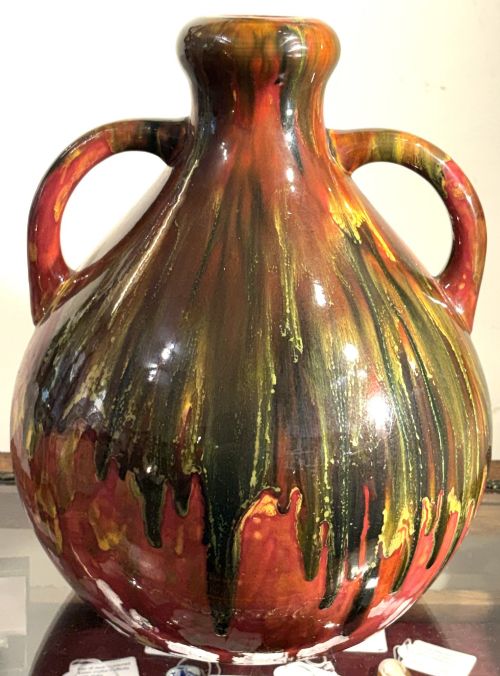
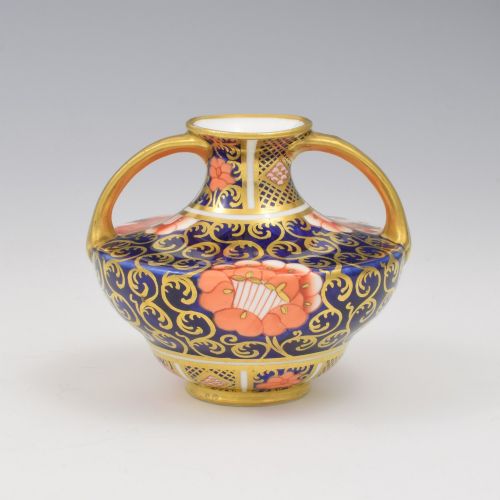
Twin handled shapes, ewers and urns appear alongside converted lamp bases from Victorian, Edwardian and Art Deco periods.
Materials and technique
Ceramic pieces utilise porcelain, earthenware and ironstone, often finished with hand-painted decoration, glazes or raised enamel.
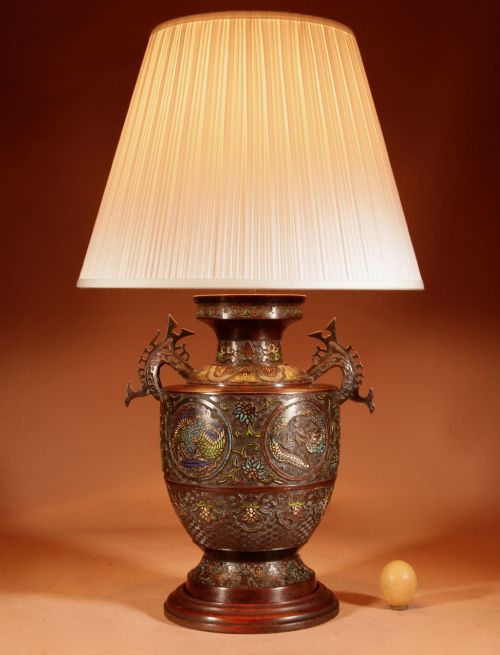
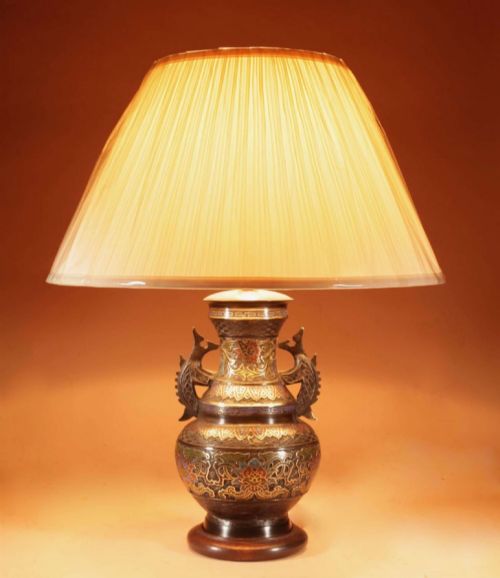
Metal vessels combine bronze, brass and silver, frequently incorporating champlevé or cloisonné enamel work.
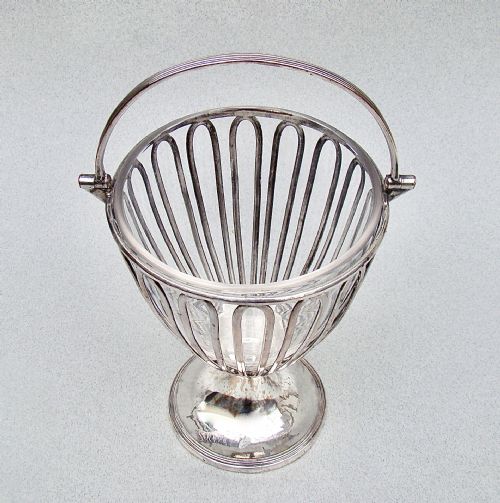
Glass creations deploy clear or coloured crystal, while certain baskets utilise natural bamboo and plant fibres.
Vintage Handle Vase Retail Price Guide 2026
Typical asking prices for vintage handle vase among the pieces listed under this phrase on Sellingantiques today, from the lower quarter to the upper quarter. They describe what is for sale here now, not the wider market.
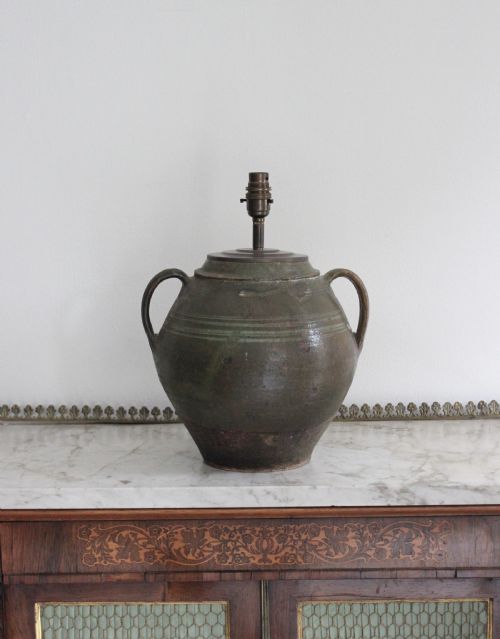
Several vases earned a second career by having their centres drilled to hold lamp bulbs.
Factors of quality
The standard of hand-painted decoration separates standard production from finer studio or factory output.
Precision in metalwork chasing, enamel setting and surface finishing dictates the distinction between ordinary and accomplished examples.
Royal Doulton·Royal Crown Derby·H and R Daniel·Brannam·René Lalique·Royal Worcester·Samson Paris·Coalport·Joseph Rodgers and Sons
The Vintage Handle Vase Glossary
- Ewer
- A large jug with a wide spout and a shaped handle, frequently utilised as a decorative vase or urn in Victorian interiors.
- Champlevé
- An enamelling technique where trenches are gouged into a bronze or metal surface and filled with coloured vitreous paste before firing.
- Cloisonné
- A method of decorating metal objects where thin wires form compartments that hold enamel powder prior to heating.
- Loving cup
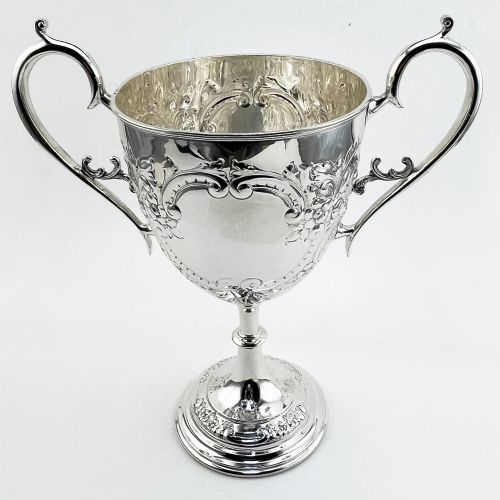
- A large ceramic or silver drinking vessel equipped with two or three handles, commonly produced by prominent potteries.
Vintage Handle Vase: Frequently Asked Questions
How were twin handled vases originally used?
These vessels served primarily as decorative table centerpieces, mantel ornaments or receptacles for floral displays in period homes.
Larger examples occasionally functioned as ewers or were later adapted to hold electrical fittings for lighting.
How do I identify a Victorian piece?
Victorian items often display hand-painted floral motifs, heavy gilding or robust earthenware bodies characteristic of nineteenth-century manufacturing.
Stylistic cues draw heavily upon revivalism, classical urn shapes and ornate naturalistic handles.
What is the difference between porcelain and earthenware?
Porcelain is fired at higher temperatures to produce a dense, vitrified body that often rings when struck and allows for delicate painted details.
Earthenware is more porous and opaque, providing a heavier base frequently finished with thick coloured glazes.
How should I clean a bronze enamel vase?
Dust metal and enamel surfaces gently with a dry, soft cloth to prevent accumulation without disturbing the patina.
Avoid chemical polishes or water immersion, which can damage delicate champlevé or cloisonné enamel work.