









Vintage Handcrafted Rug
A vintage handcrafted rug brings texture and history to a room through traditional weaving methods and regional designs.
Vintage Handcrafted Rug
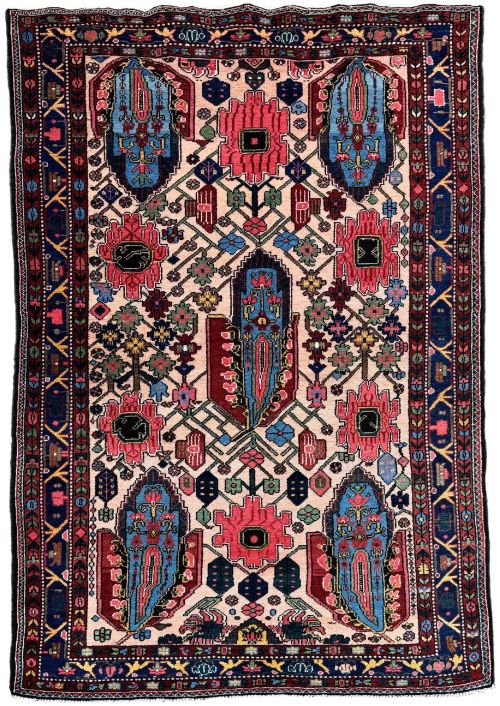
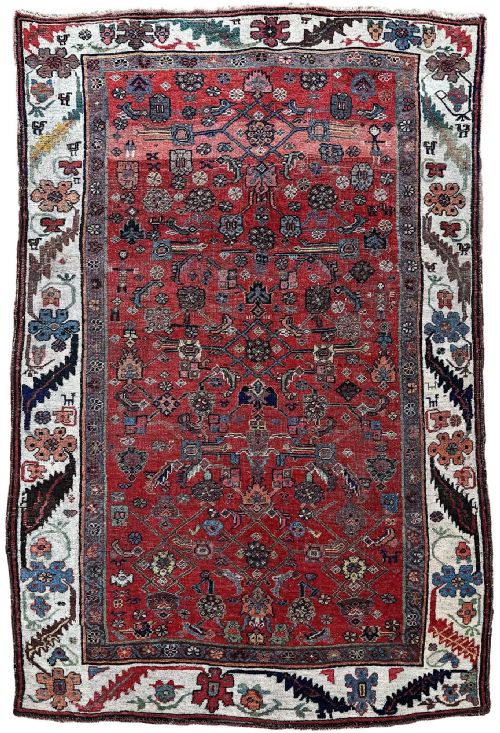
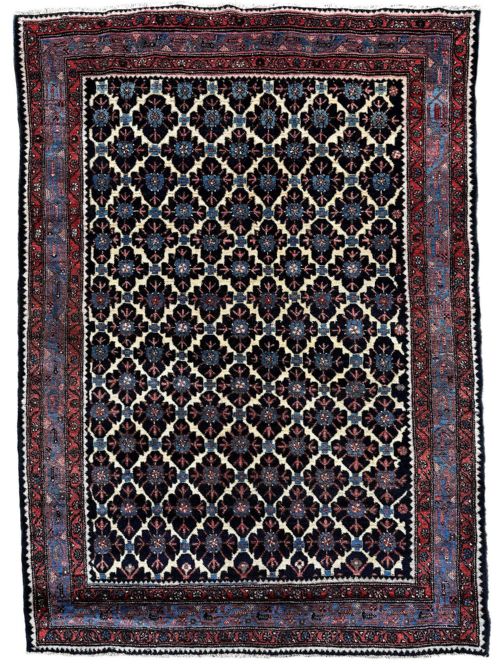
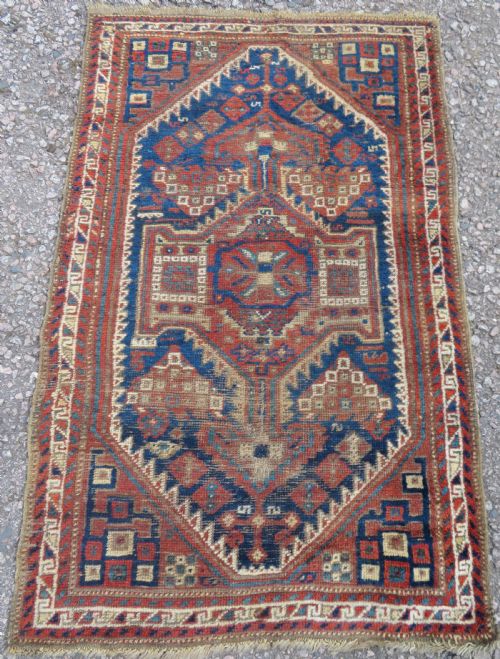
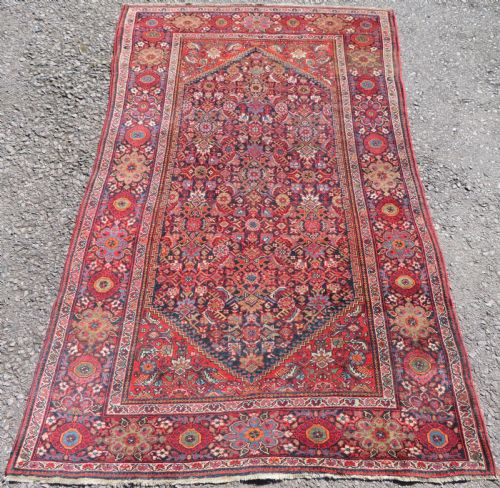
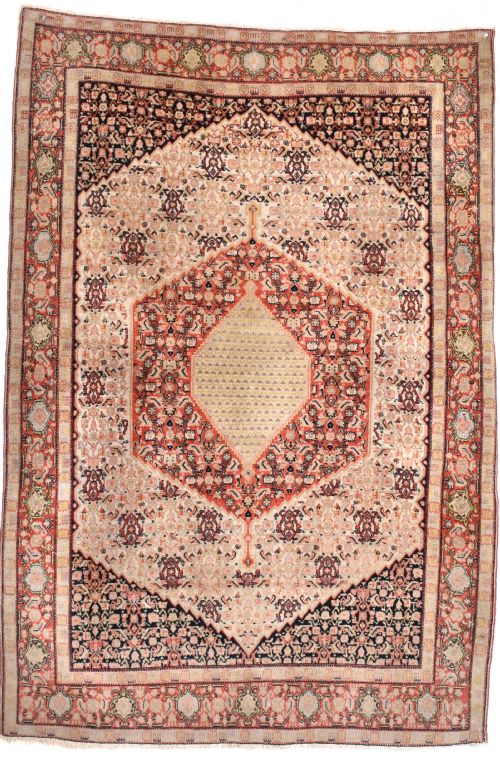
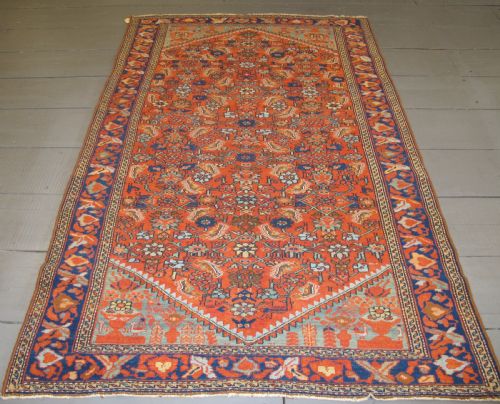
Every vintage handcrafted rug on this page represents centuries of textile traditions from Persia, Central Asia, and surrounding regions. Buyers searching for a vintage handcrafted rug encounter floor coverings, wall hangings, and functional trappings created by tribal and village weavers.
The selections span distinct periods from the late nineteenth century through the mid-twentieth century. Most examples you meet here originate from established weaving centres like Bidjar, Malayer, and Tabriz, alongside nomadic pieces from Afghan and Uzbek groups.
Forms vary from standard area rugs and runners to specialised items such as kilims, soumaks, and embroidered Suzanis. Each piece reflects the specific cultural motifs and knotting techniques of its geographic origin.
Materials and construction methods
Weavers constructed these textiles primarily using wool, cotton, and occasionally silk foundations, paired with natural dyes derived from plants and minerals. Glass beads also appear in specific tribal trappings for added ornamentation.
Techniques range from pile knotting to flatweaving methods like kilim and soumak construction, alongside needlepoint and chain stitch embroidery. These diverse methods dictate the weight, texture, and structural rigidity of each finished textile.
Vintage Handcrafted Rug Retail Price Guide 2026
Typical asking prices for vintage handcrafted rug among the pieces listed under this phrase on Sellingantiques today, from the lower quarter to the upper quarter. They describe what is for sale here now, not the wider market.
The listings demonstrate a strong representation of Persian and Central Asian textile traditions dating from the late nineteenth to the mid-twentieth century, utilising wool, cotton, and natural dyes.
Distinctions in execution and material
Quality in these textiles rests upon the density of the weave, the precision of the design execution, and the stability of the foundational materials. Tighter knotting and finer wool yield greater durability and sharper graphic detail.
The depth and complexity of the natural dye palette also distinguish finer examples from standard production. Artisans who achieved subtle tonal variations and harmonious colour combinations elevated the artistic merit of the finished carpet.
The Vintage Handcrafted Rug Glossary
- Kilim
- A flatwoven textile produced without a pile, often featuring geometric patterns and sharp colour transitions. These versatile pieces function well as lightweight floor coverings or wall displays.
- Soumak
- A flatweaving technique that wraps supplementary weft threads around the warp to create a textured, durable surface. This method results in a sturdier structure resembling embroidered work on the reverse.
- Soumak
- A flatweaving technique that wraps supplementary weft threads around the warp to create a textured, durable surface. This method results in a sturdier structure resembling embroidered work on the reverse.
- Suzani
- A large, embroidered tribal textile originating from Central Asia, typically worked in silk or wool on a cotton ground. These decorative hangings display bold botanical motifs and symbolic designs.
- Herati
- A repeating floral and lattice design featuring a central rosette enclosed by curved leaves, frequently seen in Persian carpet production. This classic pattern creates an all-over texture across the field of the rug.
Vintage Handcrafted Rug: Frequently Asked Questions
How do I clean a vintage rug?
Regular gentle vacuuming without a rotating brush roll removes surface dust and grit from the wool pile. Professional specialist cleaning remains essential for deep washing to preserve natural dyes and textile integrity.
Avoid household chemical treatments or excessive water immersion, which can damage cotton foundations and cause dye bleeding. Addressing spills immediately by blotting with a clean cloth prevents permanent staining.
Can these rugs go in high traffic areas?
Sturdier pile carpets and flatweaves constructed with dense wool tolerate moderate foot traffic in hallways and living spaces. Placing a quality underlay beneath the textile prevents slipping and reduces fibre friction against hard floors.
Delicate embroidered pieces or fine silk textiles suit low-traffic locations or wall display rather than busy corridors. Assessing the foundation strength helps determine the appropriate placement in a home.
Are natural dyes easy to spot?
Natural dyes produced from plants and minerals display subtle abrash, which is a gentle tonal variation within a single colour field. These organic colorants age gracefully, developing softer patinas over decades of light exposure.
Synthetic dyes introduced later sometimes present a more uniform, flat hue across the entire wool pile. Examining the individual yarn strands closely reveals the nuanced shifts characteristic of traditional dyeing methods.